SK Hynix to Embed Over 100 Specialized Processors in Future SSD Controllers Ahead of PCIe 8.0 Rollout
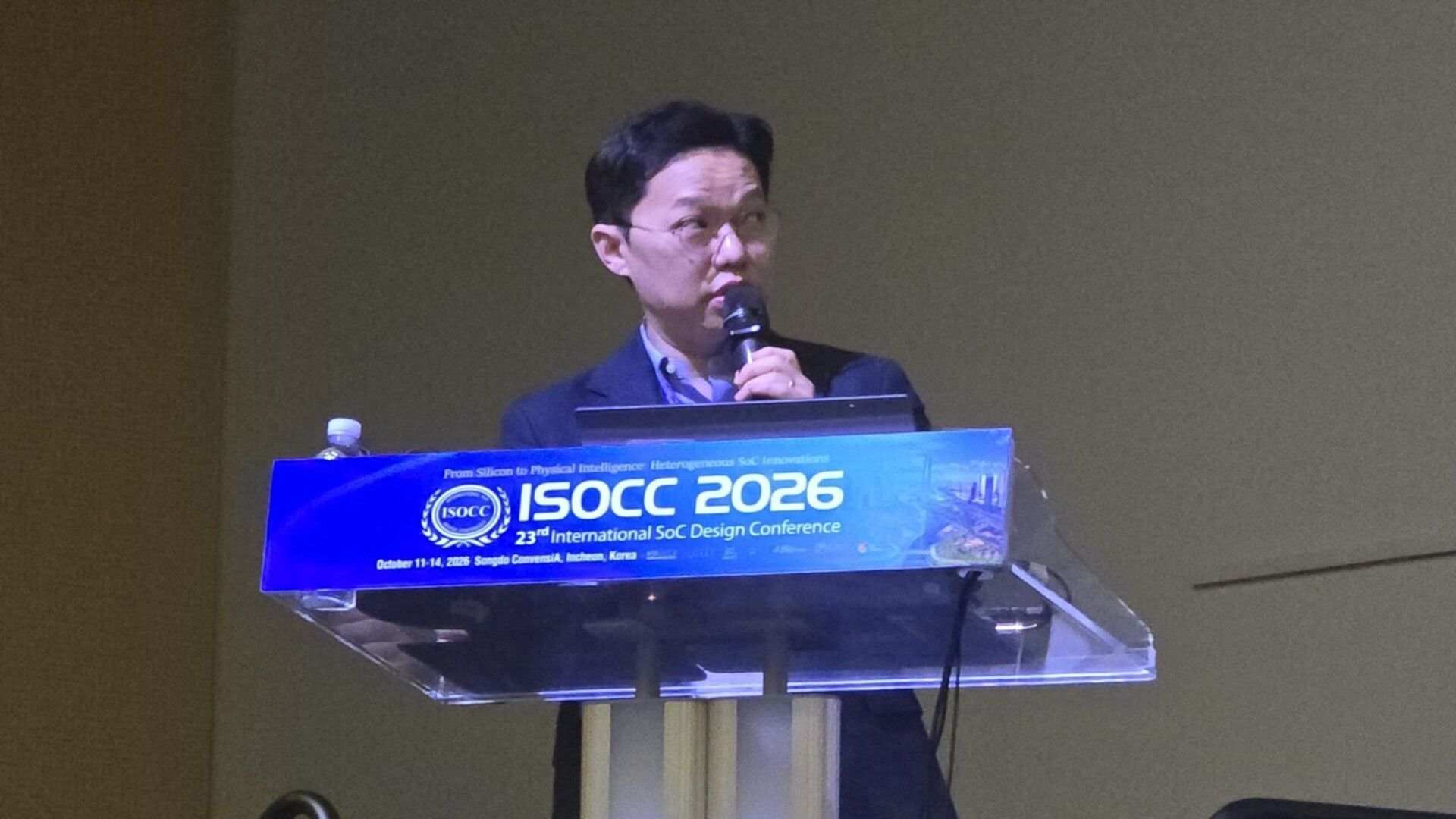
South Korean memory maker SK Hynix announced plans to integrate more than one hundred dedicated processing units into the controllers of its next‑generation solid‑state drives, a move aimed at preparing the industry for the upcoming PCIe 8.0 standard and the surge of high‑bandwidth flash storage.
The custom units, dubbed H‑TPUs, are engineered to handle specific storage‑related tasks while consuming only about 2.5 percent of the power that a conventional CPU core would require for the same workload. Because each H‑TPU occupies roughly four percent of the silicon area of a general‑purpose core, the design allows a large number of them to be packed onto a single controller without inflating die size.
By distributing this dense array of specialized chips across the controller, SK Hynix expects to offload much of the data‑movement and error‑correction work that traditionally falls to the host processor. The resulting efficiency gains could be especially valuable for data‑center servers and enterprise systems that will soon need to move terabytes of data per second as PCIe 8.0 doubles the bandwidth of its predecessor.
The initiative comes as Samsung, SK Hynix’s chief rival in the NAND market, ramps up its own high‑performance SSD offerings. Industry analysts view the race to embed dedicated logic as a natural evolution, given that flash memory densities are climbing while power budgets remain tight. The ability to process tasks locally within the SSD controller also reduces latency, a critical factor for applications such as artificial intelligence inference and real‑time analytics.
SK Hynix has not disclosed a specific timeline for the first products featuring the H‑TPU‑rich controllers, but the company indicated that development is already underway and that the technology will be ready for the PCIe 8.0 rollout expected later this decade. If successful, the approach could set a new benchmark for SSD architecture, prompting other manufacturers to adopt similar multi‑processor designs to stay competitive in a market increasingly defined by speed, efficiency, and the need to handle ever‑larger flash capacities.


Comments (0)
Be the first to comment.
Join the discussion