Ryanair Urges Delay for New EU Border System Amid Summer Travel Chaos Fears
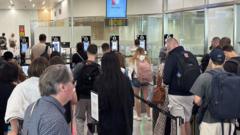
Irish low-cost carrier Ryanair has issued a stark warning regarding potential widespread travel disruption across Europe, urging governments to postpone the implementation of a new European Union border control system. The airline specifically called for the Entry/Exit System (EES) to be delayed until after the busy summer holiday period, citing concerns about significant queue chaos at border crossings.
The alarm raised by Ryanair focuses on the anticipated operational challenges posed by the EES, an automated IT system designed to register non-EU citizens each time they cross an EU external border. While the system aims to streamline border checks and enhance security, the airline fears its rollout could lead to substantial delays and congestion, particularly at major airports and ports during peak travel times.
The Entry/Exit System is intended to replace the current manual stamping of passports for non-EU travelers, digitally recording their entry and exit dates. This change is part of a broader effort to modernize border management, improve security by flagging overstayers, and better track individuals entering and leaving the Schengen area. However, the introduction of new technology on such a large scale often presents initial hurdles.
Ryanair's plea underscores a common concern within the travel industry: the potential for new, untested systems to create bottlenecks and frustration for passengers. With millions of tourists expected to travel across Europe during the summer months, any technical glitches or slow processing times could quickly escalate into lengthy queues and missed connections, impacting travel plans and the overall holiday experience.
As a major airline operating numerous routes across the continent, Ryanair has a vested interest in ensuring smooth and efficient border processes. Disruptions at borders directly affect their flight schedules, turnaround times, and customer satisfaction, making their intervention a clear signal of serious apprehension within the aviation sector regarding the EES's readiness.
The EU's ambition for the EES is to bolster border security and efficiency, providing a more reliable record of non-EU citizens' movements. While the long-term benefits are clear, the immediate challenge lies in ensuring a seamless transition that avoids the very 'chaos' that critics like Ryanair are predicting, especially given the complexities of coordinating implementation across multiple member states.
European governments and the EU Commission now face a dilemma: balance the desire to proceed with enhanced border controls against the warnings from key industry players about potential disruption to the vital summer tourism season. A decision to delay would offer more time for testing and training, potentially mitigating the risks, but would also push back a system designed to improve security.
The outcome of this call for postponement will be closely watched by airlines, travel operators, and millions of prospective travelers. It highlights the ongoing tension between implementing robust security measures and maintaining the fluid movement of people that is crucial for tourism and economic activity within the European Union.


Comments (0)
Be the first to comment.
Join the discussion