Russian Military Satellite Flies Close to Ukrainian‑Linked Imaging Satellite, Orbital Tracker Says
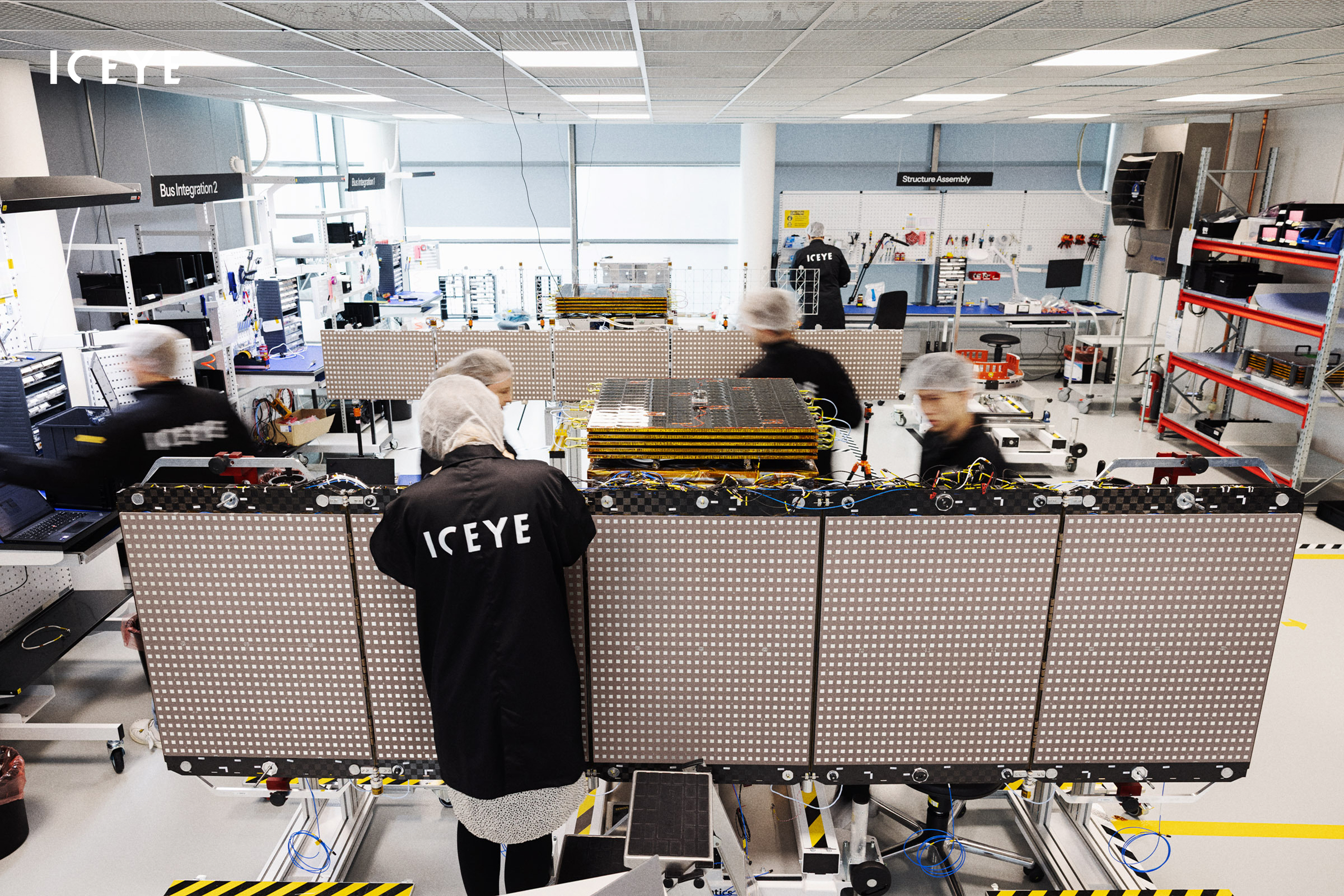
A Russian military satellite reportedly maneuvered within a few hundred metres of a commercial Earth‑imaging platform that provides data to Ukraine, marking the first documented unsanctioned rendezvous in low‑Earth orbit, according to U.S.‑based orbital‑intelligence firm LeoLabs.
LeoLabs said the Russian craft, identified as part of the long‑running Kosmos series, altered its orbit over several days to pass directly alongside the imaging satellite. The firm described the proximity as "extreme," noting that such a close approach is rare outside of coordinated docking or debris‑avoidance operations.
The episode raises concerns about the growing militarisation of space. While the two objects did not collide, the deliberate close‑quarter manoeuvre could be interpreted as a test of capability to disrupt or intimidate civilian satellites that support intelligence, navigation or commercial services. Analysts warn that such tactics, if repeated, could increase the risk of accidental collisions that would generate hazardous debris.
Ukraine relies heavily on commercial satellite imagery for battlefield assessments, infrastructure monitoring and humanitarian planning. Russian officials have previously accused Kyiv of using foreign‑owned space assets to gather intelligence, and the recent maneuver may be an extension of that narrative into the orbital domain. The incident occurs amid heightened tensions following Russia’s invasion of Ukraine and a broader pattern of accusations about cyber and electronic interference.
International observers, including the United Nations Office for Outer Space Affairs, have called for clearer norms governing the behaviour of state‑run spacecraft in shared orbital regions. While no official protest has been lodged yet, the episode is likely to prompt diplomatic discussions about safeguarding civilian satellites and preventing the weaponisation of space in future conflicts.



Comments (0)
Be the first to comment.
Join the discussion