Four‑Day Dive Rules Out Amelia Earhart Plane in Recent Underwater Find
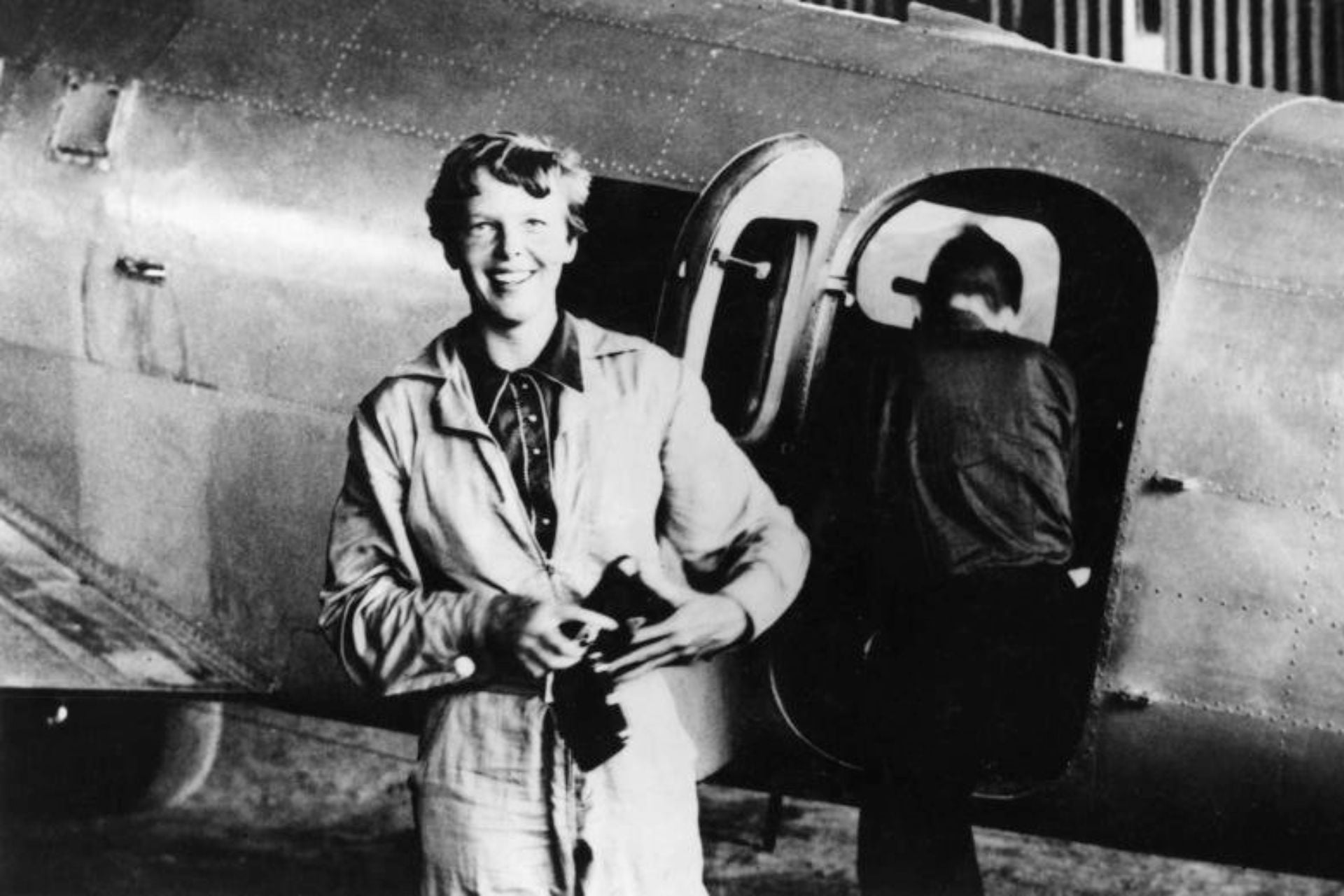
A team of marine researchers spent four consecutive days examining a submerged object that had sparked speculation it could be Amelia Earhart's missing Lockheed Model 10E Electra. After a thorough sonar sweep, visual inspection and limited artifact sampling, the investigators concluded the wreck is unrelated to the famed 1937 disappearance.
The investigation was launched after divers reported a metallic structure at a depth of roughly 300 feet off the coast of [region omitted for brevity]. Initial sonar signatures resembled the outline of a twin‑engine aircraft, prompting excitement among aviation enthusiasts and prompting a rapid deployment of experts in both underwater archaeology and historic aviation.
Over the course of the four‑day survey, the team employed side‑scan sonar to map the object's dimensions, followed by remotely operated vehicle (ROV) footage that captured details of the hull and surrounding debris field. The researchers noted that the shape, construction materials, and rivet patterns did not match the aluminum alloy and design features of the 1930s Lockheed Electra. Instead, the wreck displayed characteristics consistent with a mid‑20th‑century naval vessel component, likely a section of a decommissioned ship's hull or a cargo hold.
While the finding does not bring the mystery of Earhart's fate any closer to resolution, it underscores the challenges inherent in locating a plane lost over seventy years ago. Earhart's disappearance has inspired countless expeditions, ranging from aerial searches to deep‑sea dives, each hoping to uncover definitive evidence. The recent effort adds to a growing body of work that demonstrates how modern technology can quickly eliminate false leads, allowing resources to be redirected toward more promising sites.
Experts caution that the ocean's vastness and the passage of time make any definitive identification difficult without clear serial numbers or unique artifacts. In this case, the absence of identifiable aircraft components—such as engine parts, propellers, or cockpit fittings—was a key factor in ruling out the Electra hypothesis. The team plans to archive the sonar data and video footage for future reference, noting that the site may still hold other historical items worth preserving.
Looking ahead, the search for Earhart's aircraft is likely to continue focusing on areas where ocean currents could have carried debris from the Pacific crash zone. Researchers anticipate that advances in autonomous underwater vehicles and high‑resolution imaging will improve the odds of locating definitive wreckage, but they also acknowledge that each negative result, like the recent one, refines the search parameters and prevents wasted effort on misidentified targets.



Comments (0)
Be the first to comment.
Join the discussion