Singapore Engineers Unveil Sail‑Like Drone That Spins Toward the Sea
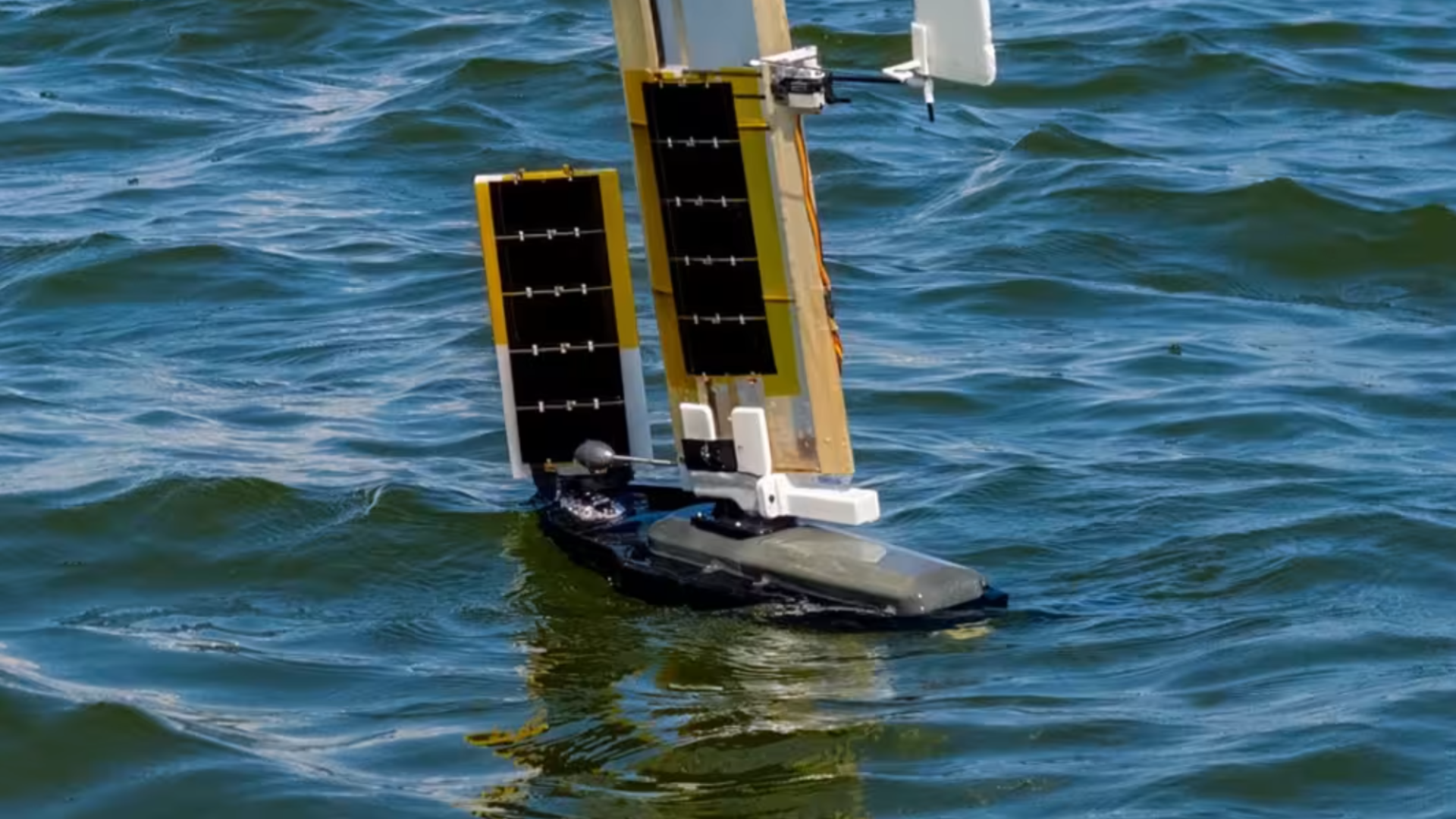
A team of seven engineers at a Singapore university has demonstrated a new type of unmanned aerial vehicle that descends to the ocean by spinning, rather than using conventional propulsion or parachutes.
The prototype, dubbed ALBATROSS, weighs about 1.1 kilograms and can be released from an aircraft without any onboard motors or power‑intake systems. Its design relies on a rotating descent mechanism that creates aerodynamic drag, slowing the vehicle before it reaches the water surface.
During testing, the drone unfurled a set of wing‑like surfaces that began to spin as it fell, generating a controlled, spiral‑like trajectory. This rotation reduces the vertical speed, allowing the craft to touch down gently on the sea, where it can float or sink depending on its payload.
Such a lightweight, power‑free approach addresses a long‑standing challenge in maritime data collection. Traditional ocean‑borne sensors often require rockets, parachutes, or battery‑driven drones, each adding cost, complexity, or limited range. By eliminating the need for active flight hardware, ALBATROSS promises a cheaper and more energy‑efficient way to deliver instruments to remote marine locations.
Potential applications include deploying environmental monitoring kits, supporting search‑and‑rescue missions, and providing a platform for low‑cost maritime surveillance. The ability to launch multiple units from a single aircraft could enable rapid, wide‑area coverage without the logistical burden of refueling or retrieving each device.
The engineers plan to refine the spinning descent system, integrate sensor suites, and conduct longer‑duration sea trials. If successful, the technology could attract interest from research institutions and commercial firms looking for scalable, low‑impact solutions for oceanic operations.



Comments (0)
Be the first to comment.
Join the discussion