Regular Maintenance Boosts Solar Output, But Cost‑Benefit Must Be Weighed
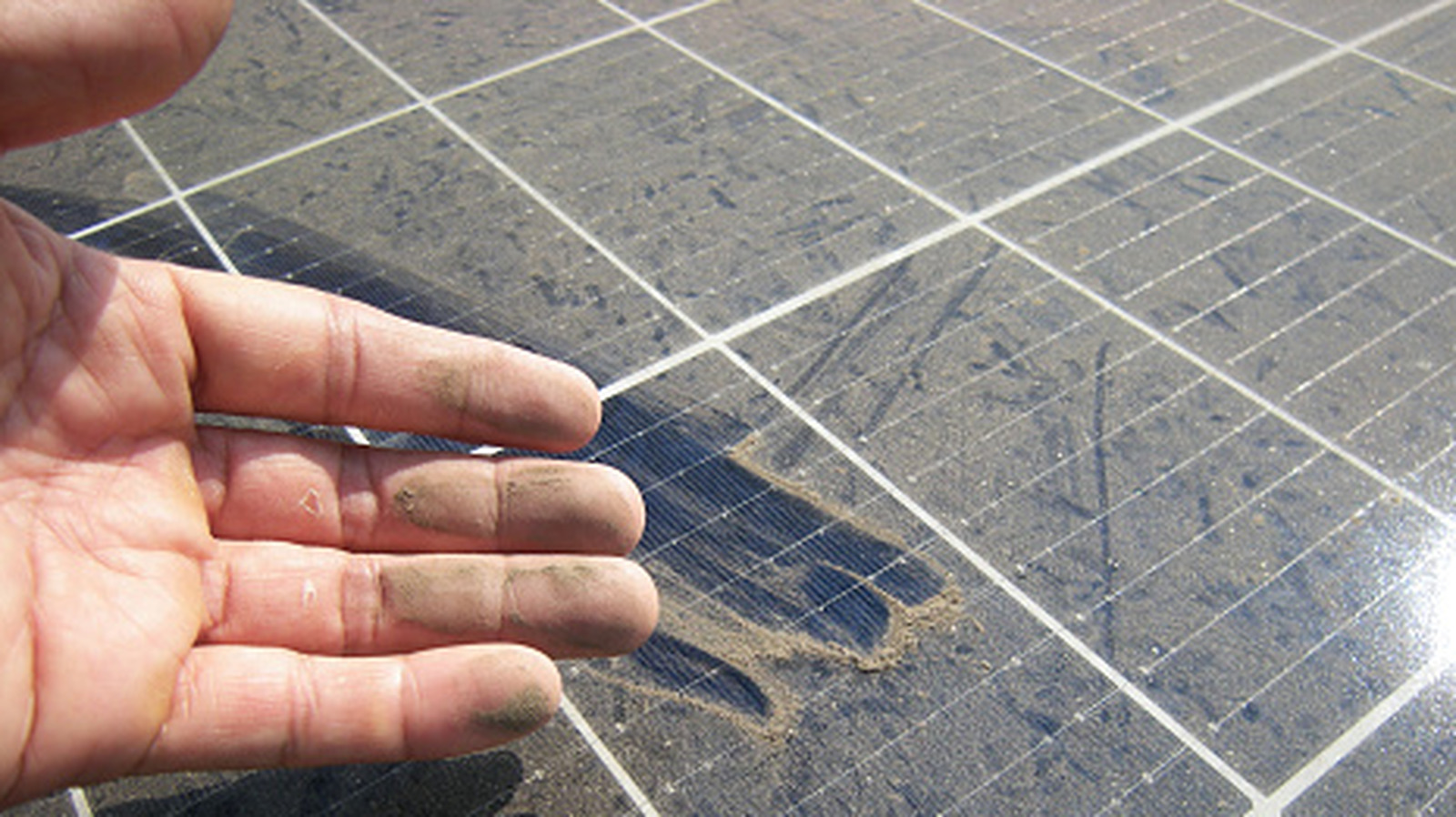
Homeowners and business operators with rooftop photovoltaic systems are being reminded that regular cleaning can restore lost power, yet the financial payoff hinges on the degree of soiling and local utility rates.
Dust, pollen, bird droppings and other debris settle on panel surfaces, forming a thin film that scatters sunlight and reduces the amount of energy converted to electricity. While manufacturers design panels to tolerate some accumulation, prolonged neglect can shrink output by a noticeable margin, especially in arid or heavily polluted regions.
Experts advise that the decision to clean should start with a simple performance check. If a system’s production data shows a consistent dip relative to its historical baseline, a cleaning cycle may be justified. Conversely, in areas where rainfall naturally rinses panels several times a month, the incremental gain from manual washing may not offset labor and water costs.
When cleaning is deemed worthwhile, safety and efficiency are paramount. The recommended approach involves using a soft brush or a non‑abrasive sponge with lukewarm water, avoiding harsh chemicals that could damage the anti‑reflective coating. Many installers also suggest cleaning during cooler parts of the day to prevent rapid evaporation, which can leave streaks that further impede light absorption.
Beyond the immediate energy boost, maintaining clean panels can extend their operational lifespan. Accumulated grime can trap moisture against the glass, fostering micro‑cracks over time. Regular upkeep therefore supports both performance and durability, reducing the likelihood of costly repairs or premature replacement.
Looking ahead, industry analysts note that emerging self‑cleaning coatings and automated cleaning robots may shift the cost‑benefit calculus. Until such technologies become widely affordable, owners should monitor output, assess local weather patterns, and schedule cleanings only when the anticipated energy recovery outweighs the expense of the task.


Comments (0)
Be the first to comment.
Join the discussion