Prototype Camera Adds Built‑In Cryptographic Signature to Fight Deep‑Fake Images
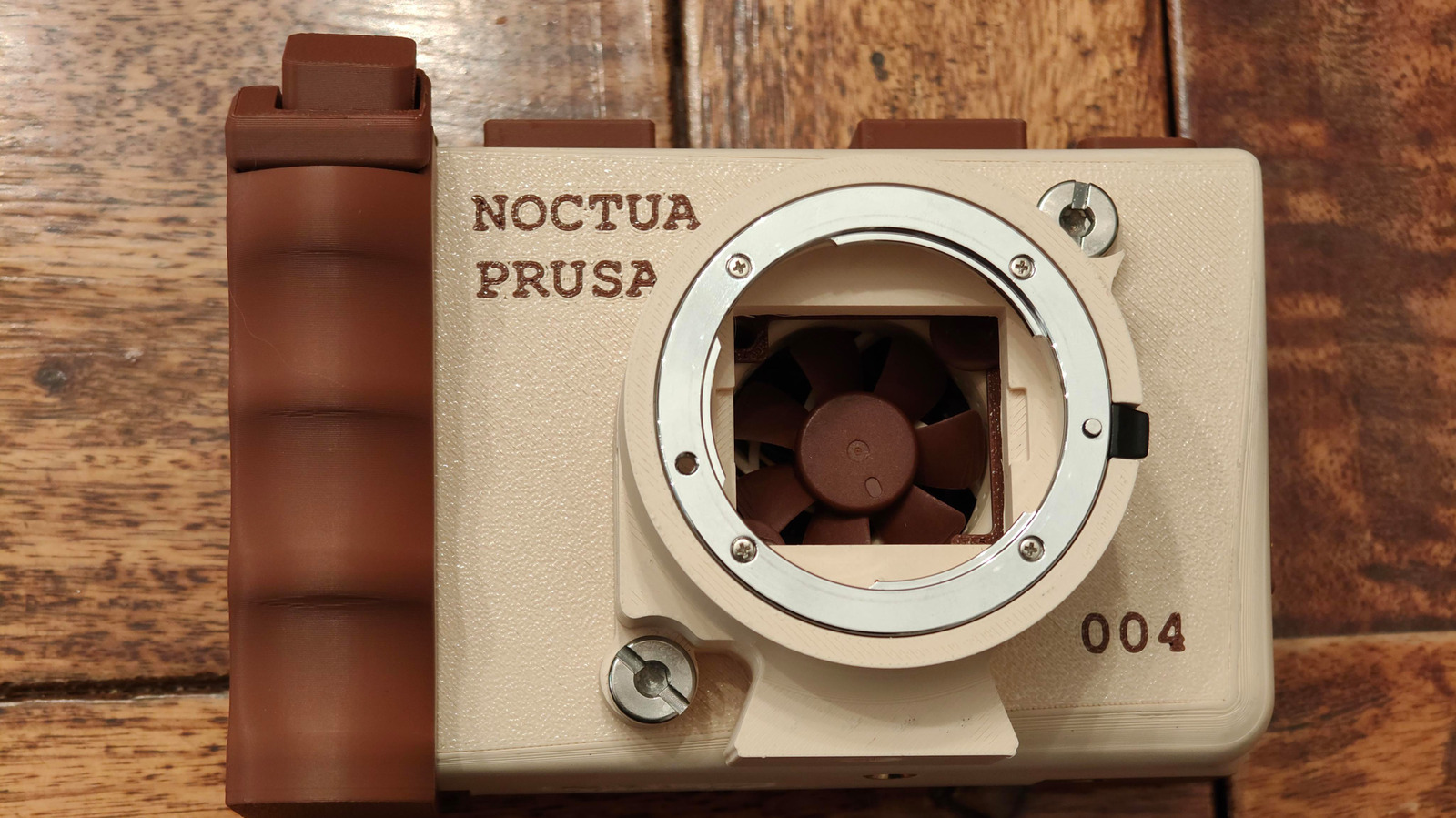
A new prototype camera is being tested that automatically attaches a cryptographic proof of origin to every picture it snaps, offering a hardware‑level answer to the growing flood of AI‑generated deep‑fake photos.
As synthetic media tools become more accessible, the line between authentic photography and computer‑crafted imagery is blurring, prompting concerns in journalism, law enforcement and the public sphere. The ability to verify that a visual file truly came from a specific device could help restore confidence in visual evidence that has been increasingly called into question.
The device embeds a unique digital signature directly into the image file’s metadata. At the moment a shutter is pressed, a secure chip inside the camera generates a hash of the raw data and encrypts it with a private key that is permanently bound to the camera’s silicon fingerprint. The resulting cryptographic tag can later be checked against a corresponding public key, proving that the file originated from that exact piece of hardware and has not been altered.
Developers say the process happens in real time and does not require an internet connection, because the verification keys can be distributed offline or through trusted platforms. Third‑party apps and web services could read the embedded tag, display a verification badge, or even reject images that lack a valid signature, creating a chain of trust that starts at the moment of capture.
Potential adopters include newsrooms that need to prove the provenance of photographs under legal scrutiny, courts that rely on visual evidence, and social‑media platforms seeking automated tools to flag unverified content. By providing a tamper‑evident record at the source, the camera could become a practical countermeasure to the “deep‑fake arms race” that has seen AI models generate increasingly convincing counterfeit imagery.
Challenges remain before the concept can move beyond the lab. Industry standards for embedding and reading cryptographic tags are still nascent, and widespread adoption will depend on manufacturers agreeing on interoperable formats. Privacy advocates also warn that a permanent hardware identifier could be misused for tracking if not carefully managed. The prototype’s creators plan to open the design to peer review and explore partnerships with standards bodies to address these concerns while refining the technology for commercial release.



Comments (0)
Be the first to comment.
Join the discussion