Eastern U.S. Braces for Potentially Dangerous Heatwave with Stifling Overnight Temperatures
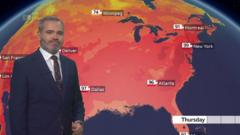
A significant heatwave is developing across the eastern United States, poised to deliver a combination of intense daytime temperatures, oppressive humidity, and unusually warm overnight conditions. This meteorological event is being characterized as potentially dangerous, prompting concerns for public health and safety across the affected region.
The primary concern stems from the triple threat of high heat, high humidity, and a lack of nocturnal relief. Humidity makes the air feel hotter than the thermometer reads, hindering the body's ability to cool itself through sweat evaporation. When overnight temperatures remain elevated, the body gets little opportunity to recover from the day's heat, exacerbating the risk of heat-related illnesses such as heat exhaustion and heatstroke. Vulnerable populations, including the elderly, young children, and individuals with pre-existing health conditions, are particularly susceptible.
From major metropolitan areas to rural communities, the widespread nature of this heatwave across the eastern U.S. means a substantial number of residents could be impacted. Such conditions often place considerable strain on infrastructure, particularly power grids, as demand for air conditioning surges. Local authorities and emergency services typically prepare for increased calls related to heat stress and potential power outages during these periods.
While heatwaves are a recurring summer phenomenon, the intensity and duration of such events are a growing focus for meteorologists and climate scientists. The "potentially dangerous" classification underscores the need for vigilance and proactive measures from both individuals and public health agencies. Understanding the specific risks posed by the combination of persistent heat and high humidity is crucial for effective mitigation.
Experts advise residents in the affected areas to take precautions. Staying hydrated by drinking plenty of water, even when not feeling thirsty, is paramount. Seeking shelter in air-conditioned environments during the hottest parts of the day, wearing lightweight and light-colored clothing, and avoiding strenuous outdoor activities are also recommended. It is also important to check on neighbors, especially those who may be elderly or isolated, to ensure their well-being.
As the heatwave takes hold, monitoring local weather forecasts and heeding any official advisories or warnings from public health authorities will be essential. Meteorological reporting, such as that provided by BBC Science, highlights the evolving nature of this significant weather pattern. Communities and individuals are encouraged to prepare adequately for the challenging conditions expected in the coming days.


Comments (0)
Be the first to comment.
Join the discussion