Portable Solar Chargers Gain Traction as Outdoor Power Solution
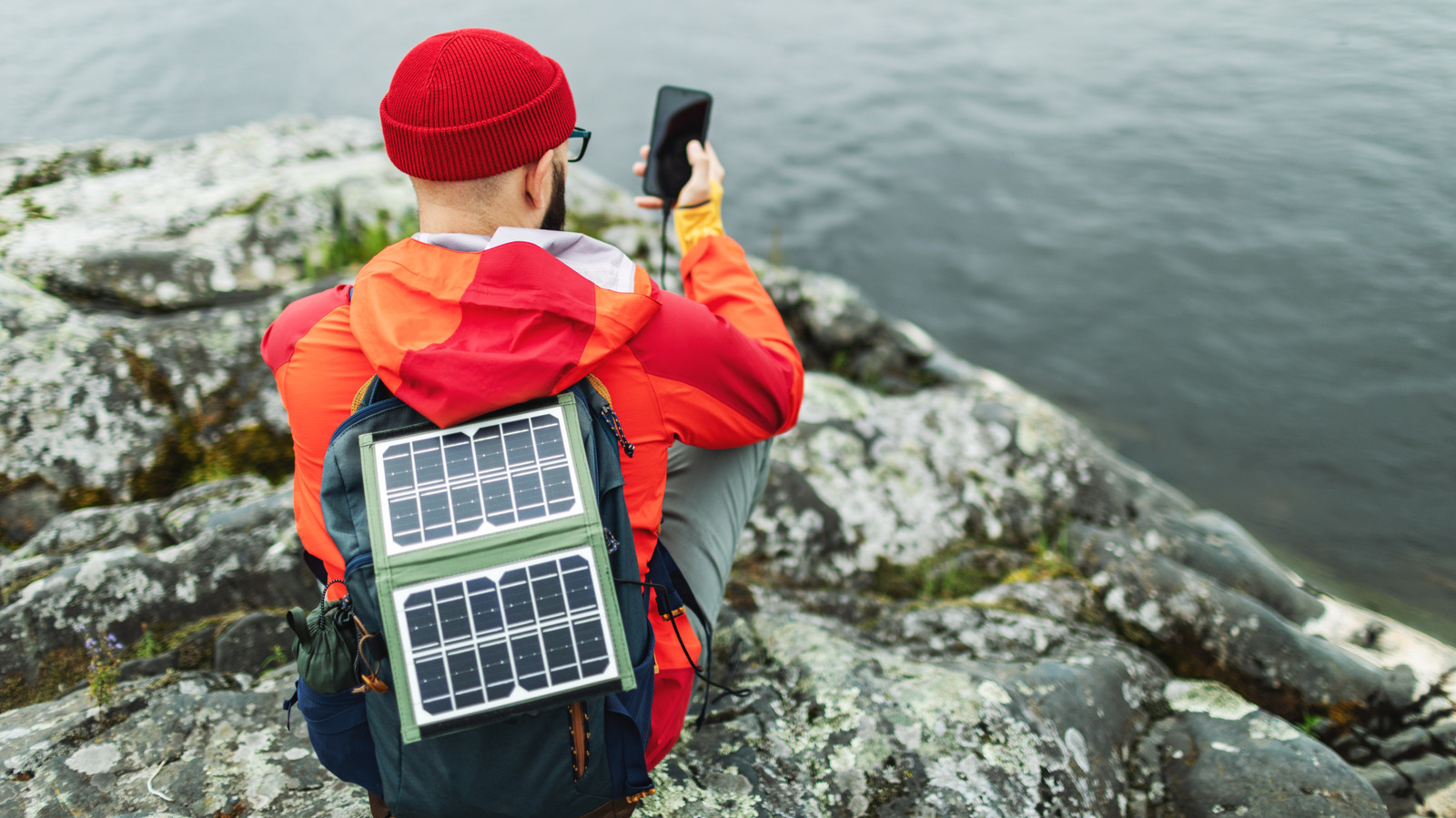
Solar‑powered phone chargers are moving from niche gadget to mainstream backup for campers, hikers and households facing blackouts, as more consumers seek reliable, off‑grid power for their smartphones.
The technology behind these compact chargers is straightforward: photovoltaic cells inside a foldable panel absorb photons from sunlight and generate direct current. A built‑in charge controller converts this electricity to a stable output, typically 5 V via USB, that can safely charge a phone battery. Some models also incorporate an internal lithium‑ion pack, allowing the panel to store energy for use after sunset or on cloudy days.
When choosing a portable solar charger, experts point to several practical criteria. Wattage determines how quickly the device can replenish a phone; panels rated between 5 and 10 watts are common for single‑device use, while higher‑output units can handle tablets or multiple gadgets. Efficiency ratings, measured as a percentage of sunlight converted to usable power, affect performance in low‑light conditions. Durability features such as water‑resistant fabrics, reinforced hinges and rugged frames are essential for outdoor environments, and an integrated battery can provide a buffer against intermittent sun exposure.
Market analysts note that the segment has expanded rapidly in recent years, driven by growing awareness of climate‑related power disruptions and a surge in outdoor recreation. Recent reviews, including a guide from a major technology outlet, have highlighted the emergence of solar chargers that combine fast‑charging standards like USB‑PD with robust weather‑proof designs, making them viable alternatives to traditional power banks.
Effective use still depends on proper placement and expectations. To maximize output, the panel should face the sun directly and be angled to capture the most intense rays, typically between 30 and 45 degrees depending on latitude and season. Cloud cover, shading from trees, and the angle of the sun can reduce charging speed dramatically, often extending a full charge to several hours. Users are advised to monitor device temperature, as prolonged exposure to direct sunlight can overheat both the charger and the phone.
Looking ahead, manufacturers are exploring higher‑efficiency cells, integrated solar backpacks and multi‑port hubs that can power everything from lights to small refrigerators. As battery technology improves and solar modules become cheaper, the line between emergency equipment and everyday convenience is likely to blur, positioning portable solar chargers as a staple in the modern consumer’s toolkit.



Comments (0)
Be the first to comment.
Join the discussion