Polestar’s US Ban Doesn’t Dampen Excitement Over Its Bold Formula 2030 Concept
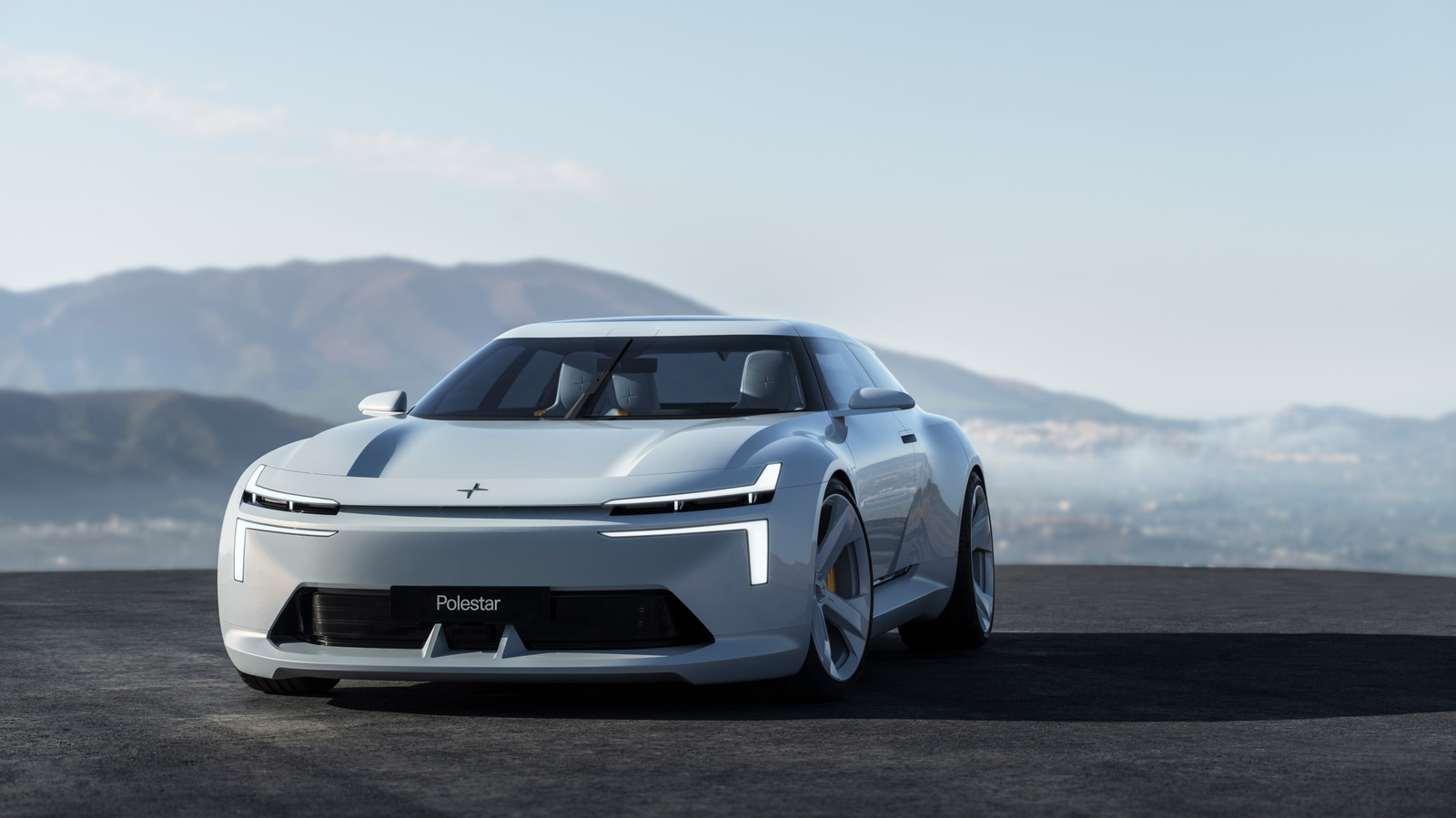
Even though Polestar is currently barred from selling cars in the United States, the brand’s newest concept, the Formula 2030, is drawing considerable attention from enthusiasts and industry observers alike. The prototype was unveiled at a recent showcase and immediately stood out for its unconventional approach to interior design and driver‑assistance hardware.
The restriction on Polestar stems from unresolved regulatory hurdles that have prevented the Swedish‑Chinese automaker, owned by Volvo and Geely, from importing its vehicles into the U.S. market. While the ban limits direct consumer access, it has not erased the curiosity surrounding the company’s forward‑thinking engineering, especially among a market that closely follows electric‑vehicle innovations.
The Formula 2030 concept introduces several distinctive features. Its seats are built from an inflatable structure that can adapt shape and firmness to each occupant, promising a blend of comfort and crash‑energy management. A pop‑up LiDAR sensor is integrated into the front fascia, extending only when the vehicle’s autonomous systems require high‑resolution mapping. In addition, the cabin retains a set of tactile physical buttons, a nod to drivers who favor haptic feedback over touchscreen controls.
These design choices reflect a broader industry trend toward re‑examining how drivers interact with increasingly automated cars. Automakers are experimenting with alternatives to the all‑screen dashboards that dominate today’s EVs, seeking ways to reduce driver distraction while still providing rich data for autonomous functions. Inflatable safety elements and modular sensor packages could also help manufacturers meet evolving safety standards without sacrificing interior space.
Looking ahead, the Formula 2030 may influence Polestar’s future production models, even if the brand remains excluded from the U.S. for the time being. Analysts suggest that resolving the regulatory impasse could open a path for the concept’s technologies to reach American buyers, while the prototype itself serves as a proof‑of‑concept for the company’s long‑term vision of adaptable, safety‑centric design.



Comments (0)
Be the first to comment.
Join the discussion