Polestar Launches New Metrics to Measure the Thrill of Performance Driving
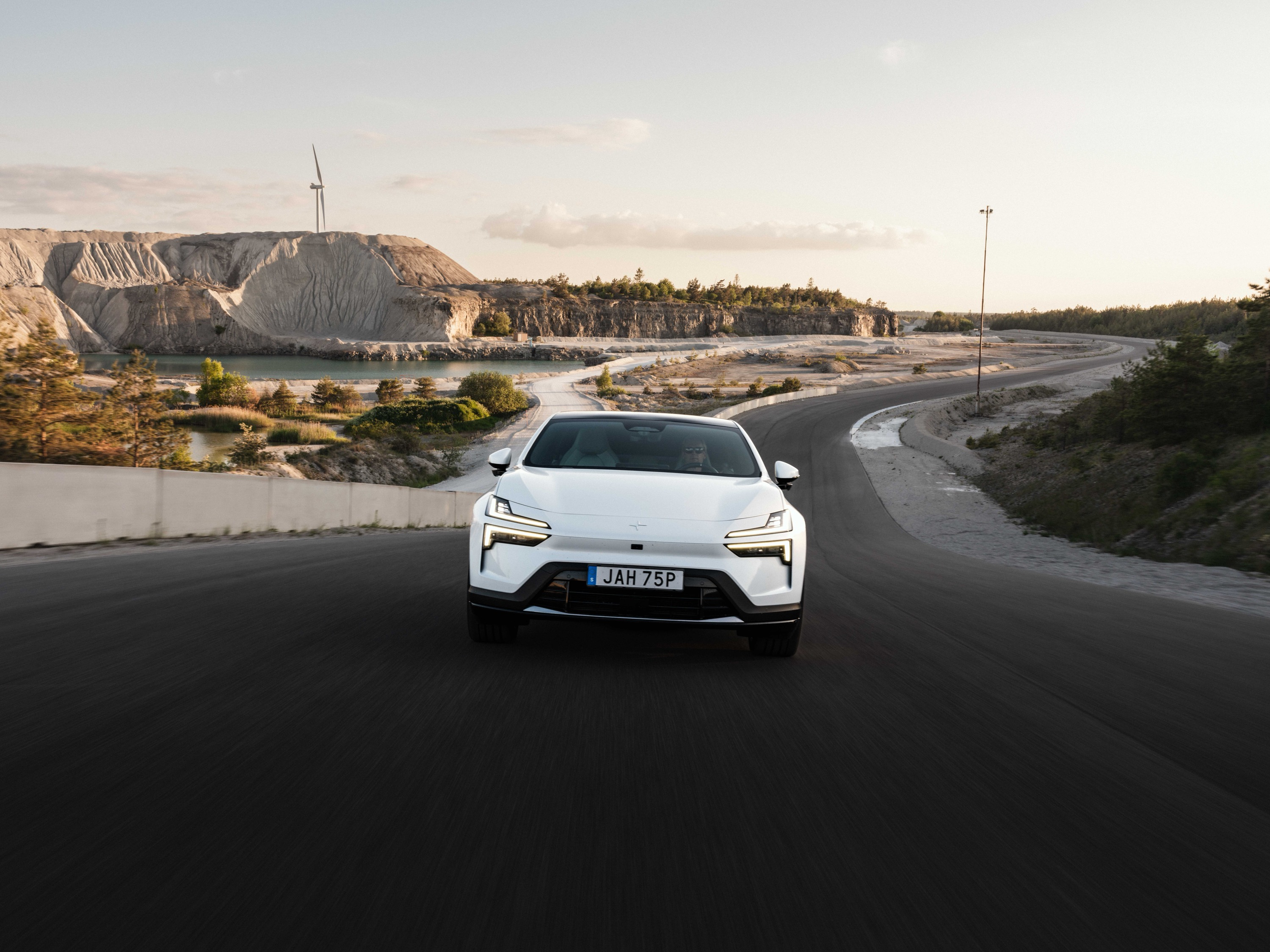
Swedish electric‑car maker Polestar is rolling out a suite of data‑driven tools designed to translate the subjective feeling of speed into quantifiable metrics, aiming to give drivers a clearer sense of what makes a performance vehicle exhilarating.
The initiative builds on humanity's long‑standing fascination with velocity, a curiosity that can be traced back to early nomadic societies who first rode horses across the Pontic‑Caspian steppe. By converting that primal urge into modern telemetry, Polestar hopes to bridge the gap between raw sensation and measurable performance.
According to the company's engineering team, the new system captures a range of inputs—including acceleration patterns, engine sound frequency, and driver‑controlled torque delivery—and processes them through proprietary algorithms. The output is presented to the driver via the vehicle’s infotainment screen, offering a real‑time “excitement score” that reflects how closely the current driving experience aligns with the brand’s performance benchmarks.
Polestar’s approach differs from traditional performance metrics such as 0‑to‑60 times or top‑speed figures, which focus solely on objective outcomes. Instead, the firm emphasizes the qualitative aspects of driving—how quickly a car responds to throttle inputs, the sharpness of its handling, and the auditory feedback that contributes to the overall thrill.
Industry observers note that this move could reshape how manufacturers market high‑performance electric vehicles, a segment that has grown rapidly as consumers seek sustainable yet spirited driving options. By providing a standardized way to discuss “driving pleasure,” Polestar may enable more meaningful comparisons across brands that have historically relied on subjective advertising.
Critics, however, caution that reducing an emotional experience to a numeric value risks oversimplifying what many drivers cherish about performance cars. They argue that personal preferences, road conditions, and even cultural factors play a role that raw data cannot fully capture.
Polestar plans to refine the system based on driver feedback and to integrate it across its upcoming model lineup. If successful, the technology could become a new benchmark for the industry, offering a data‑backed narrative that complements the timeless human desire to feel the rush of speed.



Comments (0)
Be the first to comment.
Join the discussion