Peter Jackson Secures One of Fewer Than 40 Known Moa Eggs for Return to New Zealand
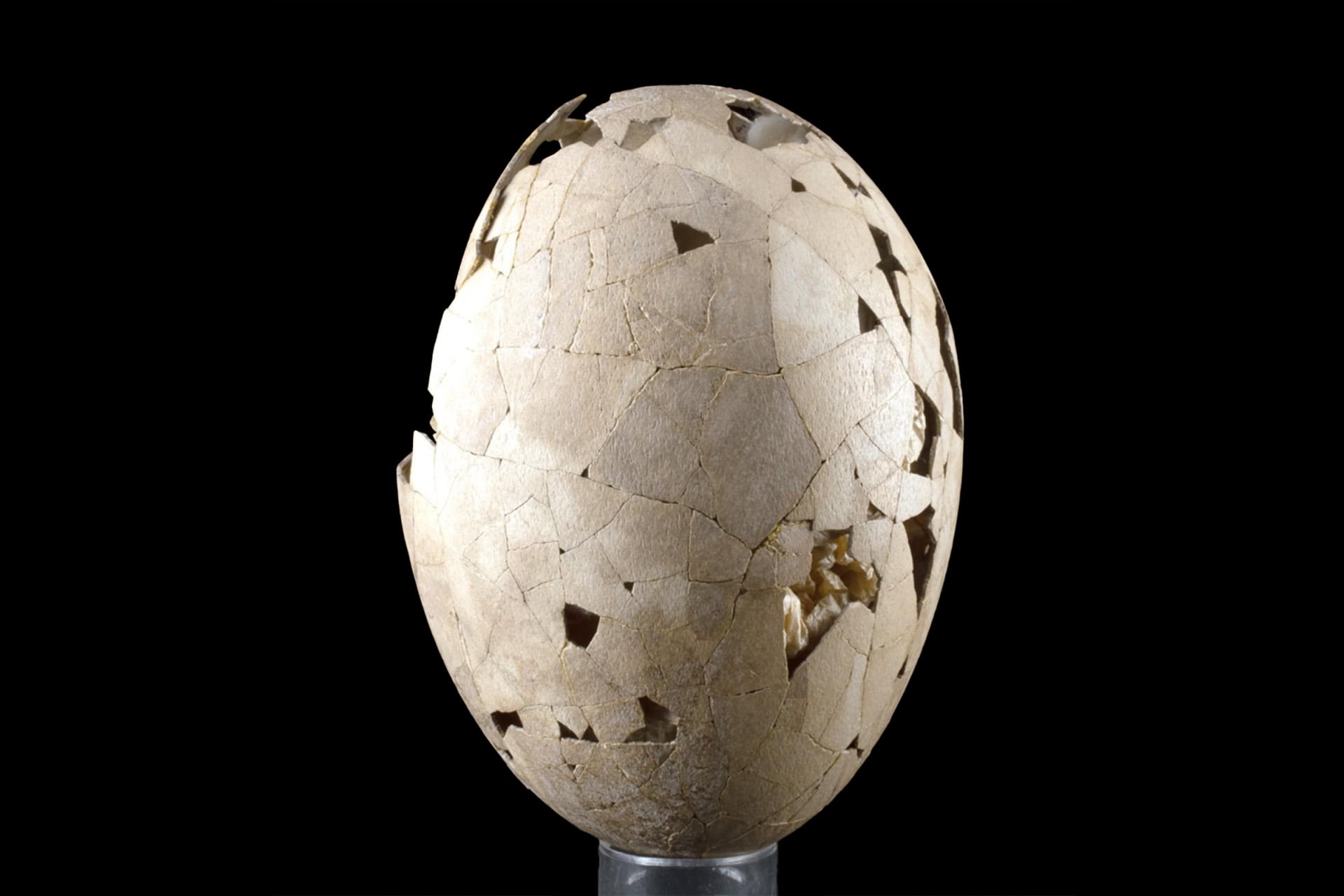
Renowned filmmaker Sir Peter Jackson has played a pivotal role in bringing an ultra‑rare moa egg back to its country of origin, securing the ancient relic after it surfaced at a Colorado gallery auction earlier this month.
The egg, belonging to the extinct flightless bird that once roamed New Zealand’s forests and plains, is counted among fewer than 40 specimens known to survive worldwide. When the Colorado gallery listed the artifact for sale in June, a consortium that includes a de‑extinction biotechnology startup stepped in, with Jackson lending his name and influence to the effort.
Jackson, best known for directing the award‑winning "Lord of the Rings" trilogy, has long been an advocate for New Zealand’s natural heritage. His involvement helped mobilise private donors and scientific partners who saw the egg’s repatriation as both a cultural victory and a potential research asset for ongoing de‑extinction discussions.
De‑extinction firms, which aim to resurrect traits of extinct species through advanced genetic techniques, view the moa as a flagship candidate. While no definitive plans to clone the bird have been announced, the egg’s return provides a rare source of DNA material that could inform future studies on the species' genetics and evolutionary history.
New Zealand’s Ministry for Culture and Heritage welcomed the development, noting that the egg will be housed in a national museum where it can be displayed alongside educational exhibits about the moa’s role in Māori history and the broader ecological impact of its disappearance in the 15th century.
Experts caution that the egg’s scientific value is limited by its age and preservation state, but they emphasize that each additional specimen helps fill gaps in the fragmented record of the bird’s biology. The museum plans to conduct non‑invasive imaging and DNA extraction attempts under strict conservation protocols.
The auction in Colorado sparked a debate among collectors about the ethics of trading artifacts of extinct fauna. Jackson’s intervention underscores a growing trend of high‑profile figures using their platforms to redirect such items to public institutions, arguing that cultural artifacts belong in the public domain rather than private hands.
As the moa egg settles into its new home, the episode highlights the intersection of cinema, science, and heritage preservation. While the prospect of bringing the moa back to life remains speculative, the egg’s journey from a U.S. gallery to a New Zealand museum exemplifies how collaborative efforts can safeguard irreplaceable pieces of natural history for future generations.


Comments (0)
Be the first to comment.
Join the discussion