Perseid Meteor Shower Reaches Zenith: Prime Viewing Anticipated Wednesday Night
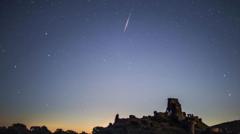
Skygazers across the globe are preparing for a celestial spectacle as the annual Perseid meteor shower is set to reach its peak activity on Wednesday night. This highly anticipated event promises the best opportunity for observers to witness numerous meteors streaking across the dark sky, often referred to as 'falling stars'.
The Perseids are one of the most consistent and active meteor showers each year, originating from particles shed by Comet Swift-Tuttle. As Earth passes through the trail of cosmic debris left by the comet, these tiny fragments enter our atmosphere at high speeds, burning up and creating the luminous trails visible from the ground.
The zenith of the shower's activity is specifically forecast for Wednesday evening, continuing into the early hours of Thursday morning. For optimal viewing, experts recommend finding a location far from city lights and light pollution, allowing for the darkest possible skies. Rural areas, parks, or open fields typically offer the best vantage points.
Successful meteor watching requires patience and preparation. Observers are advised to allow their eyes at least 20-30 minutes to adjust to the darkness, enhancing their sensitivity to fainter meteors. Lying on a blanket or reclining in a chair can provide a comfortable viewing experience, as the meteors can appear from any direction in the night sky.
No specialized astronomical equipment, such as telescopes or binoculars, is needed to enjoy this natural phenomenon. The beauty of the Perseids lies in their accessibility; they are a treat for the unaided eye, making them a popular event for families and casual observers alike.
This annual display serves as a captivating reminder of Earth's journey through space and the dynamic environment of our solar system. It draws both seasoned astronomy enthusiasts and casual observers alike, offering a moment of shared wonder under the vast expanse of the cosmos. The event was initially highlighted by BBC Science, underscoring its broad scientific and popular appeal.
As the peak approaches, individuals are encouraged to step outside and look up, taking advantage of one of nature's most accessible astronomical displays. The Wednesday night peak offers a prime window for anyone hoping to catch a glimpse of these fleeting celestial visitors before their activity wanes for another year.


Comments (0)
Be the first to comment.
Join the discussion