US Border Checks of Travelers' Electronics Surge 32% in 2024
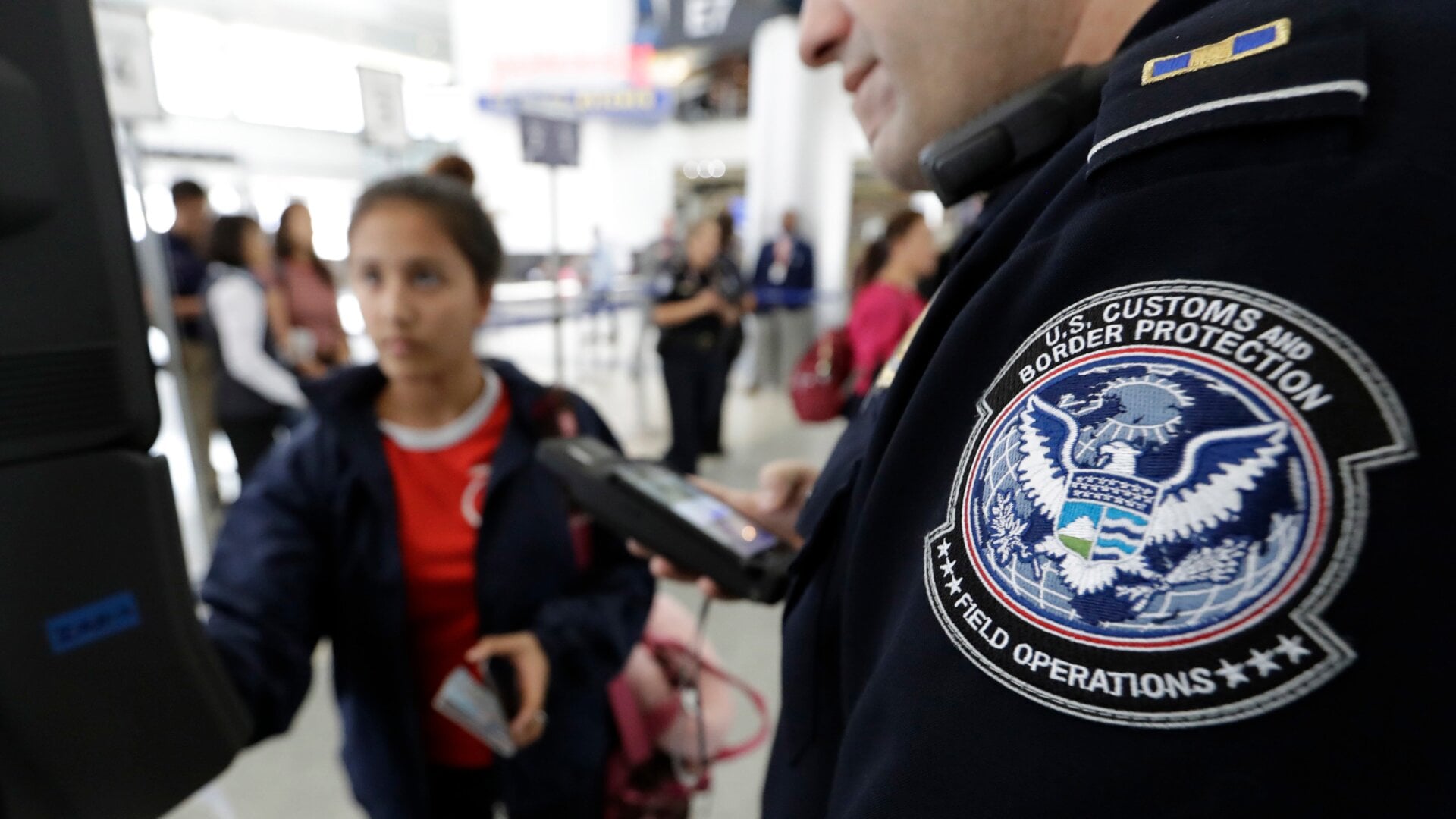
Customs officials are inspecting personal electronic devices at a markedly higher rate than in recent years, with a 32% rise in laptop and smartphone searches recorded so far in 2024, according to data released by U.S. Customs and Border Protection (CBP). The increase signals a tightening of security protocols for the millions of passengers who cross into the United States each month.
CBP officials say the uptick reflects a broader effort to combat a range of threats, from illegal immigration to drug trafficking and cyber‑related crimes. While the agency has long held the authority to examine goods and luggage at the border, the focus on digital devices has intensified as law‑enforcement tools become more capable of extracting data remotely. The agency did not disclose the total number of devices examined, but the percentage jump suggests that electronic searches are now a routine part of many travelers' entry experience.
The legal backdrop for these searches rests on the so‑called “border search exception” to the Fourth Amendment, which allows customs agents to conduct warrant‑less examinations at points of entry. Recent court rulings have reaffirmed this principle, though they also acknowledge growing privacy concerns as smartphones store ever more personal information. Civil‑rights advocates argue that the line between legitimate security checks and invasive probing is becoming increasingly blurred.
Travelers report longer wait times and heightened anxiety as officers request access to phones, laptops, and even cloud‑based accounts. Many are unaware that they can refuse to unlock a device, though refusal can lead to secondary inspection or denial of entry. Airlines and travel advisories have begun warning passengers about the possibility of device searches, urging them to back up data and consider encrypting sensitive information before crossing the border.
Privacy groups have called for greater transparency and oversight, urging Congress to examine whether the current scope of electronic searches aligns with constitutional protections. CBP, for its part, maintains that the measures are essential to national security and that agents follow strict protocols to minimize unnecessary intrusion.
Analysts predict that the trend will persist as technology evolves and law‑enforcement agencies expand their digital capabilities. While the exact trajectory remains uncertain, the 32% increase this year underscores a shifting landscape in which personal data is increasingly viewed as a security asset at the nation's front doors.



Comments (0)
Be the first to comment.
Join the discussion