El Niño Forces Panama Canal to Curtail Ship Transits, Raising Global Trade Concerns
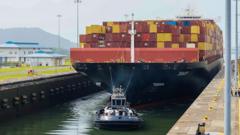
A critical artery for global commerce, the Panama Canal, is implementing restrictions on the number of ships passing through its waters daily. The decision by the waterway's operator comes as a direct consequence of low rainfall across the region, a condition attributed to the ongoing El Niño weather pattern.
The freshwater lakes that feed the canal's intricate lock system, essential for raising and lowering vessels between the Atlantic and Pacific oceans, have experienced significantly depleted levels. This scarcity of water directly impacts the operational capacity of the canal, necessitating a reduction in transits to conserve this vital resource.
For the shipping industry, these new limitations could translate into longer waiting times for vessels, potential rerouting of cargo, and increased operational costs. Given the Panama Canal's pivotal role in global logistics, connecting major markets and facilitating the movement of diverse goods from consumer products to energy resources, any disruption can ripple through international supply chains.
The Panama Canal, which opened over a century ago, operates using a series of locks that rely heavily on fresh water from Gatun Lake and Alajuela Lake. These man-made lakes are replenished by natural rainfall. As ships traverse the canal, vast amounts of water are released into the sea with each lock cycle, making consistent rainfall crucial for its continuous operation.
El Niño is a natural climate phenomenon characterized by the warming of ocean surface temperatures in the central and eastern tropical Pacific. This warming alters atmospheric circulation patterns, leading to significant changes in weather worldwide, often resulting in drier conditions in some regions, including parts of Central America.
While the canal has faced drought challenges in the past, the current El Niño event underscores the increasing vulnerability of key global infrastructure to climate variability. The long-term implications for international trade routes and the potential need for enhanced water management strategies or alternative solutions remain a significant concern for stakeholders.
This move by the canal operator highlights the delicate balance between environmental conditions and the demands of global commerce. As climate patterns continue to evolve, critical waterways like the Panama Canal must adapt to ensure the continued flow of goods that underpin the world economy.


Comments (0)
Be the first to comment.
Join the discussion