Outdated Home Devices May Be the Weakest Link in Your Network Security
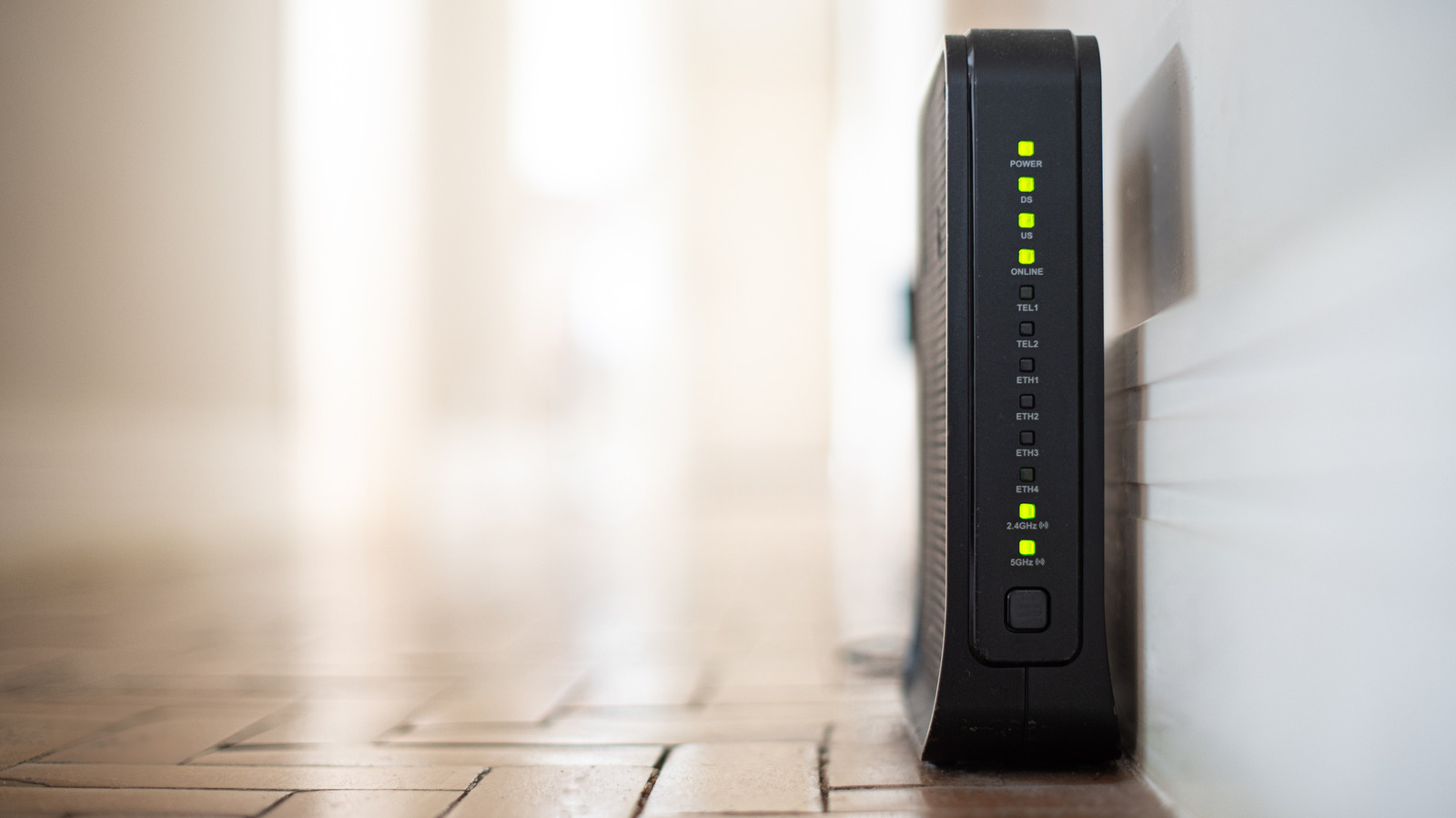
Security experts warn that the most overlooked vulnerability in many households is not a laptop or smartphone, but the aging smart plugs, routers, and other connected devices that have been left in service far beyond their support life.
Most manufacturers cease software updates for consumer‑grade hardware after a limited window, typically two to five years. When a device no longer receives patches, any newly discovered flaw remains unaddressed, giving attackers a foothold that can be leveraged to infiltrate the entire home network.
Researchers have demonstrated how an insecure smart thermostat or an old Wi‑Fi extender can be compromised through a simple exploit, allowing malicious code to pivot to more valuable targets such as personal computers, security cameras, and even home‑automation hubs. Because these gadgets often operate with default credentials or weak authentication, the barrier to entry for a hacker can be remarkably low.
The risk is amplified by the growing number of Internet‑of‑Things (IoT) products that communicate with each other. A breach in one device can cascade, granting the intruder access to a broader ecosystem of sensors, locks, and voice assistants. In many cases, users are unaware that these devices have a network presence at all, making it difficult to spot the entry point during a security audit.
While replacing every outdated gadget may be financially burdensome, experts suggest practical mitigation steps. Updating firmware whenever possible, changing default passwords, segmenting IoT devices onto a separate VLAN, and disabling remote management features can substantially reduce exposure. For devices that no longer receive updates, the safest course is to retire them or isolate them from critical network resources.
Industry analysts predict that as the IoT market expands, the proportion of legacy hardware in homes will rise, prompting a push for longer‑term support models and more robust security standards. Until such changes become commonplace, consumers are left to balance the convenience of keeping older gadgets with the potential cost of a network breach.



Comments (0)
Be the first to comment.
Join the discussion