Putin’s Online Vote Captured on Unlicensed Windows 10 PC Built in the U.S.
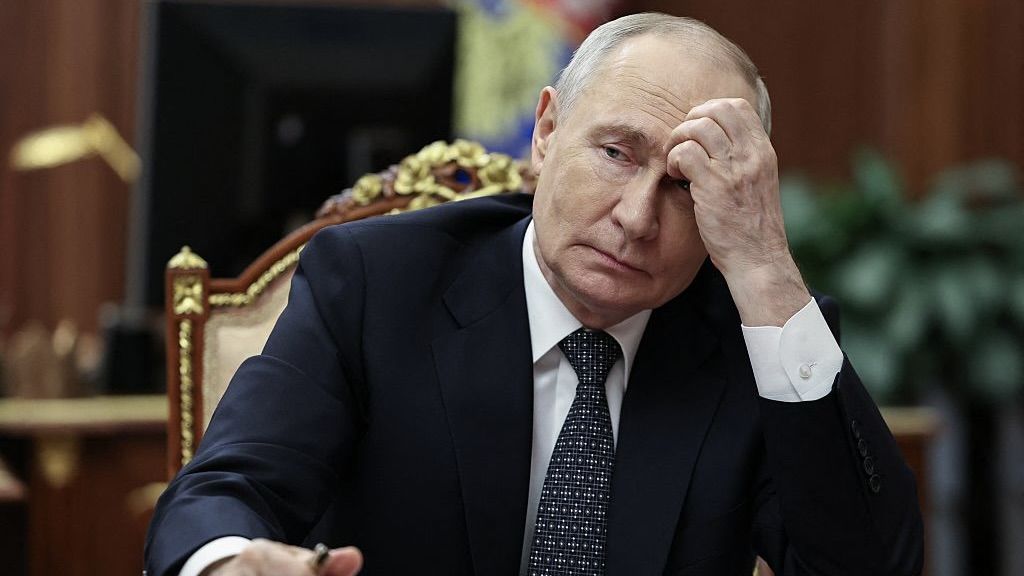
During a recent press briefing, Russian President Vladimir Putin was shown casting his ballot in the nation’s parliamentary election via an online voting platform. The brief video, released by the Kremlin, revealed not only the mechanics of the digital vote but also the hardware and software powering the process.
In the clip, the president’s workstation is clearly a Dell computer assembled in the United States. The machine runs Microsoft’s Windows 10 operating system, and on-screen indicators confirm that the software lacks an activated licence. The unregistered status of the OS is visible in the familiar watermark that appears on the desktop, a detail that has drawn attention from technology observers worldwide.
The incident arrives at a time when Russia’s push toward electronic voting has been met with both logistical enthusiasm and security concerns. Officials argue that online voting expands accessibility, especially in remote regions, while critics warn that it could expose the electoral process to cyber‑intrusion and manipulation. The revelation that the president’s own device relies on foreign‑made hardware and an unlicensed software copy adds a new layer to the debate.
Analysts note that the use of a U.S.-manufactured Dell PC underscores the ongoing dependence of Russian state institutions on Western technology, despite long‑standing efforts to develop domestic alternatives. Moreover, the presence of an unactivated Windows 10 installation raises questions about procurement standards and compliance with software licensing regulations within the Kremlin’s IT ecosystem.
While the Kremlin has not commented on the licensing issue, the visual evidence has sparked discussion about the broader implications for Russia’s digital sovereignty strategy. Observers suggest that the episode could prompt a reassessment of hardware sourcing policies and reinforce calls for a homegrown operating system to replace reliance on foreign platforms. As Russia prepares for the final rounds of parliamentary voting, the spotlight on its digital infrastructure is likely to intensify, with potential repercussions for both domestic policy and international technology trade relations.



Comments (0)
Be the first to comment.
Join the discussion