Octopus Energy rolls out plug‑in solar kits to UK small firms amid soaring demand
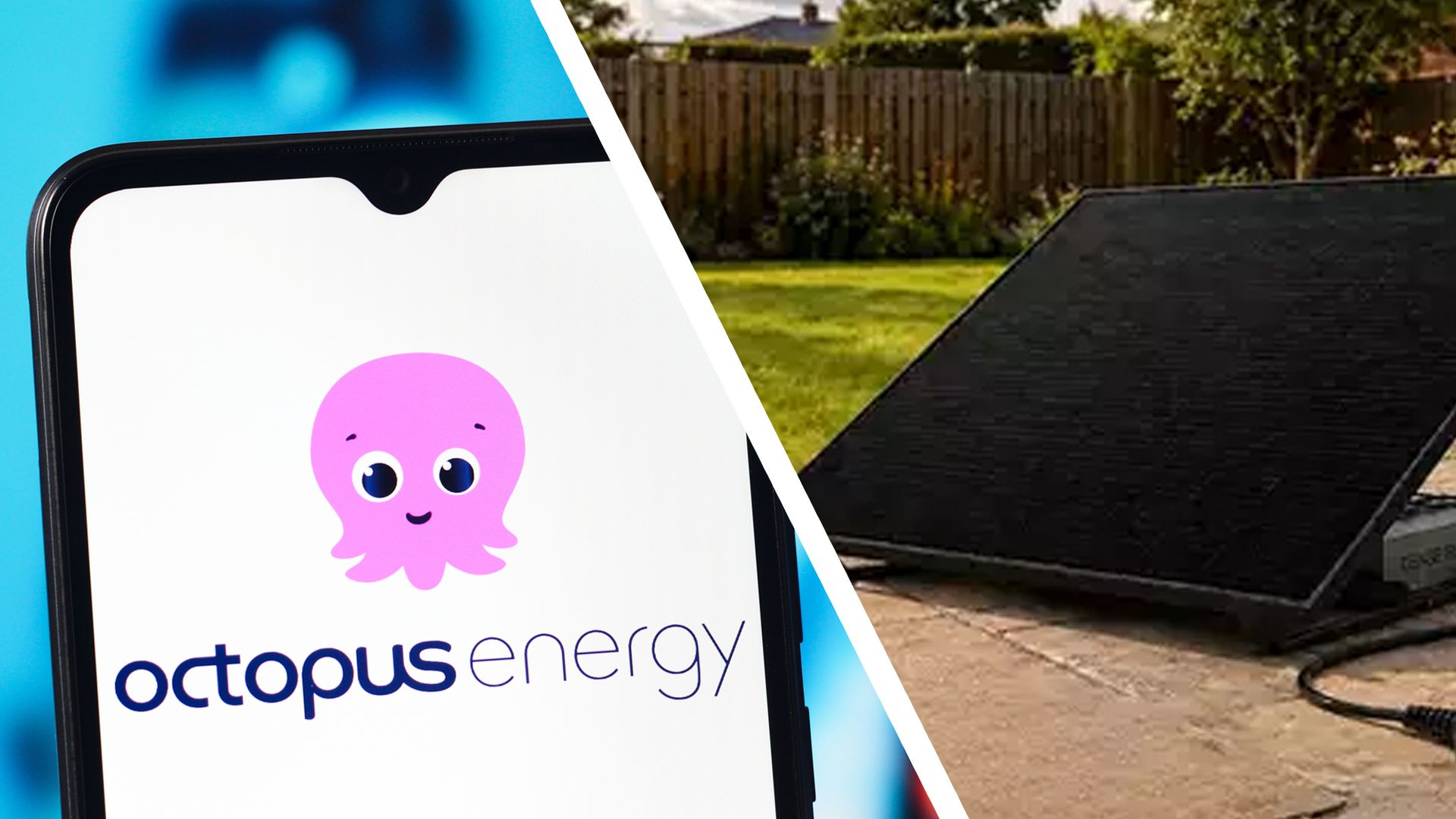
Octopus Energy announced it will extend its popular plug‑in solar panel kits, previously sold to households, to small and medium‑size enterprises across the United Kingdom.
The kits consist of either a single 460‑watt panel or a pair, designed to be installed on rooftops without the need for extensive planning permission or specialist contractors. They plug into an existing electricity supply and come with a pre‑configured inverter and monitoring app.
Octopus says the offering responds to a surge in enquiries from businesses looking to cut operating costs. The company estimates that users could see reductions of up to 23 % on their annual electricity bills, depending on site conditions and usage patterns.
The move arrives as UK commercial electricity prices have risen sharply since the 2021‑2022 energy crisis, prompting many owners to explore on‑site generation as a hedge against volatile wholesale rates. Plug‑in solar provides a relatively low‑up‑front option compared with traditional rooftop installations, which often require structural assessments and longer installation timelines.
A spokesperson for Octopus Energy called the decision "a no‑brainer" given the level of interest from the small‑business sector. The company will handle procurement, delivery and installation, and customers will receive a fixed‑price contract for the electricity the system generates, mirroring the model already used for residential clients.
Industry analysts note that the scheme could help accelerate the UK’s broader renewable‑energy targets, which aim for net‑zero emissions by 2050. While the capacity of each kit is modest—roughly 0.5 to 1 kilowatt‑peak—it can be a stepping stone for firms that later expand to larger arrays or combine solar with storage.
Octopus plans to roll out the service through its existing online portal, allowing businesses to order, schedule installation and monitor performance in real time. The company has not disclosed exact pricing, but the "no‑brainer" label suggests that the cost structure will be competitive with other small‑scale generation options.
If demand remains strong, the provider may broaden the product line to include higher‑capacity panels or integrated battery solutions, further reducing reliance on grid electricity for the sector. For now, the immediate benefit is a straightforward path for UK small businesses to lower energy expenses while contributing to the country’s decarbonisation effort.



Comments (0)
Be the first to comment.
Join the discussion