Nvidia eyes Germany’s decommissioned nuclear sites for massive AI data hubs, rules out reactor re‑activation
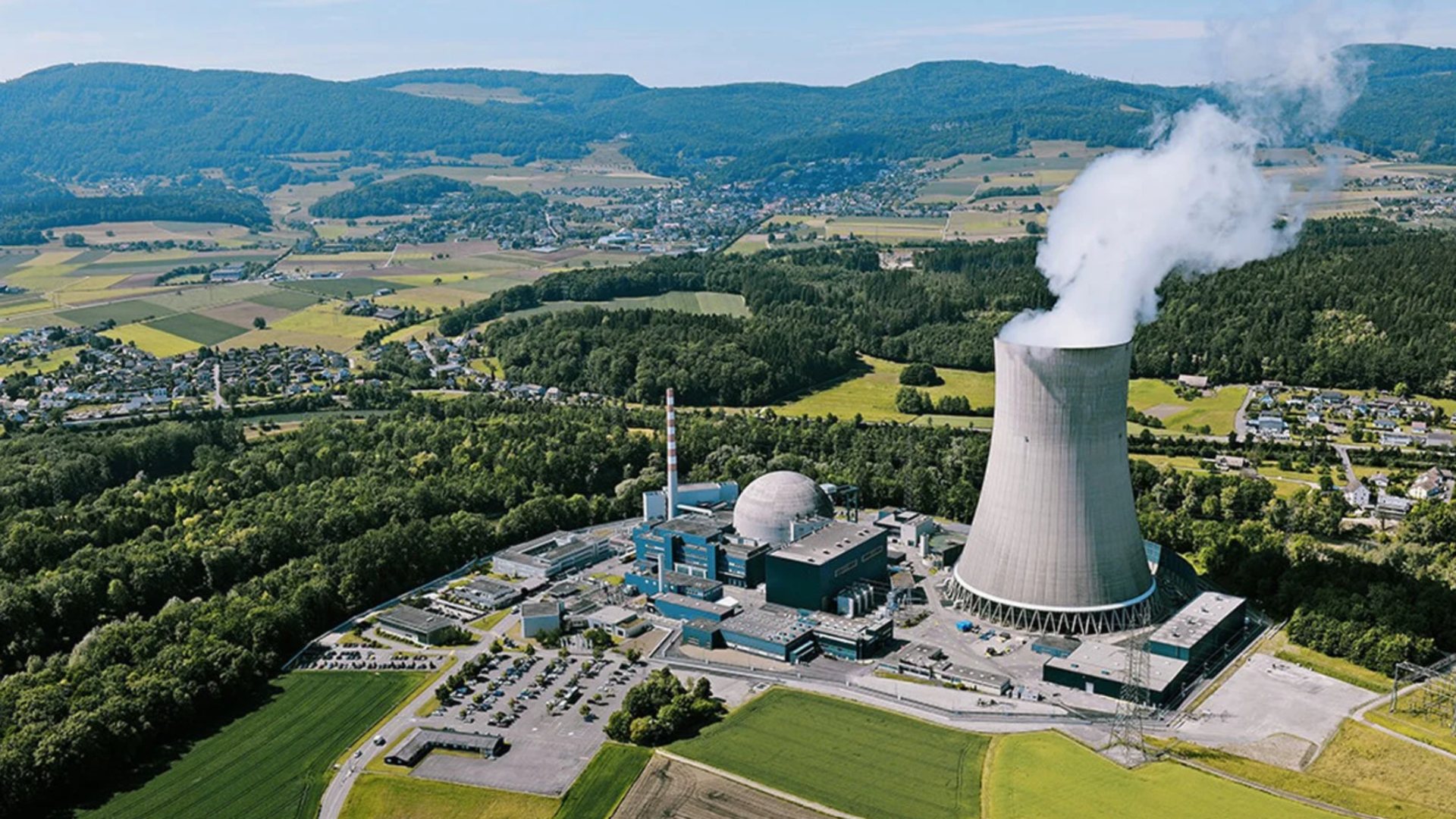
Technology giant Nvidia announced plans to explore the conversion of Germany's idle nuclear power stations into large‑scale artificial‑intelligence data centers, partnering with local utility PreussenElektra. The move comes as Berlin continues its multi‑year nuclear phase‑out, leaving dozens of former reactors awaiting dismantlement and creating a surplus of secure, grid‑connected infrastructure.
Germany’s decision to shut down all nuclear plants by the end of 2022, accelerated after the 2011 Fukushima disaster, has left a patchwork of concrete containment buildings, cooling towers and high‑capacity transmission links without a clear post‑closure purpose. Industry analysts have highlighted the challenge of repurposing such sites, which require extensive safety and environmental remediation before any new use can begin.
According to the joint statement from Nvidia and PreussenElektra, the companies will assess the technical feasibility of installing high‑density server farms within the existing plant footprints. The sites already possess robust power supply, cooling water access and hardened structures—attributes that align with the energy‑intensive demands of modern AI training clusters. Nvidia clarified that its interest is strictly limited to data‑center development; it has no intention of restarting nuclear reactors or altering the decommissioning schedule.
Stakeholders see the proposal as a potential win‑win. For Nvidia, proximity to Europe’s renewable‑heavy grid could reduce the carbon intensity of its compute workloads, while the German government hopes to derive economic value from otherwise dormant assets. Local municipalities, however, have voiced a mix of optimism and caution, urging transparent environmental impact assessments and community consultation before any construction begins.
Experts note that repurposing nuclear sites for data centers is not unprecedented; similar projects have been discussed in the United States and Japan, where the existing power infrastructure can support the massive electricity draw of AI hardware. Yet they also warn that the conversion process involves navigating strict nuclear safety regulations, securing permits for new construction, and addressing public perception concerns about residual radiation and site security.
The next steps will involve detailed site surveys, cost‑benefit analyses, and dialogue with federal and state regulators. If the feasibility studies prove positive, Nvidia and PreussenElektra could move toward pilot installations within the next two years, potentially setting a template for other decommissioned nuclear facilities across Europe. The outcome will be watched closely by both the tech industry, eager for low‑latency, high‑capacity compute hubs, and energy policy makers, tasked with finding sustainable uses for the legacy of Germany’s nuclear era.



Comments (0)
Be the first to comment.
Join the discussion