Nvidia Unveils Rubin GPU With Over 50,000 CUDA Cores, Targets 2028 HPC Rollout
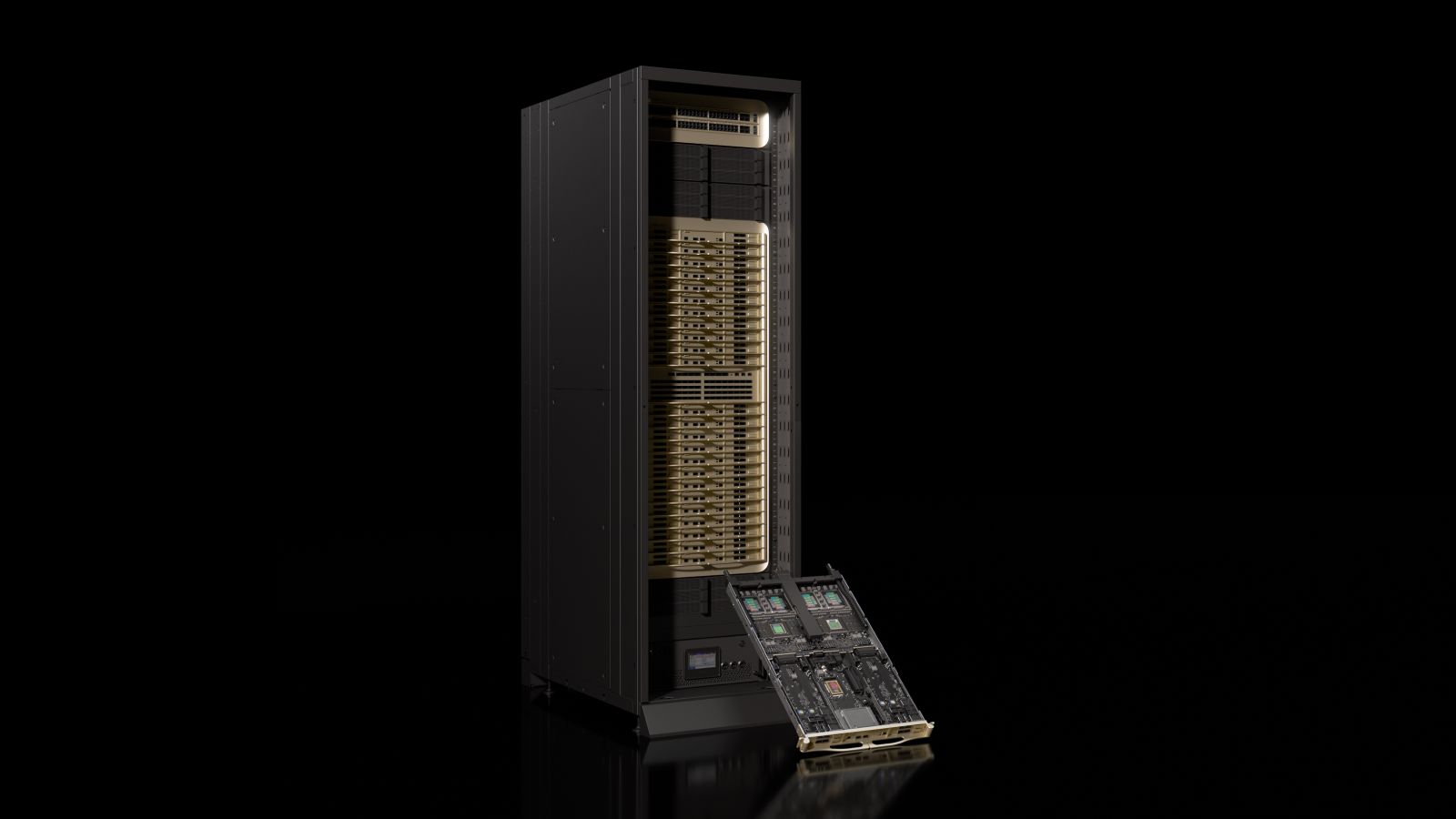
Nvidia announced its latest high‑performance computing processor, dubbed Rubin, which packs more than 50,000 CUDA cores—roughly three times the core count of the company’s flagship RTX 5090 graphics card.
The new architecture pushes the core tally beyond the RTX 5090’s 21,760 by an additional 28,240 cores, a leap that Nvidia says will enable more complex simulations, AI training, and scientific workloads that demand massive parallel processing.
Rubin is positioned squarely for the scientific and research markets rather than consumer gaming rigs. Nvidia’s roadmap places the processor in deployed HPC systems starting in 2028, giving customers time to design and integrate the hardware into supercomputing clusters and data‑center environments.
The announcement comes as demand for AI‑driven research and large‑scale modeling continues to outpace the capabilities of existing GPUs. Industry analysts have noted that the rapid growth of climate modeling, drug discovery, and autonomous‑vehicle training is driving manufacturers to seek ever‑larger core counts and higher memory bandwidth.
While Nvidia has not disclosed detailed performance metrics, the sheer increase in CUDA cores suggests a substantial boost in raw compute throughput. The company is likely to pair Rubin with next‑generation memory and interconnect technologies to minimize bottlenecks and sustain the higher parallelism.
Looking ahead, the 2028 timeline gives OEMs and research institutions a window to plan upgrades and to evaluate how Rubin will fit alongside emerging standards such as PCIe 6.0 and future versions of Nvidia’s own NVLink. If the processor lives up to its specifications, it could set a new benchmark for scientific computing and reinforce Nvidia’s dominance in the high‑end GPU market.



Comments (0)
Be the first to comment.
Join the discussion