Nvidia Expands Into Physical AI, Targeting Safer Robotaxis and Humanoid Machines
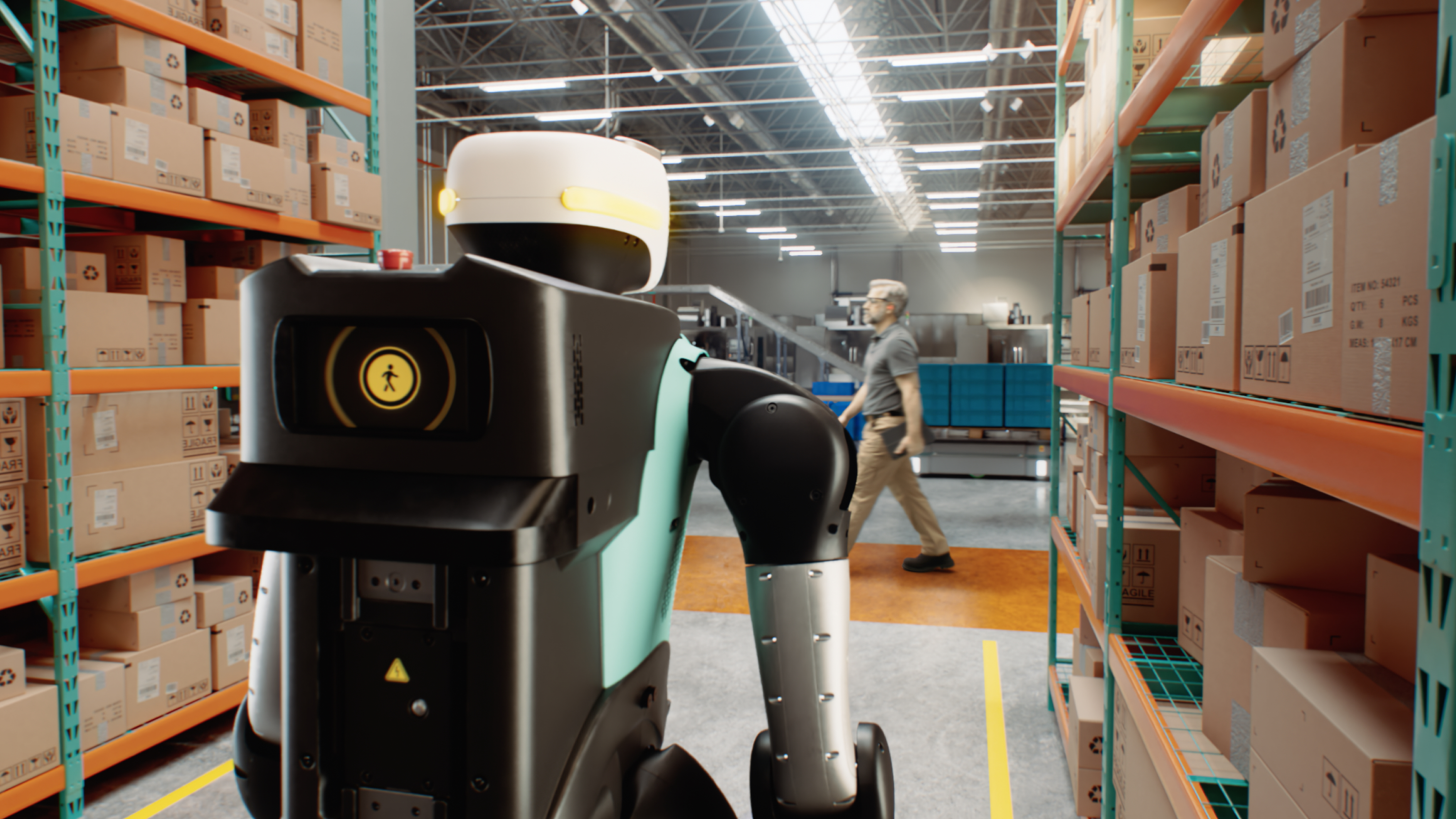
Nvidia, best known for its dominance in AI data‑center chips, is channeling billions of dollars into physical AI projects ranging from autonomous vehicle platforms to humanoid robotics, a move analysts say could diversify the company’s revenue beyond its soaring valuation.
The chipmaker’s recent announcements detail a multi‑year investment strategy that includes developing specialized processors, simulation tools, and software stacks designed to power safer robotaxi fleets and next‑generation humanoid robots. By integrating its core GPU and AI‑accelerator technologies with real‑world sensors and control systems, Nvidia aims to close the gap between high‑performance computing and embodied intelligence.
Industry observers note that the surge in investor enthusiasm for AI data‑center workloads has propelled Nvidia’s market capitalization into the multi‑trillion‑dollar range, but the firm’s leadership warns that reliance on a single market segment could be risky. The physical‑AI push is therefore presented as a hedge, leveraging the same computational expertise to address emerging demand in autonomous mobility and advanced robotics.
In the autonomous‑vehicle arena, Nvidia is partnering with several car manufacturers and fleet operators to provide end‑to‑end solutions that combine perception, planning, and safety verification. The company emphasizes that its platform is built to run extensive simulations, allowing developers to test edge cases and regulatory scenarios without exposing road users to unproven technology.
On the robotics front, Nvidia’s development kit for humanoid machines is intended to enable more fluid motion, better environmental awareness, and adaptive learning capabilities. While commercial deployment remains limited, the firm has showcased prototype demonstrations that suggest future applications in logistics, healthcare, and service industries.
Critics point out that the physical‑AI market is still nascent and capital‑intensive, with high barriers to entry and uncertain profit timelines. Nonetheless, Nvidia’s deep pockets and ecosystem of developers give it a competitive edge in shaping standards for AI‑driven hardware and software integration.
Looking ahead, Nvidia plans to roll out additional hardware iterations and expand its simulation cloud services, signaling a long‑term commitment to making AI-powered robots and self‑driving cars both reliable and economically viable. The success of these ventures will likely influence how investors view the sustainability of Nvidia’s current valuation, which rests heavily on expectations for future physical‑AI breakthroughs.


Comments (0)
Be the first to comment.
Join the discussion