New Study Shows Both Sexes of Bonnethead Sharks Start with Pointed Heads, Refuting Earlier Sex‑Specific Theory
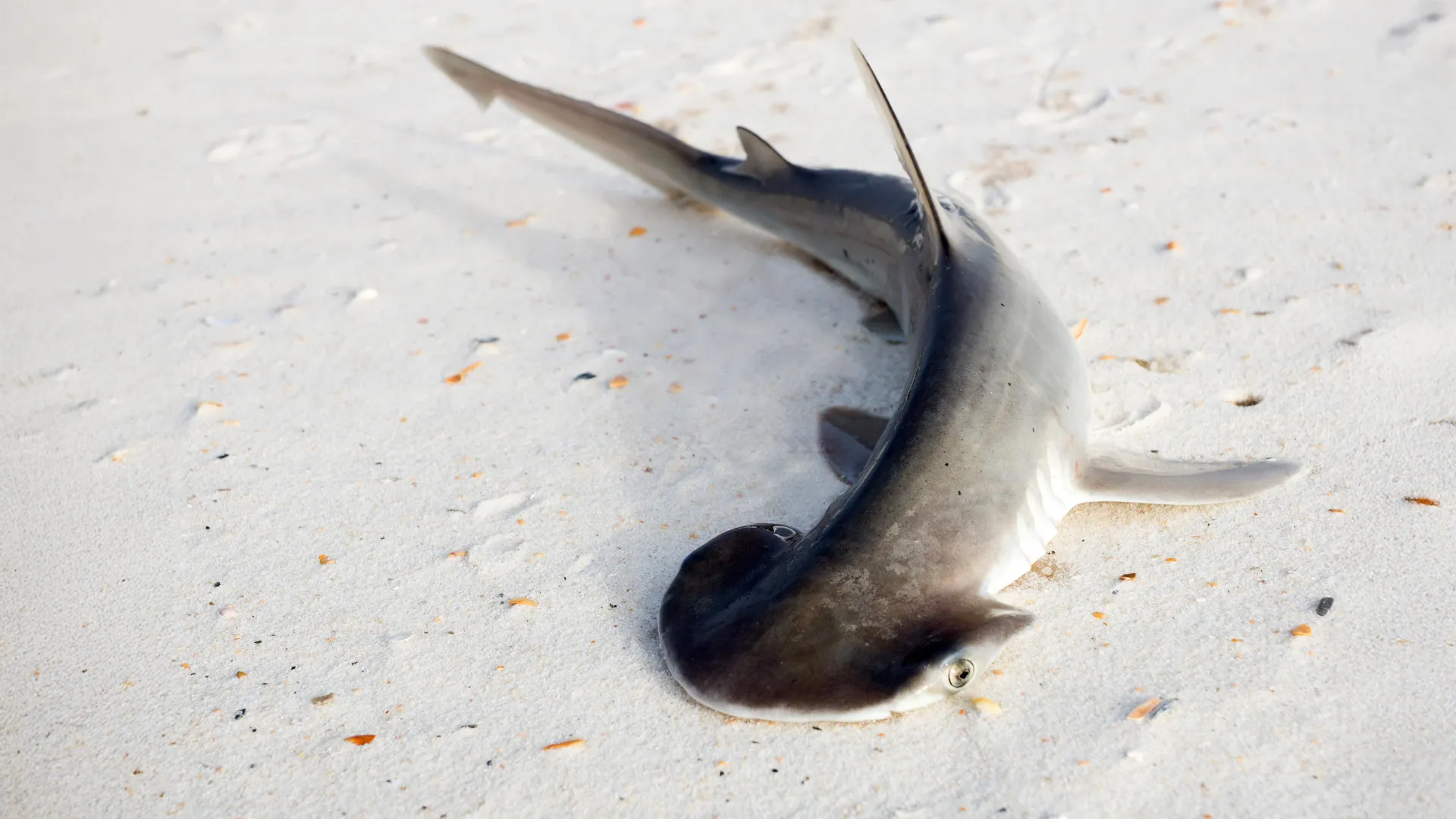
Marine biologists have revised a long‑standing idea about the development of head shape in bonnethead sharks, revealing that the distinctive differences between males and females arise later in life rather than at sexual maturity as previously thought.
The research, which examined hundreds of specimens spanning a range of ages, found that juvenile bonnetheads of both sexes possess relatively pointed cephalo‑rostra. As the sharks grow, their heads gradually broaden, a transformation that is especially pronounced in females, leading to the rounded silhouettes that characterize adult individuals.
For decades, scientists explained the pronounced sexual dimorphism in bonnethead head morphology by proposing that male sharks develop a more acute snout once they reach reproductive age, while females retain a broader shape throughout their lives. The new data, however, overturns that model by showing that the initial pointed form is a common starting point for all juveniles, and that the divergence emerges from differential growth patterns rather than a sex‑specific developmental switch.
The team behind the study employed detailed morphometric analyses, measuring head width, length, and curvature across specimens collected from both coastal surveys and museum collections. By correlating these measurements with age estimates derived from vertebral band counts, the scientists were able to map a clear trajectory of head‑shape change over the shark's lifespan.
These findings have broader implications for understanding the functional role of the bonnethead’s hammer‑shaped head. A more rounded head in mature females may enhance maneuverability or improve sensory reception in the benthic habitats where they often forage for crustaceans, while the retained pointedness in younger sharks could aid in navigating open waters. The study underscores the importance of ontogenetic development in shaping adult morphology, a factor that may have been underappreciated in previous comparative work on hammerhead species.
Beyond the specifics of bonnethead biology, the revision highlights a methodological shift in marine science toward using larger, longitudinal datasets to test assumptions that were once based on limited observations. By reassessing established theories with more comprehensive evidence, researchers can avoid entrenched misconceptions that influence everything from species identification guides to conservation strategies.
The authors suggest that future investigations should explore the genetic and hormonal mechanisms driving the observed growth patterns, as well as assess whether similar ontogenetic shifts occur in related hammerhead species. Such work could clarify whether the head‑shape trajectory seen in bonnetheads is a unique adaptation or part of a broader evolutionary trend among sharks with laterally expanded heads.
As the scientific community digests these results, the updated understanding of bonnethead development may prompt revisions to educational materials and influence how fisheries managers assess the species, particularly in regions where adult females constitute a significant portion of the population.


Comments (0)
Be the first to comment.
Join the discussion