New Amazonian Frog Species Unveiled Amid Growing Ecological Concerns
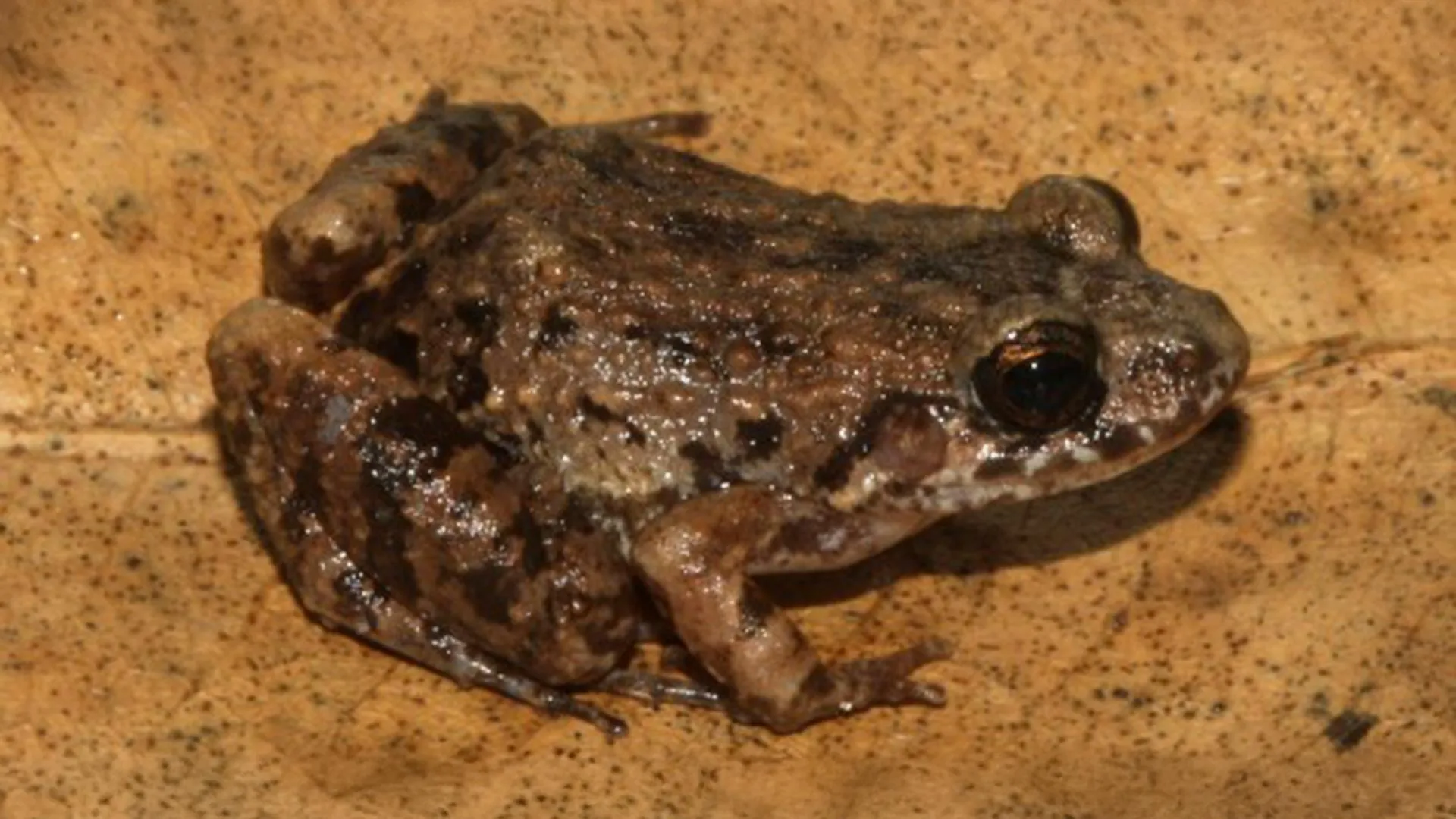
Researchers working in the seasonally flooded forests of western Amazonia have announced the identification of a previously unknown frog, formally named Adenomera varcena. The find adds another entry to the region’s already staggering catalogue of amphibian life and underscores how much of the basin’s fauna remains undocumented.
The team distinguished the newcomer from several look‑alike species through a combination of genetic sequencing and analysis of its distinctive mating call. While the frogs share a similar body shape and coloration with close relatives, subtle variations in DNA markers and a uniquely patterned vocalization confirmed that they constitute a separate taxon.
Flooded forest habitats, locally known as varzea, are among the most productive yet understudied ecosystems in the Amazon. Seasonal inundation creates a mosaic of aquatic and terrestrial microhabitats that support a rich assemblage of insects, fish, and amphibians. Because these areas are difficult to access, many organisms, especially small or cryptic species like Adenomera varcena, evade detection until targeted surveys are conducted.
The discovery arrives at a time when the Amazon faces accelerating threats from deforestation, infrastructure development, and climate‑driven shifts in rainfall patterns. Habitat loss not only reduces the area available for species like the new frog but also fragments populations, making them more vulnerable to disease and genetic erosion.
Scientists caution that the identification of Adenomera varcena is likely just the tip of the iceberg. Similar genetic and acoustic studies in adjacent floodplains have already revealed hidden diversity among other amphibian groups, suggesting that many more species could be awaiting description.
Moving forward, researchers plan to monitor the new frog’s population dynamics and habitat preferences, data that could inform conservation strategies for the broader varzea ecosystem. The find reinforces the urgency of preserving Amazonian wetlands, not only for the species already known but also for the countless organisms that remain hidden beneath the forest’s watery canopy.


Comments (0)
Be the first to comment.
Join the discussion