Netflix Wins Streaming Rights for 2030 World Cup in Spain and Andorra
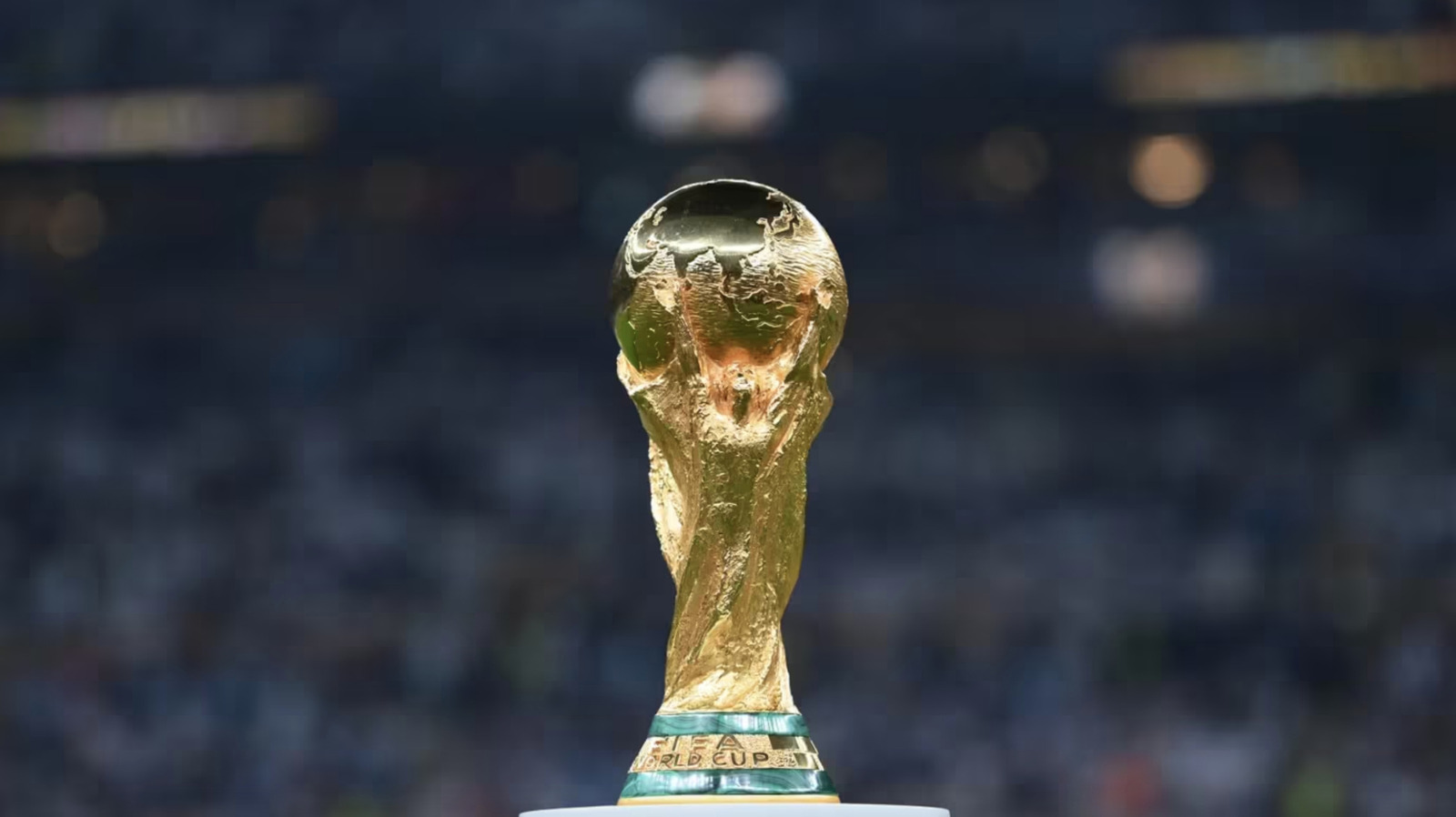
Netflix announced this week that it will stream the upcoming 2030 FIFA World Cup to subscribers in Spain and the micro‑state of Andorra, marking the streaming giant's first foray into live football coverage for a major international tournament in those markets.
The move follows a broader trend of over‑the‑top platforms securing sports rights traditionally held by broadcast networks. Netflix has already experimented with live sports, notably streaming select NFL games and the 2022 FIFA Women’s World Cup in select regions, and this new agreement expands its sports portfolio ahead of the tournament scheduled for June‑July 2030.
For Spanish and Andorran fans, the deal means the World Cup will be accessible through the familiar Netflix app on smartphones, tablets, smart TVs and other connected devices, without the need for a separate sports subscription. The service will be geo‑restricted to those two countries, meaning viewers outside the region will still require local broadcasters or other streaming services to watch live matches.
Industry analysts note that Netflix’s entry into live football could pressure traditional broadcasters in the Iberian Peninsula, where free‑to‑air channels and pay‑TV operators have long dominated World Cup coverage. By bundling the tournament with its existing entertainment library, Netflix may attract a younger, cord‑cutting audience that prefers on‑demand viewing and the convenience of a single subscription.
Consumers in Spain and Andorra are already preparing for the change; the announcement was accompanied by a light‑hearted reminder to have VPNs ready for those who might travel abroad and wish to maintain access to the stream. While VPN use can circumvent regional blocks, it also raises questions about licensing enforcement and the future of geo‑restricted content.
The partnership underscores Netflix’s strategy to diversify its content beyond scripted series and movies, aiming to become a more comprehensive entertainment hub. As the 2030 World Cup draws nearer, the company may explore additional rights in neighboring markets, while regulators and FIFA will monitor how streaming agreements align with existing broadcast contracts across Europe.

Comments (0)
Be the first to comment.
Join the discussion