University of Queensland unveils nanoscale tool to monitor proteins in live neurons, boosting Alzheimer’s and Parkinson’s drug hunt
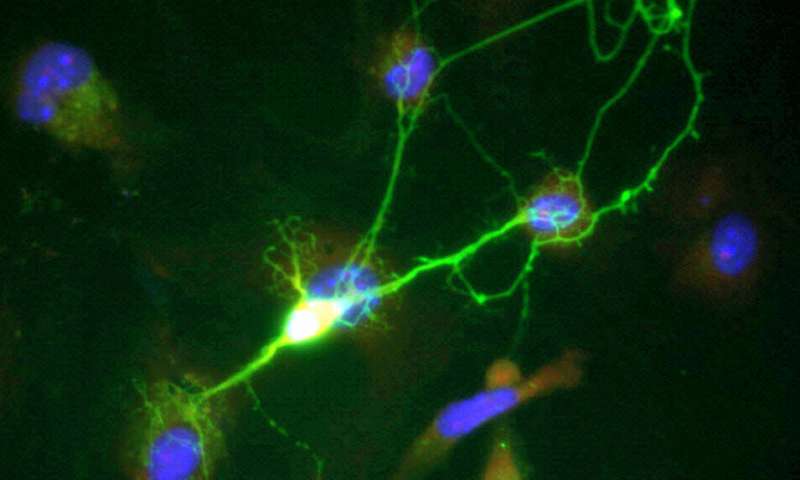
Researchers at the University of Queensland have announced a breakthrough imaging platform that can track individual disease‑related proteins inside living neurons, a capability that could accelerate the early stages of drug development for Alzheimer’s and Parkinson’s diseases.
The system, dubbed NASTIC (Nanoscale Spatiotemporal Indexing Clustering), combines super‑resolution microscopy with advanced computational indexing to map the movement and interactions of single protein molecules in real time. By assigning each protein a unique spatiotemporal signature, scientists can observe how these molecules cluster, disperse, or change conformation within the complex environment of a functioning brain cell.
Because many neurodegenerative disorders are driven by the misfolding and aggregation of specific proteins—such as beta‑amyloid and tau in Alzheimer’s, or alpha‑synuclein in Parkinson’s—being able to watch these processes unfold inside a living neuron offers a direct window into the earliest pathological events. The technology enables researchers to test how candidate compounds alter protein behavior, providing a more physiologically relevant read‑out than traditional biochemical assays that rely on isolated proteins or fixed tissue.
The development arrives at a time when the pharmaceutical pipeline for brain diseases faces high failure rates, often attributed to the difficulty of translating findings from cell cultures or animal models to human patients. By preserving the native cellular context, NASTIC promises to reduce false leads and focus resources on molecules that demonstrably modify protein dynamics where it matters most.
University of Queensland scientists plan to make the platform available to collaborative labs worldwide and are already partnering with biotech firms to integrate NASTIC into high‑throughput screening workflows. If successful, the approach could shorten the timeline from target validation to pre‑clinical testing, offering hope for faster delivery of effective therapies to patients battling neurodegenerative illnesses.


Comments (0)
Be the first to comment.
Join the discussion