Morning Glories' Evolution Slows Drastically as Climate Shifts and Pollinators Decline
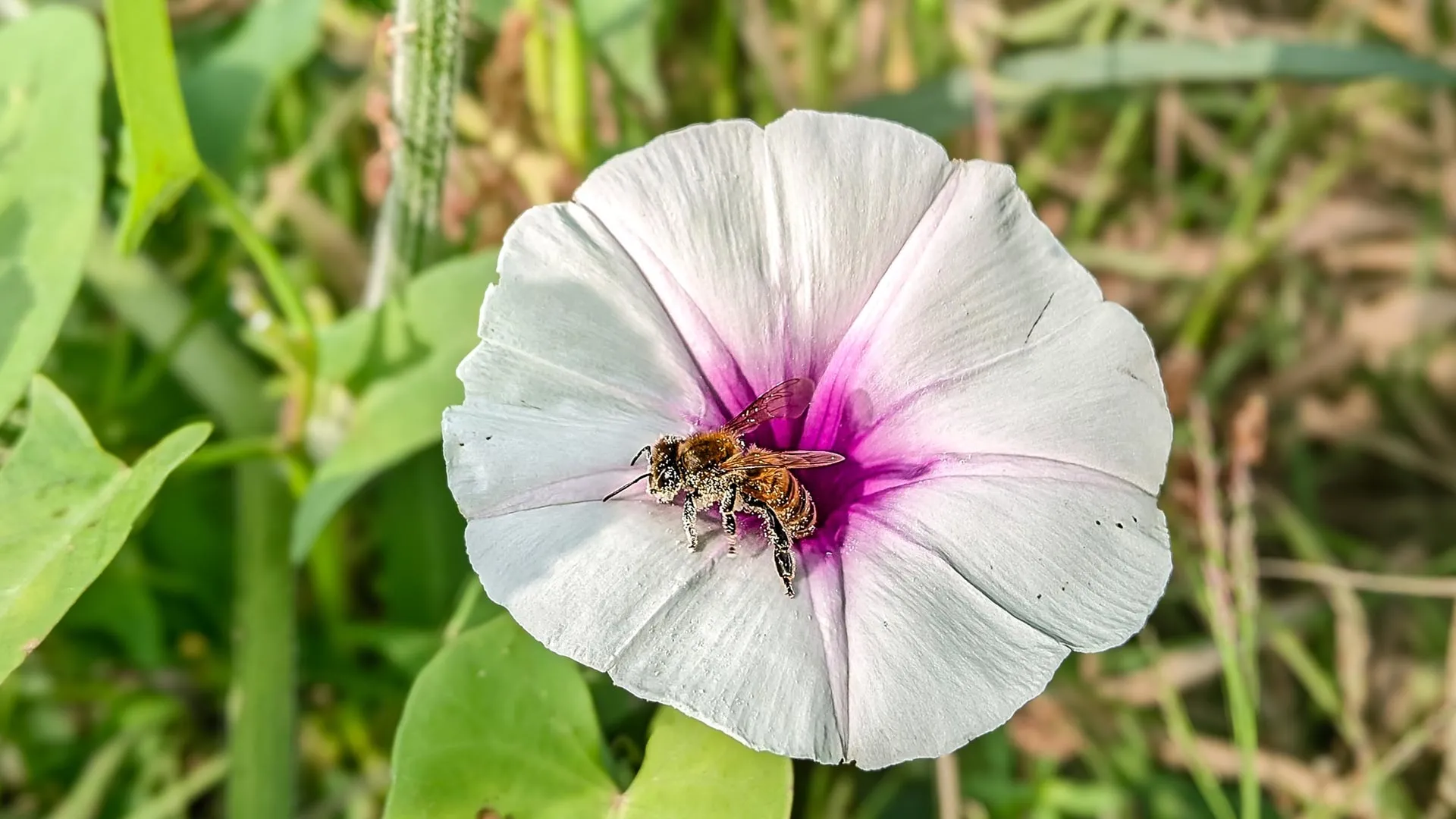
New research reveals that a common garden vine, the morning glory, is struggling to keep pace with rapid climate change, with its evolutionary rate dropping by roughly 96 percent over a nine‑year study period. The decline occurs even as the plants retain substantial genetic diversity, suggesting that external pressures—not a lack of raw material for adaptation—are stalling their response.
The study, conducted by a team of ecologists and evolutionary biologists, tracked multiple populations of morning glories across a gradient of temperature increase. Researchers measured changes in traits linked to both heat tolerance and pollinator attraction, finding that while the vines continued to produce flowers, the traits that would help them thrive under warmer conditions evolved far more slowly than expected.
One driving factor appears to be a dwindling pool of pollinators. As global temperatures rise, many insect species that traditionally visit morning glory flowers are either shifting their ranges or declining in numbers. The reduced pollinator presence creates a selective bottleneck: plants must balance the need to attract the fewer remaining visitors with the imperative to survive hotter, drier conditions. This tug‑of‑war can constrain the direction and speed of adaptive change.
Scientists caution that the slowdown observed in morning glories may be indicative of broader patterns among flowering plants. Many species rely on specific pollinator relationships, and when those insects disappear or become scarce, the evolutionary pathways available to the plants become limited. The findings underscore the interconnected nature of climate impacts, where temperature stress and ecosystem service loss reinforce each other.
The implications extend beyond academic interest. Morning glories are not only ornamental staples but also serve as nectar sources for a range of insects. If their capacity to adapt diminishes, the ripple effects could exacerbate pollinator declines further, creating a feedback loop that threatens biodiversity and agricultural productivity. Future research will aim to determine whether assisted gene flow, habitat restoration, or pollinator-friendly practices can help re‑ignite evolutionary momentum in these and other vulnerable plant species.


Comments (0)
Be the first to comment.
Join the discussion