Australian Online Listings Reveal Over $1 Million Worth of Elephant Ivory for Sale
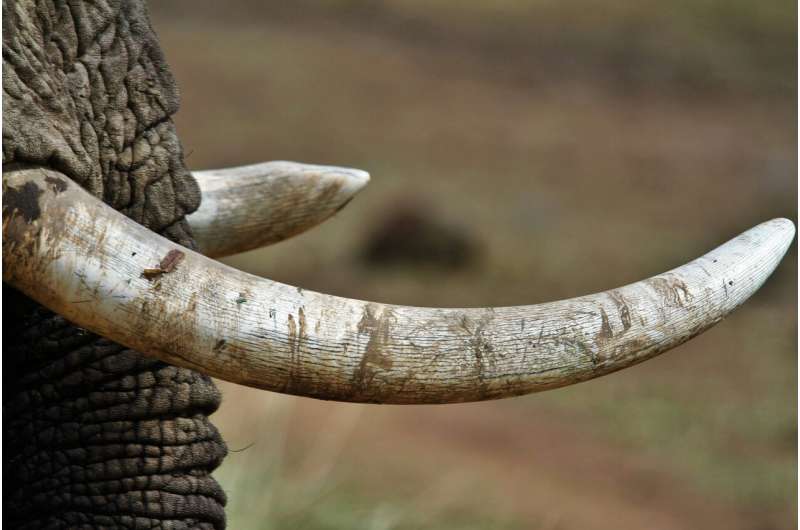
Research conducted by the University of Adelaide has uncovered a surprisingly active market for elephant ivory on Australian websites, with advertisements totaling more than one million Australian dollars. The study, which examined a broad sample of online classifieds and auction sites, found that the majority of listings provided no documentation to verify that the items were sourced legally.
The discovery challenges the common perception among Australians that the ivory trade ended decades ago following strict national bans and international agreements such as CITES. While the sale of newly acquired ivory is prohibited, the legal status of older stock—particularly items that may have been acquired before the bans—remains ambiguous. The university team noted that sellers rarely included provenance records, certificates, or any indication that the pieces complied with existing regulations.
Investigators identified a range of products, from carved figurines and jewelry to larger decorative objects, each priced in the hundreds to thousands of dollars. When the values of all listings were aggregated, the total exceeded A$1 million, suggesting a sizable demand among collectors despite the legal uncertainties. The researchers cautioned that the lack of verification could mask illicit imports or the illegal diversion of ivory from poaching hotspots in Africa.
Conservation groups have warned that online platforms can facilitate the laundering of wildlife products, making it harder for authorities to track and intercept illegal trade. The Australian government has previously tightened import controls and increased penalties for wildlife crime, yet the new findings highlight gaps in monitoring digital marketplaces. Experts suggest that stronger cooperation with e‑commerce sites, mandatory proof of legal acquisition, and enhanced reporting mechanisms could help close these loopholes.
While the study does not quantify the exact proportion of illegal ivory within the market, it underscores a persistent demand that could incentivize poaching if supply chains remain unchecked. Authorities are expected to review the findings and consider policy adjustments, potentially extending the scope of existing bans to cover all ivory regardless of age. For now, consumers are urged to exercise caution and verify the legality of any ivory product before purchase, as the line between lawful antiques and contraband remains blurred in the online arena.


Comments (0)
Be the first to comment.
Join the discussion