Microsoft Introduces Auto Super Resolution to ROG Xbox Ally X and X20 Handhelds
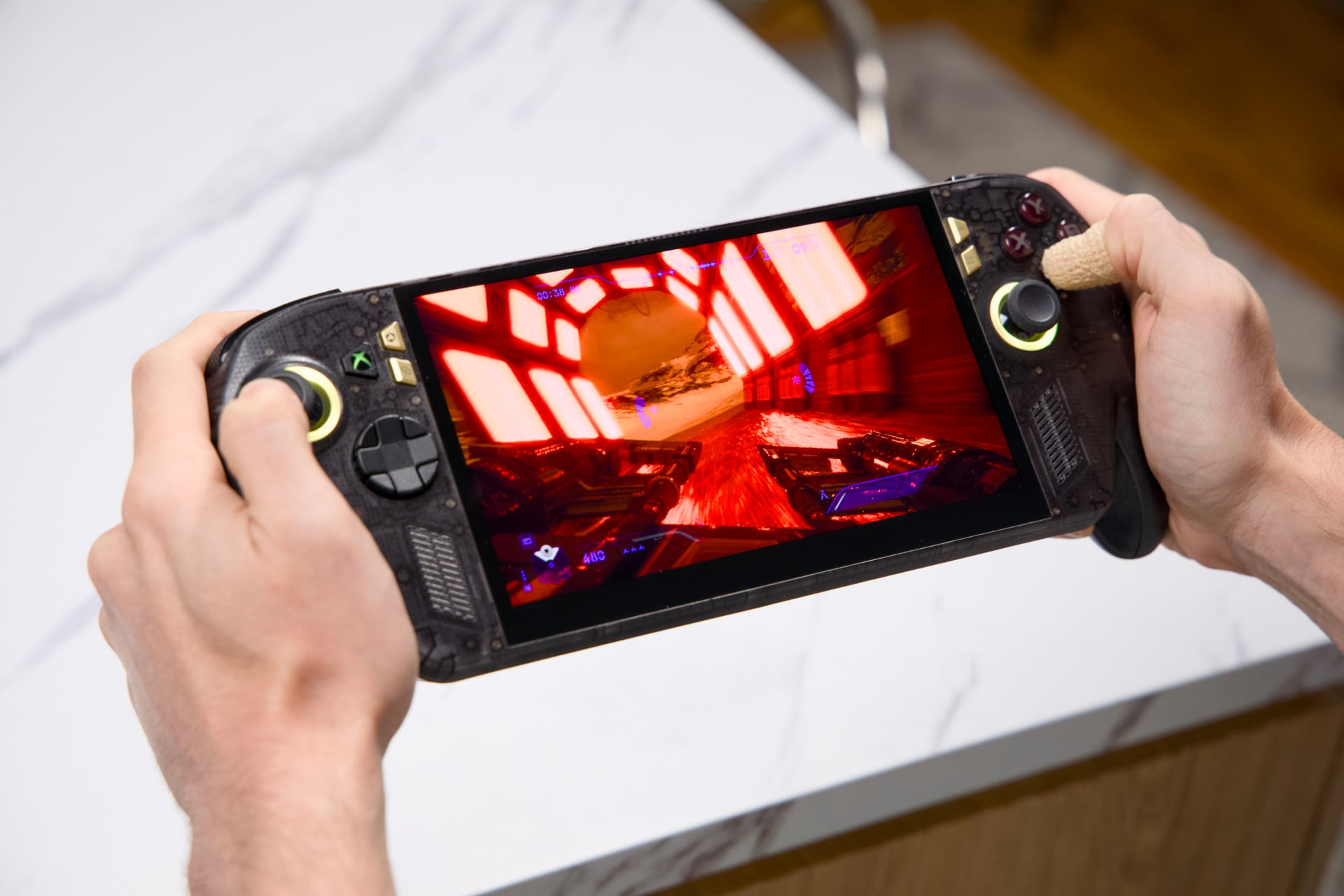
Microsoft has begun rolling out a new image‑upscaling technology called Auto Super Resolution to its high‑end ROG Xbox Ally X and Ally X20 handhelds. The feature, which leverages the devices’ built‑in neural processing unit (NPU), promises to sharpen lower‑resolution game output in real time, delivering clearer visuals without a noticeable hit to frame rate. The update arrives as part of the latest firmware push and is being made available to owners of the two premium models through the standard system update mechanism. Early reports indicate that the rollout is being phased globally, with most regions receiving the patch within the week.
Auto Super Resolution works by analyzing each frame with the NPU’s machine‑learning cores and reconstructing missing detail, a process similar to the upscaling found in modern televisions and PC graphics cards. Unlike traditional software scaling, the algorithm attempts to infer texture and edge information, effectively turning a 720p or 1080p source into an image that appears closer to native 1440p resolution on the Ally’s 1080p display. Microsoft says the implementation runs entirely on the dedicated NPU, keeping the main CPU and GPU free for gameplay tasks, which should preserve the handheld’s battery life and performance envelope.
The addition comes after several months of criticism that the Ally’s powerful NPU, originally marketed for AI‑driven features such as voice commands and image recognition, had seen limited real‑world use. Reviewers noted that most games on the device relied solely on the GPU, leaving the NPU idle. By deploying Auto Super Resolution, Microsoft is putting the specialized silicon to work, offering a tangible benefit that directly addresses a long‑standing complaint from the community of handheld gamers who expected more from the hardware’s advertised capabilities.
For players, the practical effect should be a noticeable boost in visual fidelity, especially in titles that run at lower native resolutions to maintain smooth performance on the portable platform. Early user impressions suggest sharper textures and reduced aliasing in fast‑paced shooters and open‑world adventures, while frame‑rate stability remains largely unchanged. The feature also aligns the Ally line with Microsoft’s broader console strategy, where similar upscaling technologies such as Xbox Series X|S’s FidelityFX Super Resolution have become standard tools for developers seeking to balance performance and image quality.
Looking ahead, Microsoft has hinted that Auto Super Resolution could be expanded to additional Ally models and possibly to future handhelds in the Xbox ecosystem. The company’s hardware roadmap emphasizes AI‑enhanced experiences, and the current rollout may serve as a testbed for more ambitious integrations, such as real‑time ray‑tracing assistance or adaptive resolution scaling. As the update reaches more users, market reaction will likely influence whether the NPU becomes a core differentiator for Microsoft’s portable gaming offerings.



Comments (0)
Be the first to comment.
Join the discussion