Microsoft Eyes Ultra‑Compact, Low‑Cost Surface Laptop Powered by New ARM Chip
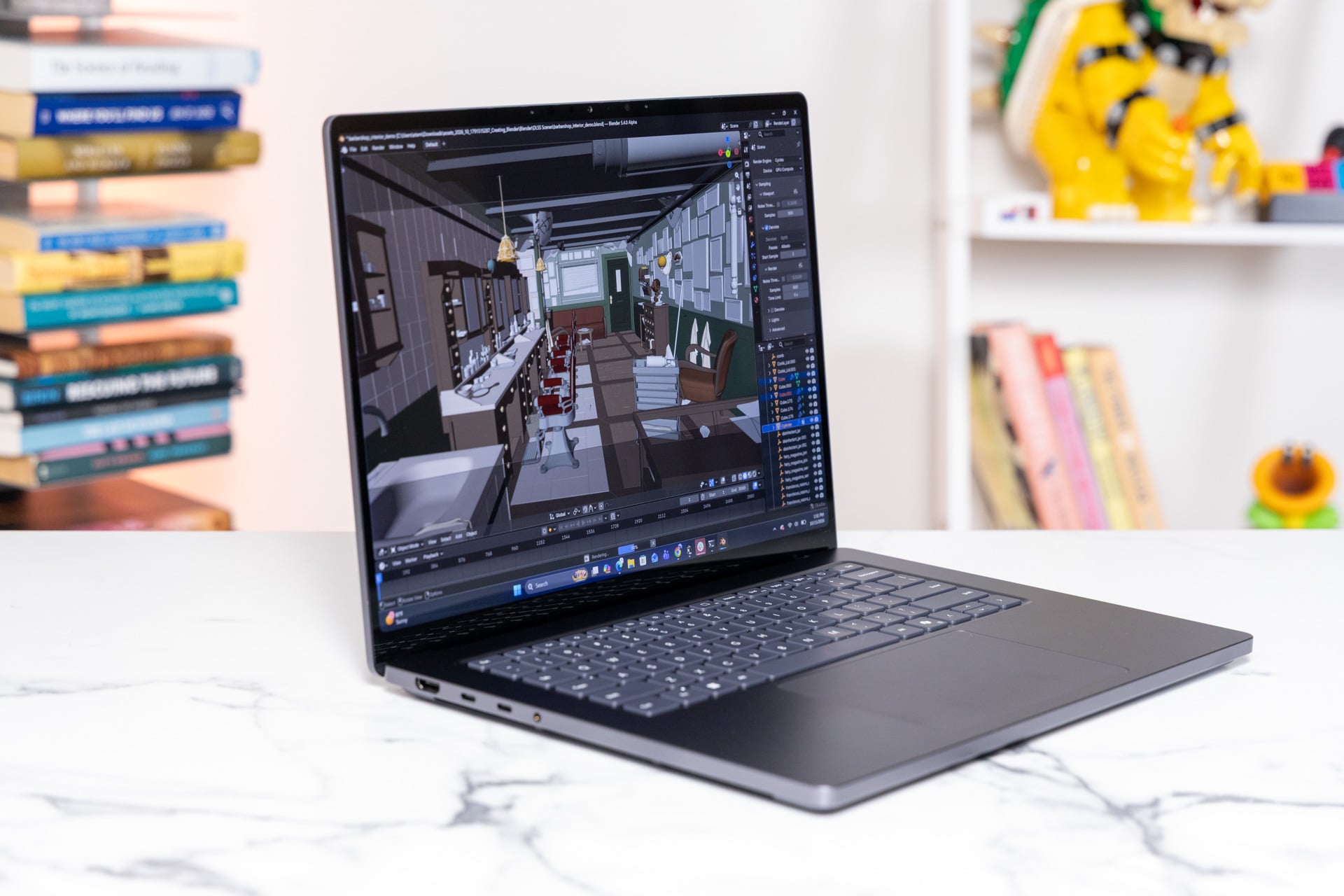
Microsoft is reportedly preparing a 12‑inch version of its Surface Laptop that could be powered by a fresh ARM‑based processor, a move that may dramatically lower the price tag of its premium notebook line. Industry watchers say the compact device would aim at students and budget‑conscious consumers, offering the full Windows experience in a form factor smaller than most current laptops.
The shift to another ARM chip follows Microsoft’s earlier foray with the Surface Pro X, which debuted a custom Microsoft SQ processor built on Qualcomm technology. ARM’s reputation for high performance per watt makes it an attractive choice for a smaller chassis, promising longer battery life without sacrificing the ability to run mainstream Windows applications through built‑in emulation layers.
Surface devices have traditionally been built around Intel’s x86 architecture, positioning them at the higher end of the market. By contrast, the rumored 12‑inch model would join a growing niche of Windows‑on‑ARM devices that aim to compete directly with low‑cost Chromebooks and Android tablets. If priced competitively, the new Surface could broaden Microsoft’s reach into education and emerging markets where price sensitivity is paramount.
What adds intrigue to the story is the suggestion that the laptop’s manufacturing could be handled by a company not typically linked with Microsoft’s hardware lineup. Sources indicate a contract manufacturer known for producing a range of consumer electronics may be assembling the device, leveraging its expertise in high‑volume, cost‑efficient production. This partnership could explain how Microsoft hopes to keep the retail price well below that of its current Surface offerings.
Affordability could be a game‑changer for the Surface brand, which has often been praised for design and build quality but critiqued for premium pricing. A lower‑cost entry point would give Windows‑based laptops a stronger foothold against rivals that dominate the sub‑$500 segment, especially in school districts that have standardized on Chromebooks. Moreover, an ARM‑powered Surface would benefit from the architecture’s integrated graphics and reduced thermal demands, potentially allowing for thinner bezels and a lighter overall package.
While Microsoft has not confirmed any details, analysts expect the device could appear in the next product cycle, possibly as early as the second half of the year. Observers will be watching for official specifications, pricing, and the identity of the manufacturing partner, all of which will shape how the new Surface fits into Microsoft’s broader hardware strategy. If the rumors hold true, the 12‑inch ARM Surface Laptop could mark a pivotal step toward a more inclusive Windows ecosystem.


Comments (0)
Be the first to comment.
Join the discussion