Microsoft CEO Calls for Pause to Re‑Evaluate AI Trust Framework
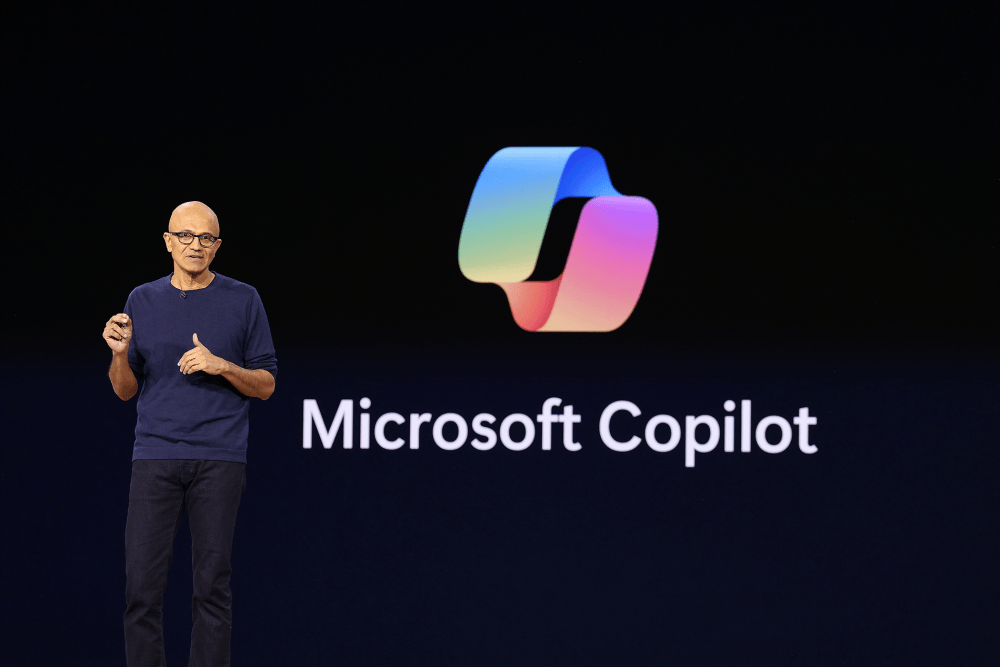
Microsoft chief executive Satya Nadella used a Saturday‑morning social media post to urge a broader industry pause on artificial‑intelligence development until the sector’s "trust architecture" can be reassessed. In a brief statement, Nadella described the need for an "emergency brake" that would give companies, regulators and the public a chance to gauge the safety and reliability of increasingly powerful AI models.
The appeal comes amid growing concerns over the speed at which large language models and generative tools are being deployed. High‑profile missteps—ranging from biased outputs to the inadvertent generation of disallowed content—have sparked calls for stronger oversight. Nadella’s remarks echo a sentiment shared by other tech leaders that the current rollout pace outstrips the mechanisms needed to ensure responsible use.
Microsoft, which has integrated AI features across its Azure cloud services, Office suite and developer tools, has been a vocal participant in shaping policy discussions. The company recently pledged to embed safety mitigations into its AI offerings and to work with policymakers on standards that balance innovation with accountability. Nadella’s latest comment signals that the firm sees a temporary slowdown as a prudent step rather than a retreat from AI ambition.
Industry observers note that the call for an "emergency brake" aligns with ongoing regulatory initiatives, such as the European Union’s AI Act and emerging U.S. proposals that would require risk assessments and transparency disclosures for high‑risk systems. By urging a collective reassessment, Microsoft may be positioning itself to influence forthcoming rules while also protecting its own investments from potential backlash.
Looking ahead, Nadella did not outline a specific timeline for the suggested pause, but his message implies that future development cycles will likely incorporate more rigorous testing and governance checkpoints. Analysts expect that Microsoft will continue to champion internal safeguards—like model‑level monitoring and user‑feedback loops—while collaborating with peers to define industry‑wide safety standards. The CEO’s call for a reflective moment underscores a broader shift: as AI capabilities expand, the pressure to embed trust at the core of technology is becoming a strategic imperative for the sector.



Comments (0)
Be the first to comment.
Join the discussion