Microplastics Trigger Reactive Molecules in Water, Raising New Health Concerns
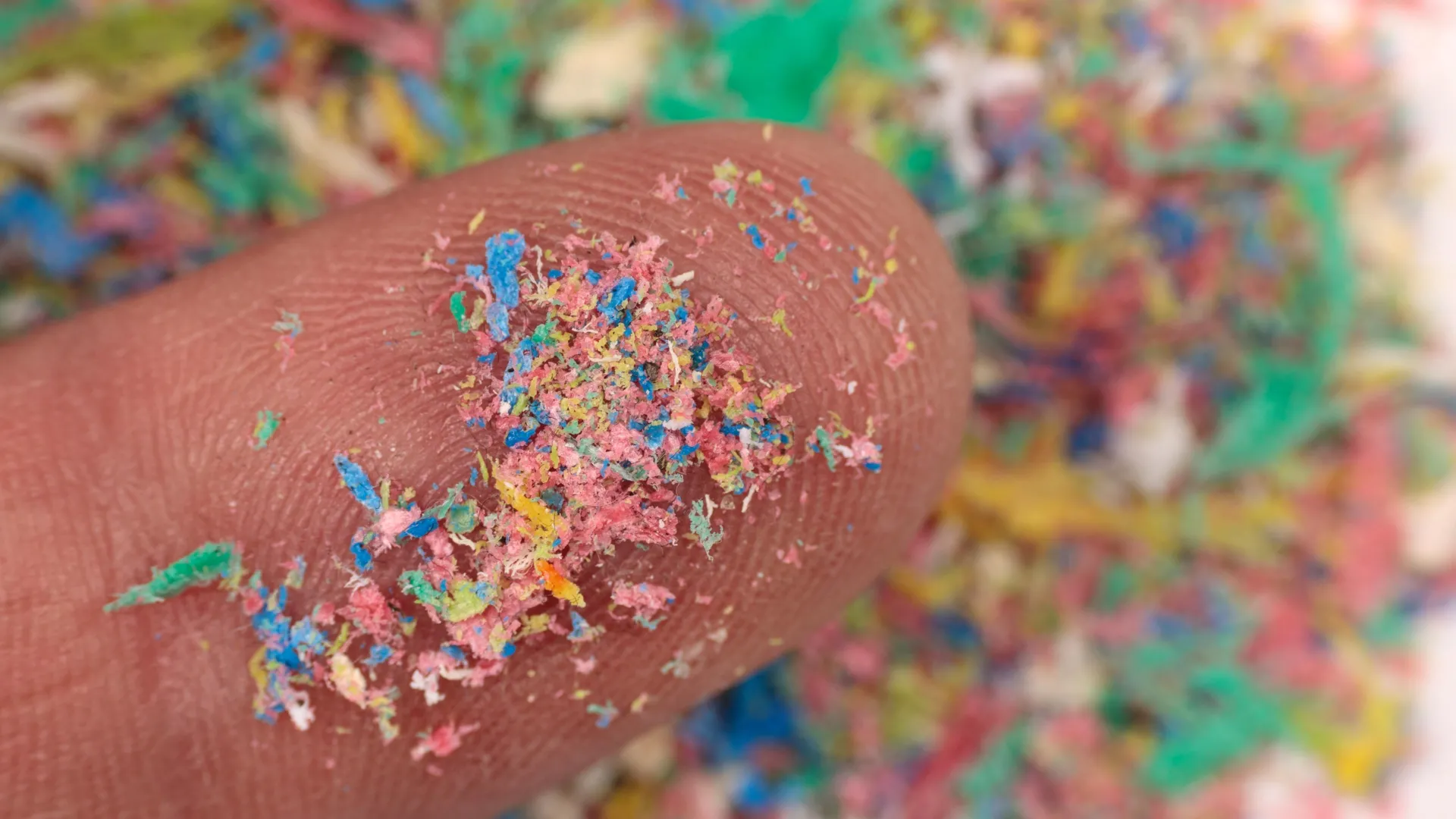
Scientists have uncovered a previously unknown chemical pathway by which microscopic fragments of plastic can become hazardous to human health. In laboratory experiments, researchers observed that when common microplastic particles are suspended in water, they facilitate the formation of highly reactive molecules capable of damaging cells and tissues.
The study, conducted by a team of chemists and toxicologists, involved exposing various types of microplastics to aqueous environments that mimic conditions inside the human body. Advanced analytical techniques revealed that the plastic surfaces catalyze the generation of reactive oxygen species, a class of compounds known for their ability to oxidize biological molecules and disrupt normal cellular function.
Prior to this work, the primary concern surrounding microplastics centered on their physical presence—accumulating in organs, potentially acting as carriers for pollutants, and causing mechanical irritation. The new findings suggest that the danger extends beyond mere accumulation. By producing reactive chemicals, microplastics may initiate oxidative stress, a process linked to inflammation, DNA damage, and a range of chronic diseases.
The implications of the discovery are broad. If similar reactions occur in real-world exposure scenarios—through drinking water, seafood, or other ingestion routes—the public health impact could be more significant than previously estimated. Regulators and environmental agencies may need to reassess risk assessments that have largely focused on particle size and concentration, incorporating chemical reactivity as an additional metric.
Researchers stress that the work is an early step toward understanding the full scope of microplastic toxicity. Ongoing studies aim to determine how different polymer types, particle shapes, and environmental conditions influence the generation of reactive molecules. Meanwhile, the findings add urgency to efforts to reduce plastic waste, improve water treatment technologies, and develop safer materials that do not trigger harmful chemical reactions.


Comments (0)
Be the first to comment.
Join the discussion