Mercedes-Benz Introduces Holographic HUD, Redefining Luxury Car Interiors
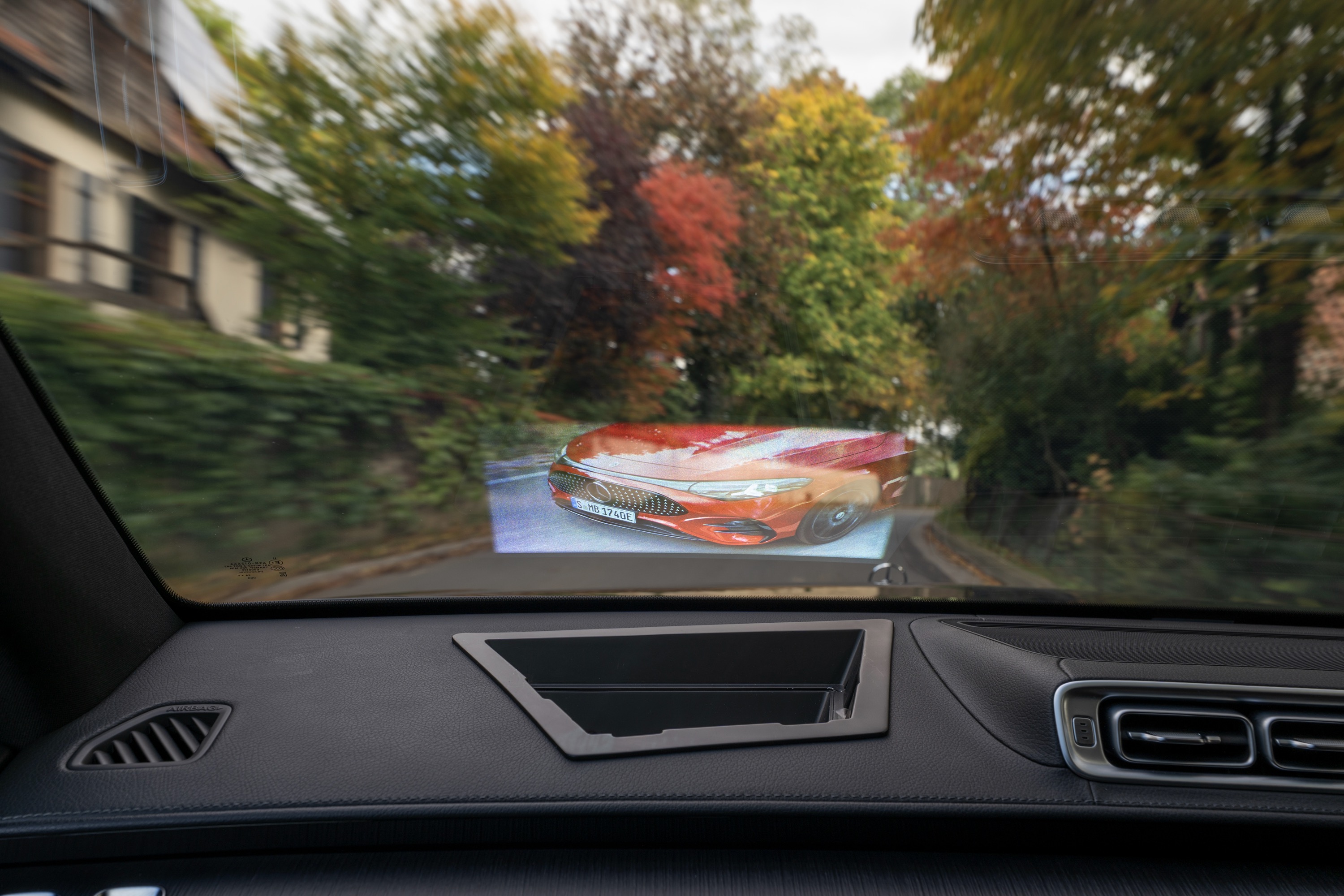
Mercedes-Benz unveiled a holographic heads‑up display (HUD) that projects critical driving data onto a glass pane above the windshield, marking a shift from conventional flat screens to three‑dimensional visual cues inside premium vehicles.
The move follows a broader industry trend where digital screens are becoming the hallmark of high‑end automotive cabins. Over the past few years, manufacturers have expanded screen real estate from a single infotainment panel to multiple touchpoints across the dash, center console, and even the steering wheel, turning the interior into a dynamic digital cockpit.
Unlike earlier HUDs that simply overlay basic speed and navigation symbols, the new Mercedes system uses laser‑based projection to create floating images that appear to hover in the driver’s line of sight. The display can adjust depth and size in real time, allowing information such as speed limits, navigation arrows, and driver‑assist alerts to be rendered with a sense of spatial depth that reduces the need to look away from the road.
Traditional HUDs have been limited by brightness and resolution constraints, often struggling to remain legible under direct sunlight. The holographic approach leverages a high‑resolution micro‑display and a series of diffractive optics to boost clarity while maintaining low power consumption, a key consideration for electric‑driven models where efficiency is paramount.
Analysts see the technology as a differentiator in the fiercely competitive luxury segment, where automakers vie to offer the most futuristic cabin experience. By integrating a holographic interface, Mercedes‑Benz positions itself as a pioneer, potentially prompting rivals to accelerate their own research into augmented reality displays.
Cost and production scalability remain open questions. Advanced optics and laser modules add complexity to the supply chain, and early adopters may face a premium price tag. Nonetheless, the company plans to roll the system out across its flagship S‑Class and EQ models within the next model year, suggesting confidence in the technology’s commercial viability.
If the holographic HUD gains traction, it could redefine driver‑vehicle interaction standards, pushing the industry toward more immersive, glance‑free interfaces. The next phase may involve integration with external sensors to overlay real‑time road conditions, further blurring the line between the physical and digital driving environment.


Comments (0)
Be the first to comment.
Join the discussion