Mastering Tasks: How Intense Training Physically Reconfigures the Brain for Efficiency
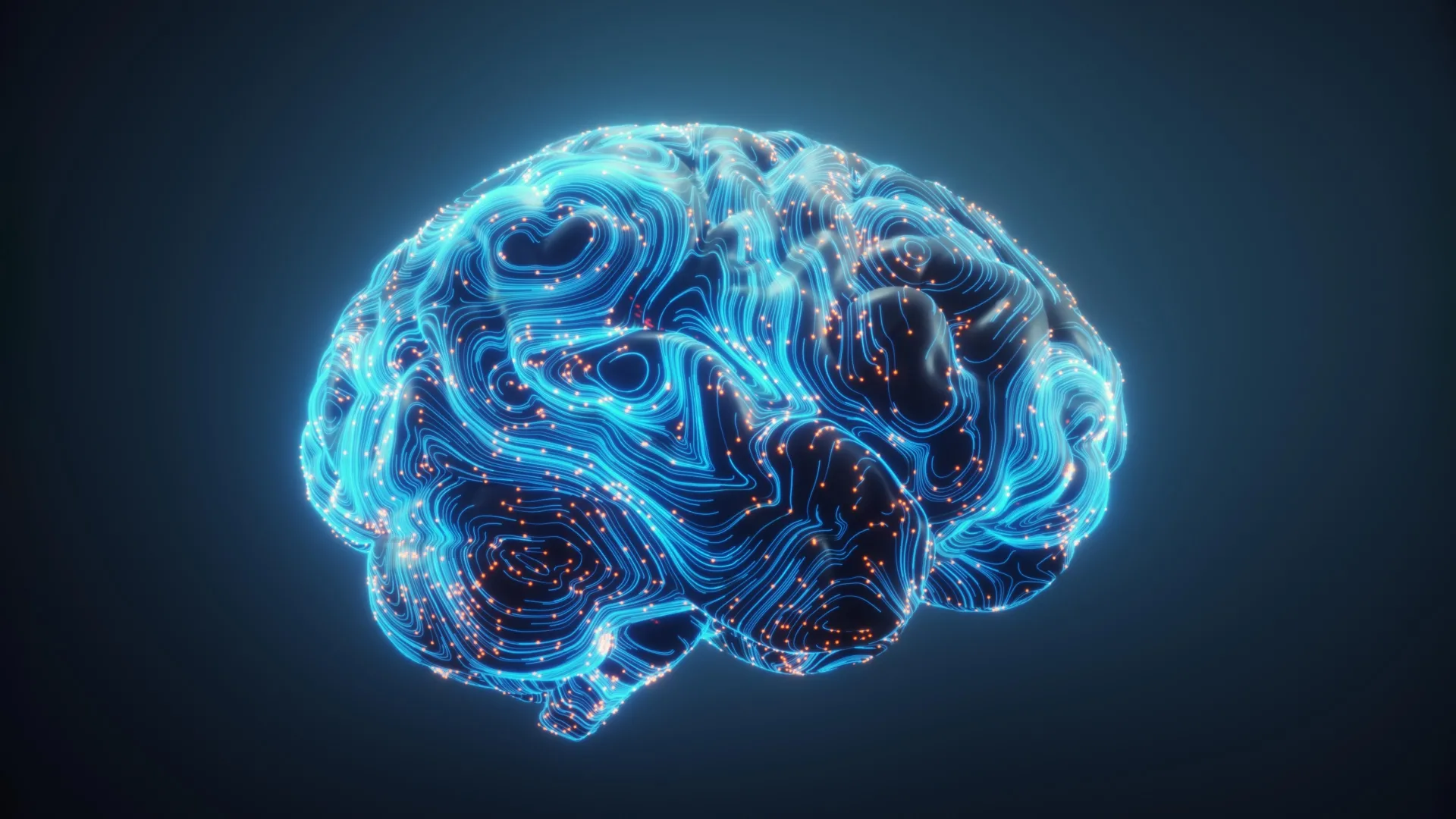
New research indicates that rigorous practice does more than merely improve performance; it fundamentally alters the physical structure of the brain. Scientists have uncovered a mechanism by which extensive training can reorganize neural pathways, allowing complex, learned tasks to be executed with greater efficiency and freeing up the brain's primary cognitive resources.
The key finding suggests that deeply ingrained skills, through repeated exposure and practice, eventually bypass the prefrontal cortex—often referred to as the brain's “thinking” center. Instead of requiring conscious, executive control, these tasks become routed through specialized neural circuits, operating with a higher degree of automaticity.
This rerouting has profound implications for understanding human multitasking capabilities. By offloading routine yet complex actions to these dedicated pathways, the prefrontal cortex becomes less burdened. This liberation allows individuals to simultaneously engage in other demanding cognitive processes or to focus on novel aspects of a situation, effectively enabling a form of true multitasking that was previously thought to be more limited.
The discovery challenges and refines existing notions of neural plasticity, highlighting that the brain's adaptability extends beyond mere functional changes to include significant physical reorganization. It underscores that skill acquisition is not just about refining existing connections but about creating entirely new, more efficient operational frameworks within the brain.
Historically, brain plasticity has been understood as the brain's ability to change and adapt throughout life. This latest research provides a specific, detailed mechanism explaining how consistent effort can lead to such a profound shift, transforming tasks from effortful, conscious endeavors into almost unconscious, automatic processes.
These findings could have far-reaching implications across various fields. In education, it may inform strategies for more effective learning and skill development. For professional training, particularly in high-stakes environments, understanding this neural reorganization could lead to optimized training protocols designed to embed critical skills more deeply and efficiently.
Ultimately, this research opens new avenues for exploring the intricacies of human learning and cognitive capacity. By illuminating how the brain physically adapts to mastery, scientists can further investigate the optimal conditions for training and potentially develop interventions that leverage these inherent reorganizational abilities for enhanced cognitive function and rehabilitation.


Comments (0)
Be the first to comment.
Join the discussion