Zuckerberg’s Surprise ‘One More Thing’ Turns Out to Be an AI‑Powered Keychain
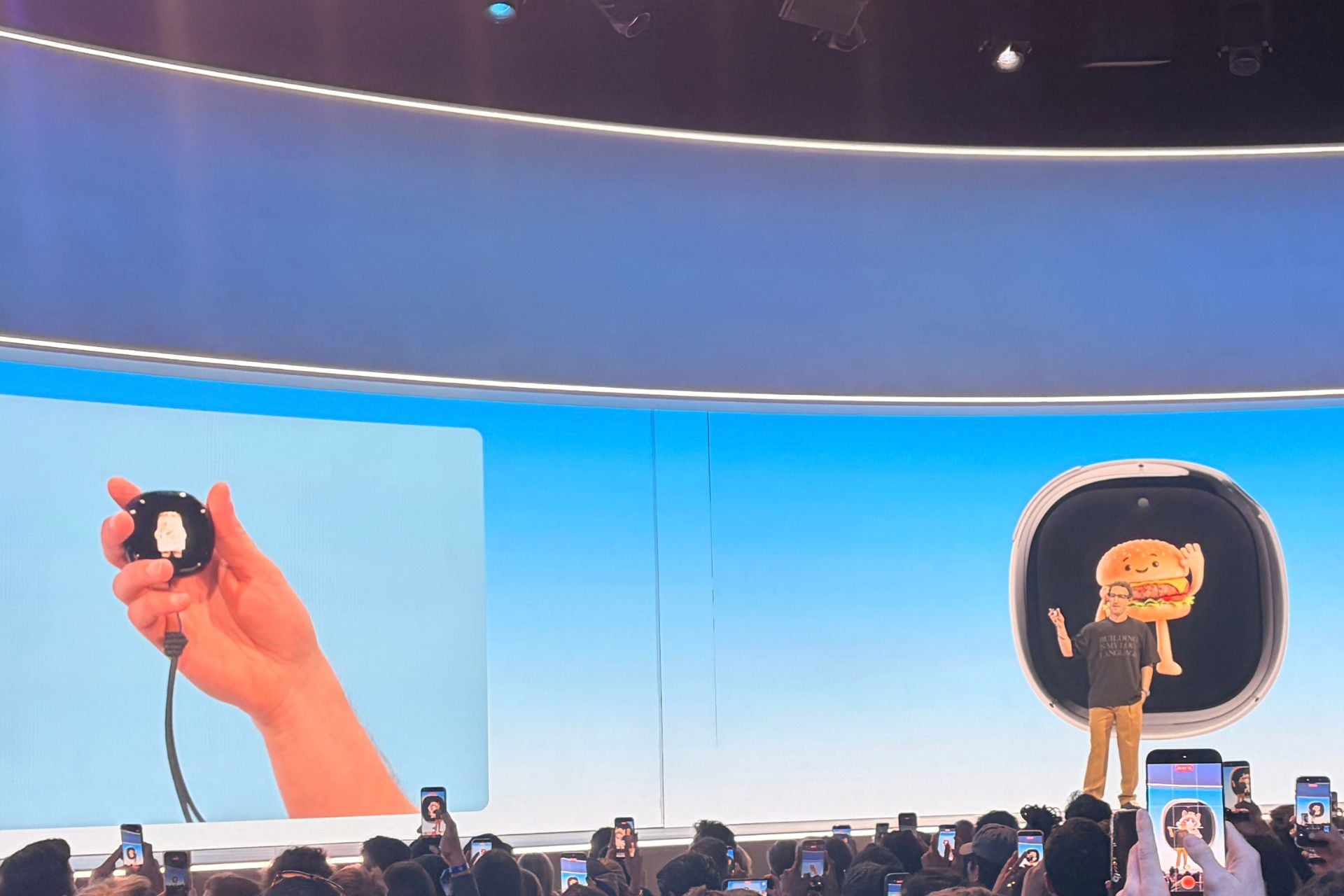
At a live‑streamed event that promised a "One More Thing" surprise, Meta CEO Mark Zuckerberg unveiled a compact device that resembles a traditional keychain but is packed with artificial‑intelligence capabilities, shifting the focus from the large‑scale hardware many expected.
The announcement, which followed months of speculation about new augmented‑reality glasses or a next‑generation headset, left viewers surprised by the modest form factor. Zuckerberg highlighted the device as a "personal AI companion" that can be attached to a keyring, bag, or clothing, emphasizing convenience over spectacle.
According to the demonstration, the keychain incorporates a voice‑activated assistant capable of answering questions, summarizing messages, and interfacing with Meta’s ecosystem of apps. The hardware reportedly includes a low‑power processor designed for on‑device inference, reducing reliance on cloud services and aiming to protect user privacy. While pricing and battery life were not disclosed, the prototype appeared to run on a small rechargeable cell, suggesting a focus on everyday utility rather than premium pricing.
The product reflects Meta’s broader pivot toward AI as a central pillar of its strategy after recent investments in large language models and generative tools. By embedding AI in a low‑cost accessory, the company may be testing consumer appetite for ubiquitous, always‑on assistants before committing to more expensive hardware launches. Industry observers note that the move aligns with a trend of tech firms repurposing AI for everyday objects, from smart earbuds to AI‑enhanced wearables.
Analysts predict that the keychain could serve as a gateway to a larger suite of AI‑driven services, potentially feeding data back to improve Meta’s broader platform offerings. If the device gains traction, it may prompt competitors to explore similar ultra‑portable AI gadgets. The next steps for Meta will likely involve refining the assistant’s capabilities, expanding language support, and possibly integrating the hardware with upcoming software updates, positioning the keychain as an entry point to the company’s evolving AI ecosystem.



Comments (0)
Be the first to comment.
Join the discussion