Malaysia Declares State of Emergency in Sarawak’s Serian District Amid Escalating Haze Crisis
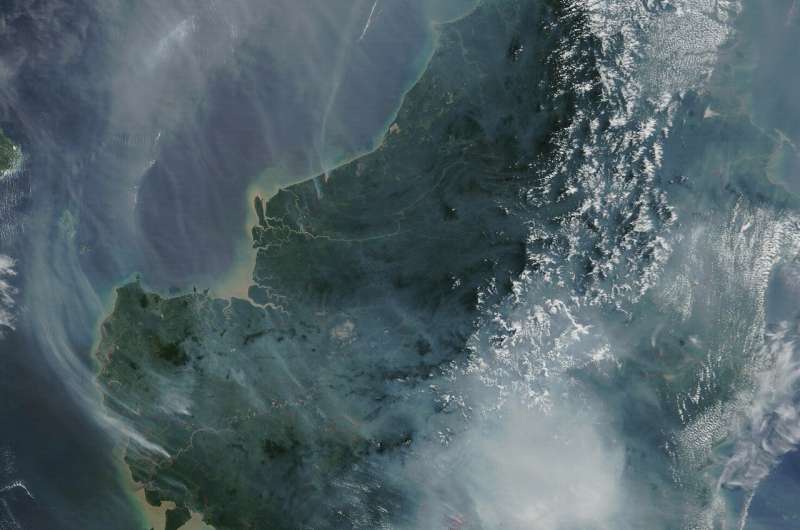
Kuala Lumpur’s Prime Minister's Office announced an emergency declaration for the Serian division of Sarawak on the island of Borneo after air quality indices surged to hazardous levels, driven by thick haze originating from fires across the border in Indonesia.
Measurements taken by Malaysia’s Department of Environment recorded particulate matter (PM2.5) concentrations well above the World Health Organization’s safe threshold, prompting health officials to advise residents to limit outdoor activities, stay indoors where possible, and use protective masks. Schools in the affected area were temporarily closed, and public transport operators were instructed to monitor routes for visibility concerns.
The haze episode is part of a recurring seasonal pattern that has plagued Southeast Asia for years, typically linked to slash‑and‑burn agricultural practices and uncontrolled peatland fires in Sumatra and Kalimantan. During dry months, prevailing winds can carry smoke across the Strait of Malacca, blanketing neighboring countries with thick, toxic smog. In recent weeks, satellite data have shown a marked increase in fire hotspots in Indonesia’s Riau and Jambi provinces, correlating with the spike in pollution levels reported in Sarawak.
In response to the emergency, Malaysian authorities have activated contingency plans that include the distribution of N95‑type respirators to vulnerable groups, deployment of air‑monitoring stations to track pollutant levels in real time, and coordination with the National Disaster Management Agency to provide medical assistance for respiratory complaints. The emergency status also grants state officials broader powers to enforce temporary restrictions on outdoor burning and to mobilise additional resources for fire‑fighting efforts in the border region.
Regional cooperation remains a critical component of any long‑term solution. Malaysia, Indonesia and Singapore have previously convened under the ASEAN Coordinating Centre for Combating Transboundary Haze Pollution to address the root causes of the smoke. The current emergency is expected to accelerate diplomatic talks aimed at strengthening cross‑border fire‑prevention measures, improving satellite surveillance, and securing funding for sustainable land‑use practices that reduce reliance on open‑flame clearing. As authorities monitor the situation, residents are urged to stay informed through official channels and to follow health advisories until air quality returns to safer levels.


Comments (0)
Be the first to comment.
Join the discussion