Make America Health Again Stumbles After Democrats’ Midterm Sweep, Future Uncertain
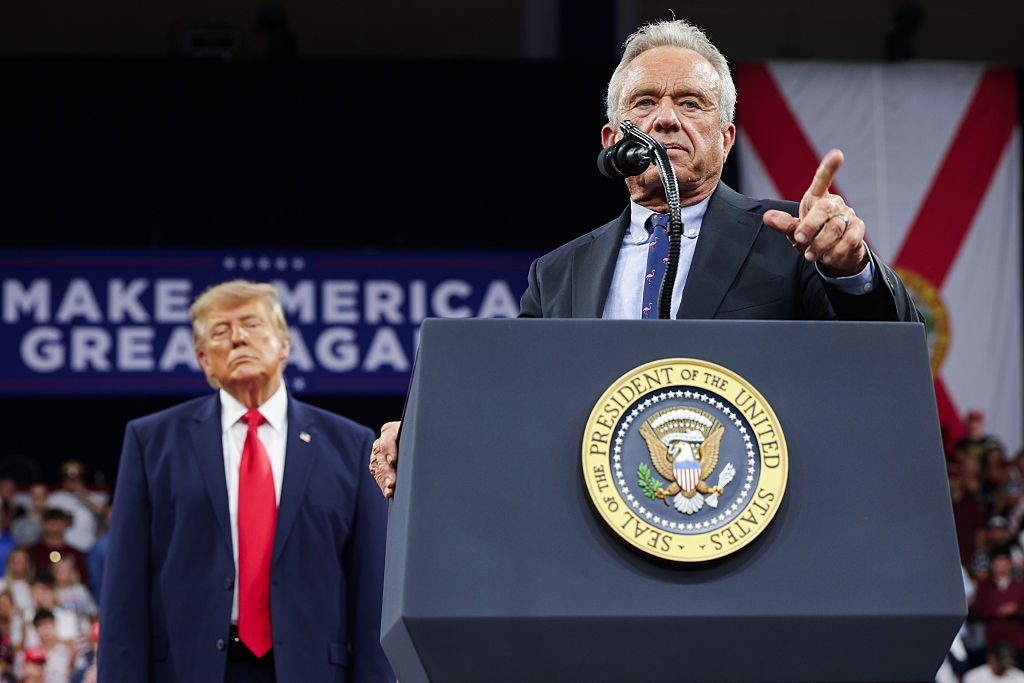
Tuesday’s nationwide midterm elections delivered a decisive victory for Democrats, who outperformed Republican opponents in a wave that political analysts are calling unprecedented. At the same time, the Make America Health Again (MAHA) coalition, long associated with anti‑vaccine activism and a handful of health‑policy candidates, suffered a crushing defeat that has sparked debate about its viability moving forward.
MAHA emerged in the early pandemic years as a loosely organized network of activists opposed to federal vaccine mandates and other public‑health measures. Its founder, an outspoken anti‑vaccine campaigner who later assumed a role as a health‑policy spokesperson, positioned the group as a political force, endorsing candidates, funding ads, and staging rallies that framed pandemic response as an infringement on personal liberty.
The recent midterms marked a turning point for the movement. Candidates backed by MAHA lost in multiple congressional districts, and the coalition failed to secure any of the state legislative seats it targeted. While exact vote margins vary by race, the pattern was clear: MAHA‑aligned contenders were unable to attract enough support to overcome the broader Democratic surge that swept many traditionally competitive districts.
Political observers point to several factors behind the setbacks. Voter fatigue over pandemic‑related controversy, combined with a renewed emphasis on science‑based public health, appears to have reduced the appeal of anti‑vaccine rhetoric. Additionally, Democratic campaign strategies that highlighted healthcare access and pandemic recovery resonated with a electorate still coping with the economic and social fallout of COVID‑19.
The defeats raise practical concerns for MAHA’s future. The movement’s fundraising, heavily tied to high‑visibility campaigns, may contract without electoral wins to showcase influence. Moreover, the loss of institutional footholds in legislatures could limit its ability to shape health policy directly, forcing a reassessment of tactics ranging from grassroots organizing to legal challenges.
Looking ahead, MAHA’s leaders have signaled an intent to regroup, suggesting a possible shift toward broader “health‑freedom” messaging that extends beyond vaccines to issues such as telemedicine regulation and medical‑choice legislation. Whether the coalition can reinvent itself and regain relevance will depend on its capacity to adapt to a political landscape where mainstream parties have reclaimed the narrative on pandemic response.



Comments (0)
Be the first to comment.
Join the discussion