Magnetic Microrobots Accelerate Blood-Clot Dissolution in Early Animal Trials
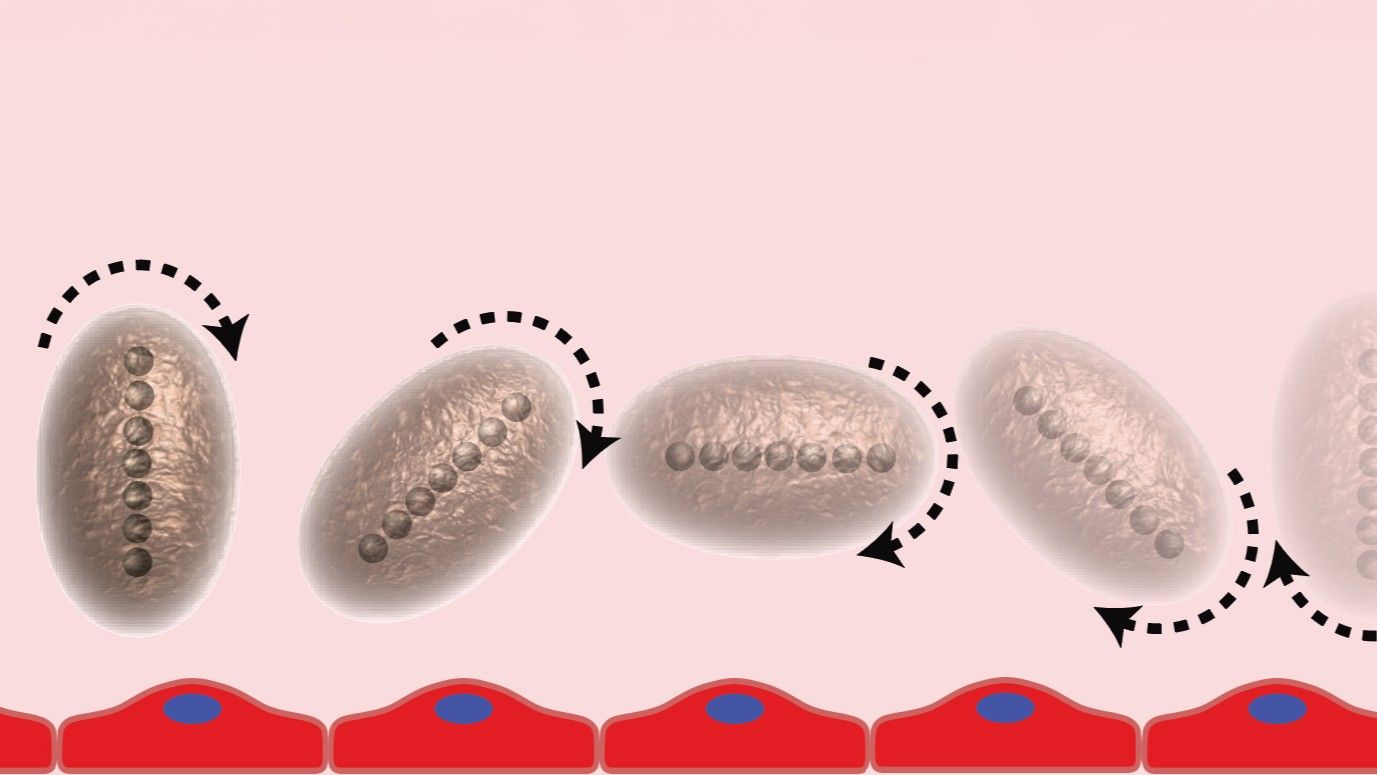
Researchers have demonstrated that tiny, magnetically guided robots can move through blood vessels and dramatically speed up the breakdown of clots, with early experiments in pigs showing dissolution rates roughly ten times faster than standard drug therapy alone.
The devices, only a few micrometres across, are engineered to tumble and roll under the influence of an external magnetic field. By adjusting the field’s strength and orientation, scientists can steer the swarm of microrobots toward a clot, where they act as microscopic conveyer belts, pushing thrombolytic medication directly into the obstruction.
Current treatment of dangerous clots typically relies on systemic delivery of clot‑busting drugs or invasive catheter procedures. While effective in many cases, systemic dosing can increase the risk of bleeding elsewhere in the body, and catheters cannot always reach clots lodged deep within the vascular network.
In the recent study, laboratory pigs were fitted with induced arterial clots that mimicked those seen in stroke or heart attack patients. After administering a standard dose of a thrombolytic agent, investigators introduced the magnetic microrobots into the bloodstream and applied a controlled magnetic field to guide them to the clot site. Imaging showed that the robots gathered around the blockage and swept the drug into its core, resulting in clot resolution in a fraction of the time required by drug treatment without robots.
The accelerated clearance suggests that microrobotic assistance could allow clinicians to use lower drug doses, potentially reducing side‑effects such as hemorrhage while still achieving rapid reperfusion of tissue.
Despite the promising results, several hurdles remain before the technology can be considered for human use. Researchers must demonstrate long‑term biocompatibility, ensure that the robots can be safely cleared from the body or rendered inert, and develop reliable magnetic navigation systems that function across the varied anatomy of patients.
The team plans to expand testing to larger animal models and to refine the magnetic control algorithms to improve targeting precision. Integration with real‑time imaging modalities, such as MRI or ultrasound, could provide clinicians with immediate feedback on robot position and clot status.
If these challenges are addressed, magnetic microrobots could become a versatile platform for delivering therapeutics to hard‑to‑reach sites, not only for clot dissolution but also for targeted drug delivery in cancer, infection, or vascular repair, marking a significant step forward in the field of nanomedicine.


Comments (0)
Be the first to comment.
Join the discussion