DNA Breakthrough Connects British Royals to Solving the Romanov Mystery After 70 Years
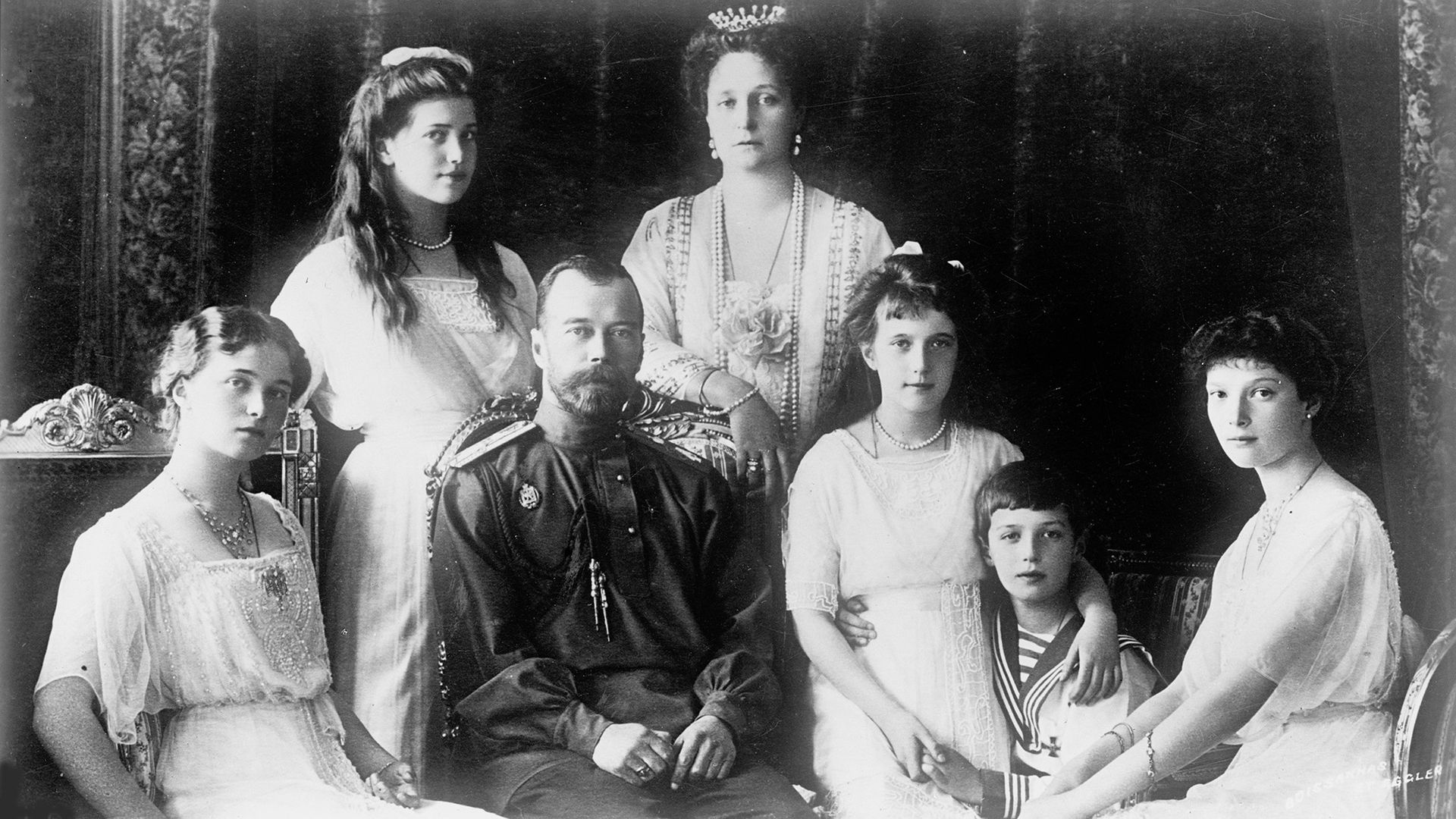
Scientists have finally confirmed the identities of the Romanov family members who were executed in 1918, closing a chapter that has lingered for more than seven decades. The breakthrough came from DNA analysis that linked the remains to living descendants of the British royal family, underscoring the historical ties between the two dynasties.
In the chaotic spring of 1917, the Russian Revolution forced Tsar Nicholas II to abdicate, and his family was moved from the capital to a remote outpost in the Ural region. While the British monarch, King George V—Nicholas's first cousin—initially considered offering asylum, the British government ultimately withdrew its offer, leaving the Romanovs vulnerable to the revolutionary forces that soon took control.
The fate of the imperial family remained shrouded in mystery for decades. Rumors of survivors persisted, and numerous exhumations produced partial skeletal remains that could not be conclusively identified. It was not until the early 1990s that a mass grave was uncovered near Yekaterinburg, prompting forensic teams to apply emerging genetic techniques.
Using mitochondrial DNA extracted from the bones and comparing it with living relatives, including members of the British royal lineage, researchers were able to match the genetic profiles with a high degree of certainty. The analysis confirmed that the remains belonged to Nicholas II, his wife Alexandra, and three of their five children, resolving long‑standing speculation about their ultimate fate.
The discovery has broader implications for both historical scholarship and diplomatic memory. It highlights how familial connections across Europe influenced political decisions during the tumult of World War I and the Russian Revolution, and it demonstrates the power of modern science to settle historical controversies. Future work may focus on locating the remains of the two missing children, whose graves have yet to be found, and on further exploring the complex web of royal relationships that shaped early‑20th‑century geopolitics.


Comments (0)
Be the first to comment.
Join the discussion