UC San Diego Team Shows Enzyme Can Read Expanded Eight‑Letter DNA Alphabet
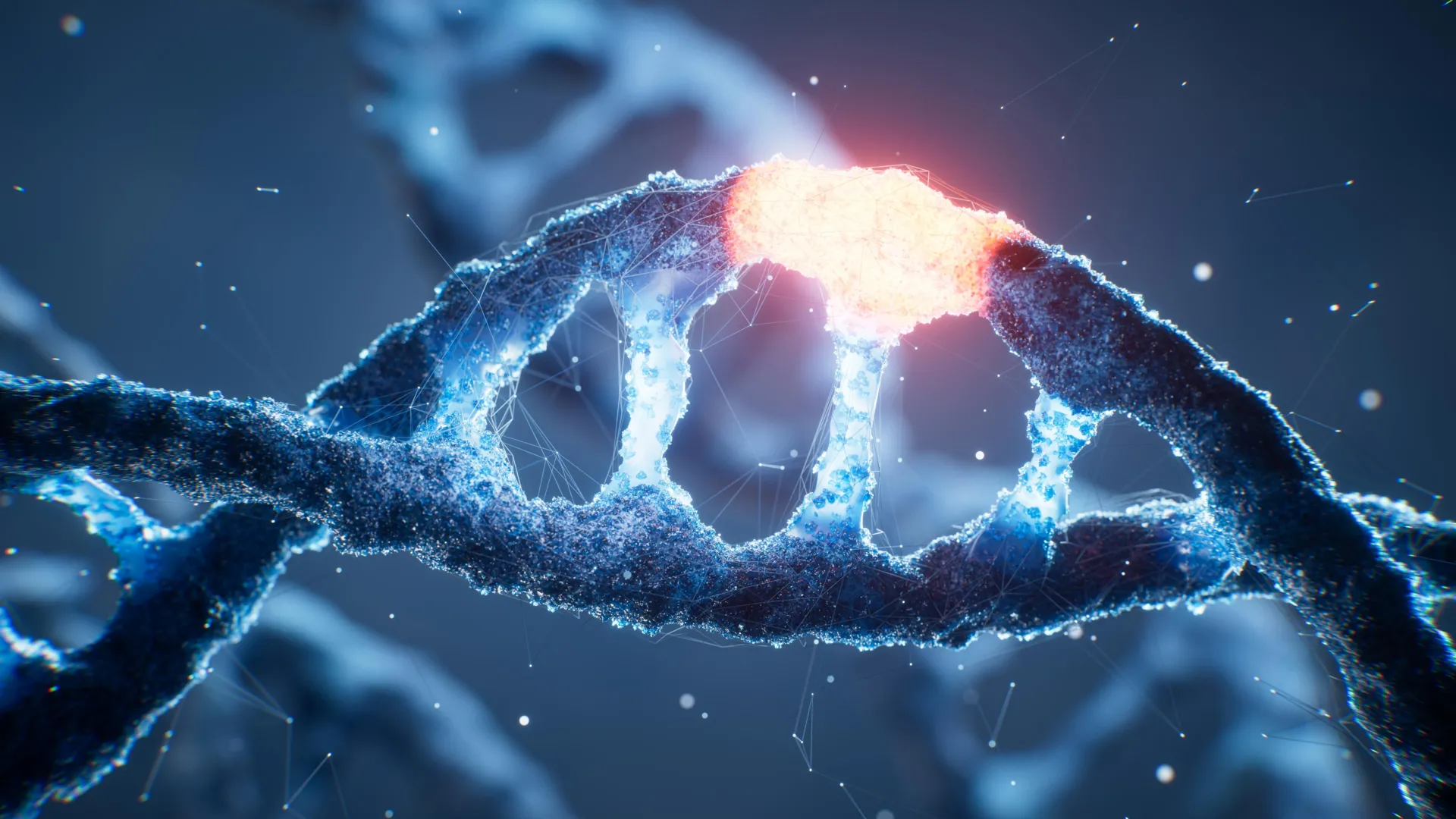
Scientists at the University of California, San Diego have demonstrated that a fundamental cellular enzyme can accurately interpret a genetic code that uses eight distinct nucleobases, effectively doubling the four-letter alphabet that underpins all known life. The finding, reported in a recent study, marks a significant step toward synthetic genomes that can store and process more information than natural DNA.
All living organisms rely on a quartet of nucleotides—adenine, thymine, cytosine and guanine—to encode genetic instructions. Over the past two decades, chemists have engineered additional synthetic bases that can pair with one another, creating the possibility of an expanded genetic repertoire. However, whether the core machinery of the cell could recognize and faithfully transcribe these artificial letters remained uncertain.
In the new work, researchers focused on RNA polymerase, the enzyme that copies DNA into RNA during gene expression. Using high‑resolution structural imaging, they observed the polymerase engaging with a DNA template that incorporated two synthetic nucleotides alongside the natural four. The enzyme aligned the new bases in the active site with a precision comparable to that seen with standard nucleotides, and the resulting RNA strands contained the expected synthetic letters without detectable errors.
The ability of RNA polymerase to handle an eight‑letter alphabet opens a range of possibilities for synthetic biology. An enlarged code could encode novel proteins with amino acids not found in nature, or serve as a dense storage medium for digital data, leveraging DNA’s durability and compactness. Moreover, the result suggests that other essential enzymes—such as DNA polymerases that replicate genomes—might be coaxed into accepting expanded alphabets, paving the way for fully synthetic organisms.
Despite the breakthrough, the researchers caution that translating the laboratory observation into living cells will require overcoming several hurdles. Maintaining high fidelity during replication, ensuring that cellular repair systems do not reject the foreign bases, and preventing unintended interactions with existing metabolic pathways are all challenges that must be addressed. Ongoing experiments aim to integrate the synthetic nucleotides into replicating plasmids and monitor their stability over multiple generations.
The study adds to a growing body of work that pushes the boundaries of what genetic material can be. By confirming that a central transcription enzyme can read an eight‑letter code, the UC San Diego team has provided a concrete proof‑of‑concept that the genetic alphabet is not intrinsically limited to four symbols. Future research will likely explore how other enzymes respond to the expanded set, how the synthetic bases can be efficiently supplied within cells, and what practical applications may emerge from a more versatile genetic language.


Comments (0)
Be the first to comment.
Join the discussion