Joby Aviation’s Coast‑to‑Coast Autonomous Flight Marks New Milestone for eVTOL Industry
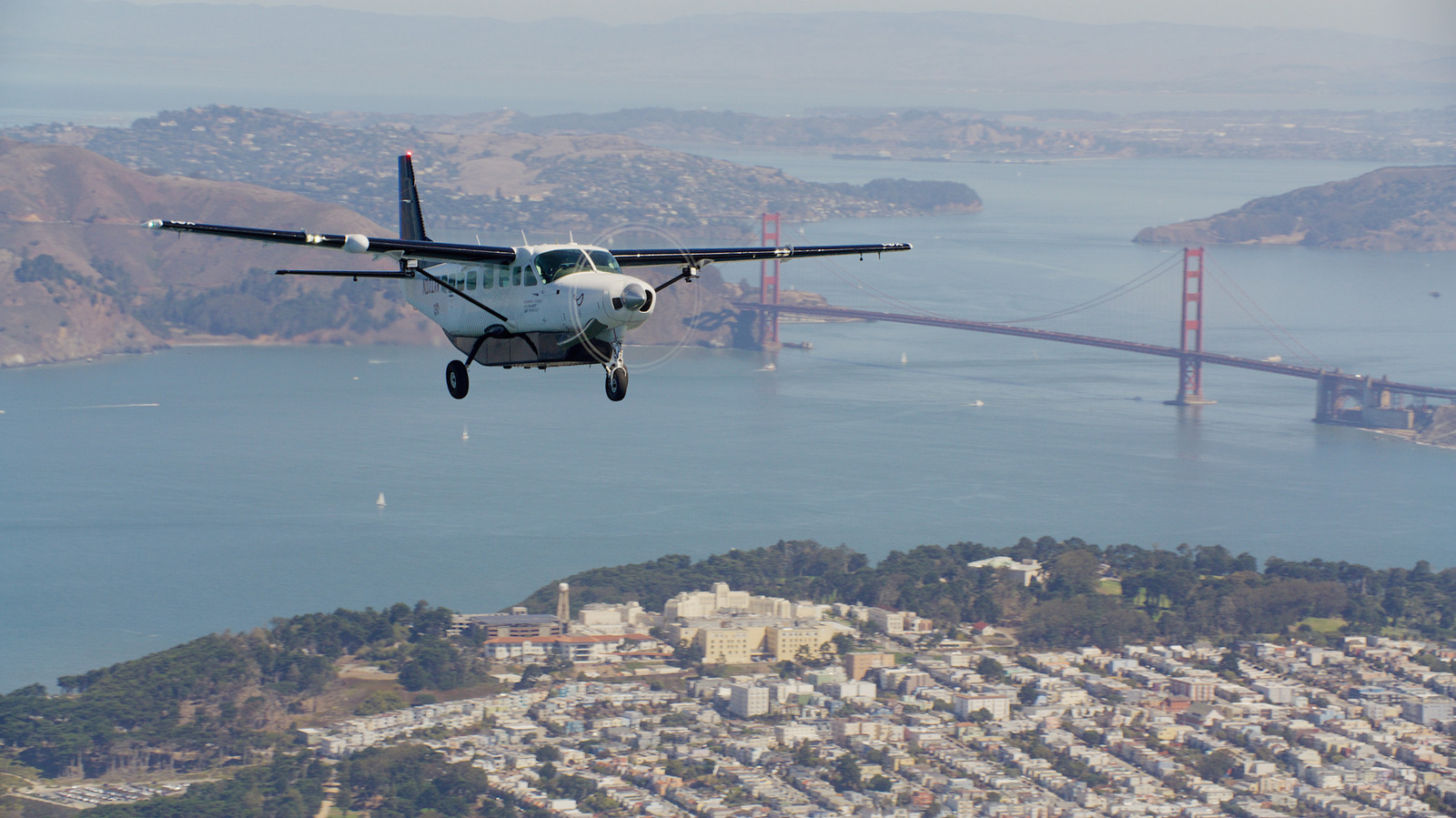
Joby Aviation announced that its electric vertical‑takeoff‑and‑landing aircraft completed a fully autonomous journey from California to North Carolina, a first for the company and a notable benchmark for the broader eVTOL sector.
The aircraft conducted the cross‑country trip without a human pilot on board, relying on integrated navigation, sensing and control algorithms that guided it from take‑off to landing. The flight demonstrated that the vehicle’s electric propulsion and battery systems can sustain long‑range operations while maintaining the precision required for autonomous flight.
Joby has spent several years refining its electric air‑taxi concept, primarily targeting short‑haul routes within major metropolitan areas. The company’s fleet of sleek, quiet aircraft has been tested in a variety of urban environments, where the goal is to alleviate ground traffic congestion by providing on‑demand point‑to‑point service.
By extending the range of its autonomous capabilities to a coast‑to‑coast mission, Joby signals an ambition to move beyond the city‑center niche. The successful flight suggests that the technology could eventually support intercity travel, cargo delivery, or other commercial uses that demand longer distances and fewer human operators.
Regulators, including the Federal Aviation Administration, have been closely watching autonomous flight trials. While the test showcases technical feasibility, analysts caution that formal certification, rigorous safety validation and public confidence will be essential before autonomous eVTOL services become routine.
Joby plans to build on the achievement with additional autonomous flights, further data collection, and ongoing collaboration with aviation authorities. The company’s next steps aim to refine system reliability, integrate with existing air‑traffic management frameworks, and ultimately bring a broader suite of electric aerial services to market.



Comments (0)
Be the first to comment.
Join the discussion