Deputy proposes workforce reductions to finance diesel price relief amid Middle East conflict
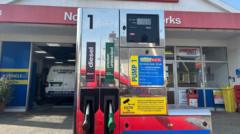
A senior government deputy has suggested that cutting public sector jobs could generate the savings needed to lower diesel prices, which have risen sharply as the war in the Middle East pushes global energy costs upward.
The deputy, speaking to the press on Thursday, argued that a temporary freeze on certain duties and a modest reduction in the public workforce would free up fiscal space. The proposed savings, according to the official, could be redirected to subsidise diesel, a fuel that remains essential for transport, logistics and many small businesses.
Since the outbreak of hostilities in the Middle East, crude oil markets have experienced heightened volatility, with benchmark prices climbing by several percent. Those increases have filtered through to retail diesel, prompting concerns among commuters and commercial operators about rising operating expenses. The deputy’s proposal reflects a broader governmental effort to mitigate the impact of external shocks on domestic consumers.
Critics of the plan warn that public sector job cuts could have social repercussions, especially in regions where government employment is a major source of stability. Labor unions have previously highlighted the risk of reduced services and heightened unemployment if reductions are not carefully targeted. The deputy acknowledged these concerns, emphasizing that any cuts would be limited, temporary, and accompanied by measures to protect the most vulnerable workers.
The suggestion arrives as the cabinet debates a range of fiscal tools to address the inflationary pressure caused by the conflict. Options on the table include temporary tax relief, direct subsidies, and strategic releases from strategic petroleum reserves. Observers note that while the deputy’s proposal is bold, its implementation would require parliamentary approval and detailed cost‑benefit analysis to ensure that the intended diesel price relief outweighs the economic cost of reduced public sector capacity.
Analysts say the proposal underscores the delicate balance governments face: shielding citizens from volatile energy prices while maintaining public sector effectiveness. As negotiations continue, the deputy’s call for a duty freeze and limited job reductions adds a new dimension to the policy conversation, highlighting the challenges of fiscal stewardship amid an unpredictable global energy landscape.


Comments (0)
Be the first to comment.
Join the discussion