Orcas Unleash Unprecedented, 'Explosive' Feeding Tactic on Sunfish in Gulf of California
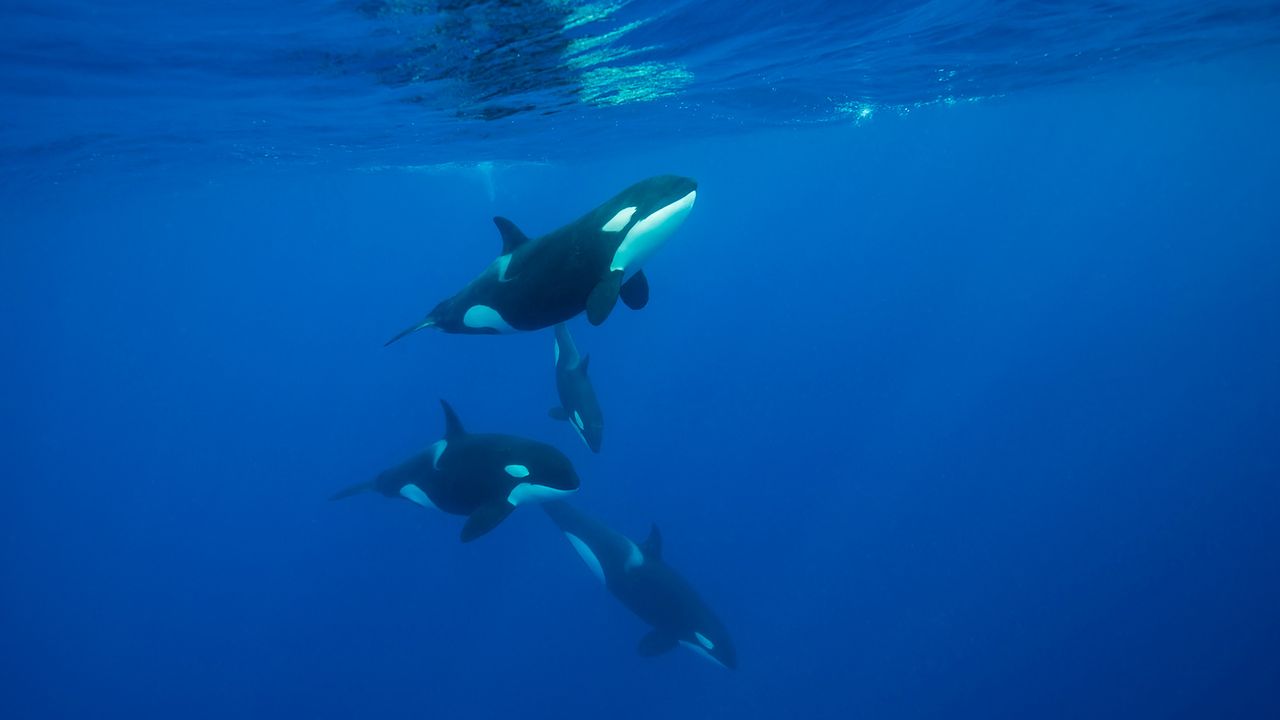
Researchers observing marine life in the Gulf of California have documented a startling and previously unseen behavior among orcas: a coordinated effort to violently dismantle sunfish, suggesting a novel method of food preparation. This aggressive interaction, described by witnesses as highly unusual, involved the powerful marine mammals repeatedly striking the large fish with such force that they disintegrated.
The remarkable observations, initially reported by LiveScience, detail how groups of orcas targeted sunfish, employing headbutts with such intensity that the unfortunate fish were literally torn apart. Scientists suspect this extreme physical processing is a deliberate technique to render the substantial, often bony sunfish into more manageable, edible portions.
This discovery has generated considerable interest within the scientific community, as it adds a new dimension to the already diverse behavioral repertoire of these highly intelligent marine predators. While orcas are renowned for their sophisticated hunting strategies and powerful physical capabilities, this specific method of dismemberment against sunfish is distinct from previously documented feeding practices.
Killer whales, or orcas, are apex predators known for their complex social structures and highly adaptable hunting methods, which vary significantly across different populations and environments. Their strategies range from cooperative herding of fish to coordinated attacks on seals and even other whales. However, the systematic and explosive dismantling of sunfish represents an evolved or newly adopted tactic that stands out.
Sunfish, also known as Mola mola, are the heaviest known bony fish in the world, characterized by their distinctive flattened bodies and often considerable size. While they are not typically considered a primary food source for many predators due to their tough, cartilaginous skin and large bones, the orcas' new method appears to circumvent these challenges by literally breaking the fish down.
The implications of this observation are significant for understanding orca adaptability and the potential for cultural transmission of new behaviors within their pods. Researchers will undoubtedly be keen to determine if this is an isolated incident, a localized innovation, or a spreading trend among orca populations, further highlighting the dynamic nature of marine ecosystems and the creatures within them.
As scientists continue to unravel the mysteries of the deep, encounters like these serve as a potent reminder of the vast, unexplored complexities of ocean life. The ongoing study of orcas in their natural habitats consistently reveals new insights into their intelligence, social dynamics, and their surprising capacity to adapt and innovate in their pursuit of sustenance.


Comments (0)
Be the first to comment.
Join the discussion