New Research Narrows Estimates of Indigenous Population at Time of Columbus’s Arrival
Scholars from several universities have announced a collaborative effort to tighten the long‑standing debate over how many Indigenous peoples inhabited the Americas when Christopher Columbus first set foot on the continent in 1492. By combining archaeological surveys, paleo‑environmental data, and refined epidemiological models, the team hopes to move beyond the wide‑ranging figures that have dominated the field for decades.
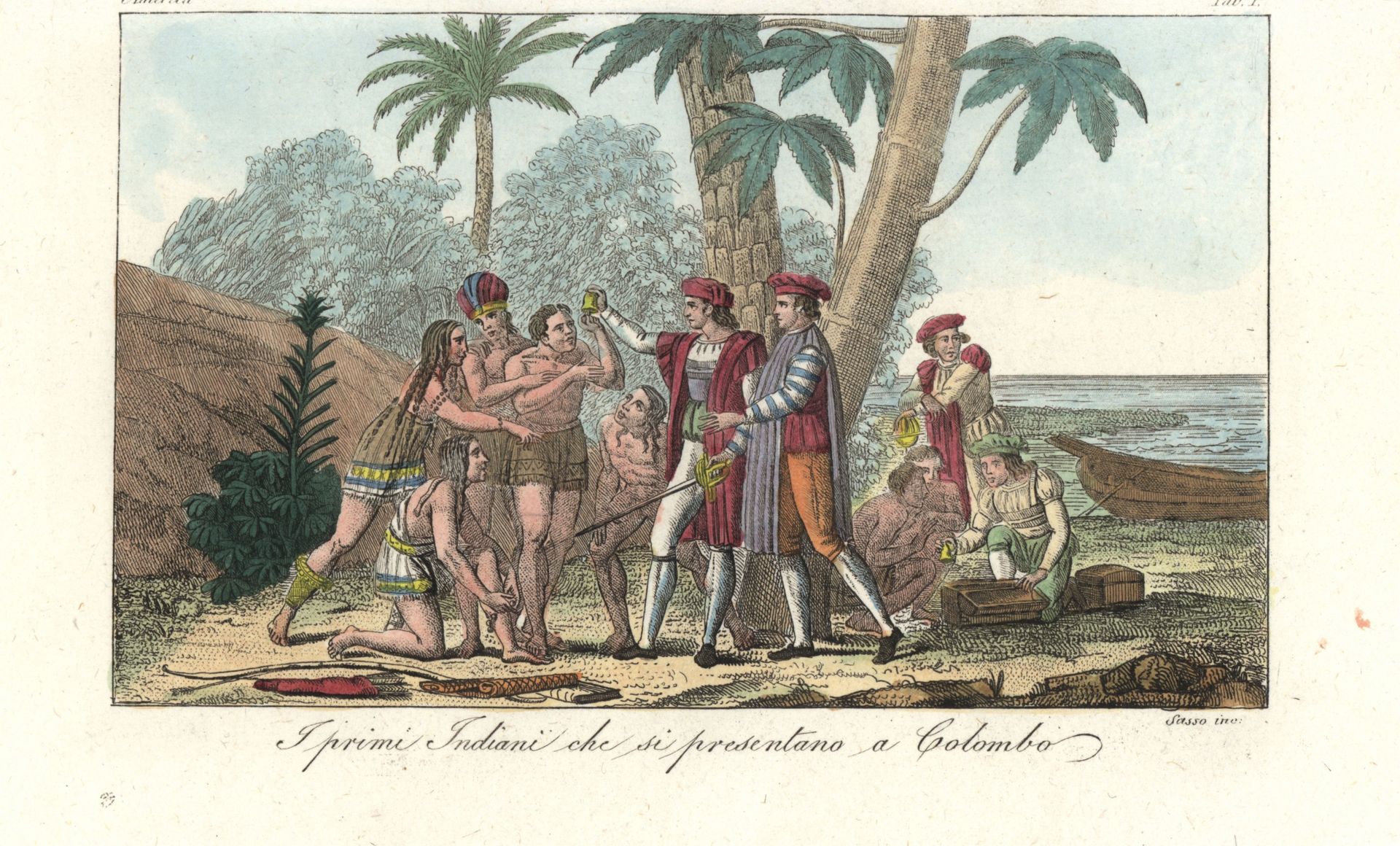
Columbus’s own journal records that he was greeted on the Bahamian island later named San Salvador by “great multitudes of men” from the Lucayan community. The natives bartered, exchanged information, and appeared in numbers that surprised the explorer. While his account provides a vivid snapshot of one island group, it offers little insight into the broader demographic landscape of the continents he would soon explore.
The size of the pre‑contact population matters because it underpins interpretations of cultural complexity, resource management, and the catastrophic impact of European diseases. Earlier scholarly estimates have spanned from a few million to over one hundred million individuals, reflecting divergent assumptions about settlement patterns, agricultural capacity, and the speed of epidemic spread. Critics have warned that such extremes can skew public understanding of Indigenous societies and the scale of loss following contact.
The new study leverages high‑resolution satellite imagery to map settlement clusters, while radiocarbon dating of charcoal layers helps establish occupation timelines. Researchers also revisit colonial records, not to extract precise headcounts, but to gauge settlement density and trade networks. By feeding these data into disease‑transmission simulations, the team can approximate how quickly smallpox, measles, and other pathogens would have moved through densely populated regions, offering indirect clues about population size.
Preliminary findings suggest that the Americas supported a substantially larger and more interconnected set of societies than the lowest historical estimates have allowed, though the exact figure remains under refinement. The investigators plan to publish detailed results later this year, with the hope that a clearer demographic picture will inform both academic discourse and public education about the continent’s pre‑colonial heritage. As the research progresses, it may also guide heritage preservation efforts by highlighting regions where ancient settlement evidence is most likely to be found.


Comments (0)
Be the first to comment.
Join the discussion