Open Printer Project Aims to Revolutionize Inkjet Market with Raspberry Pi and DRM-Free Design
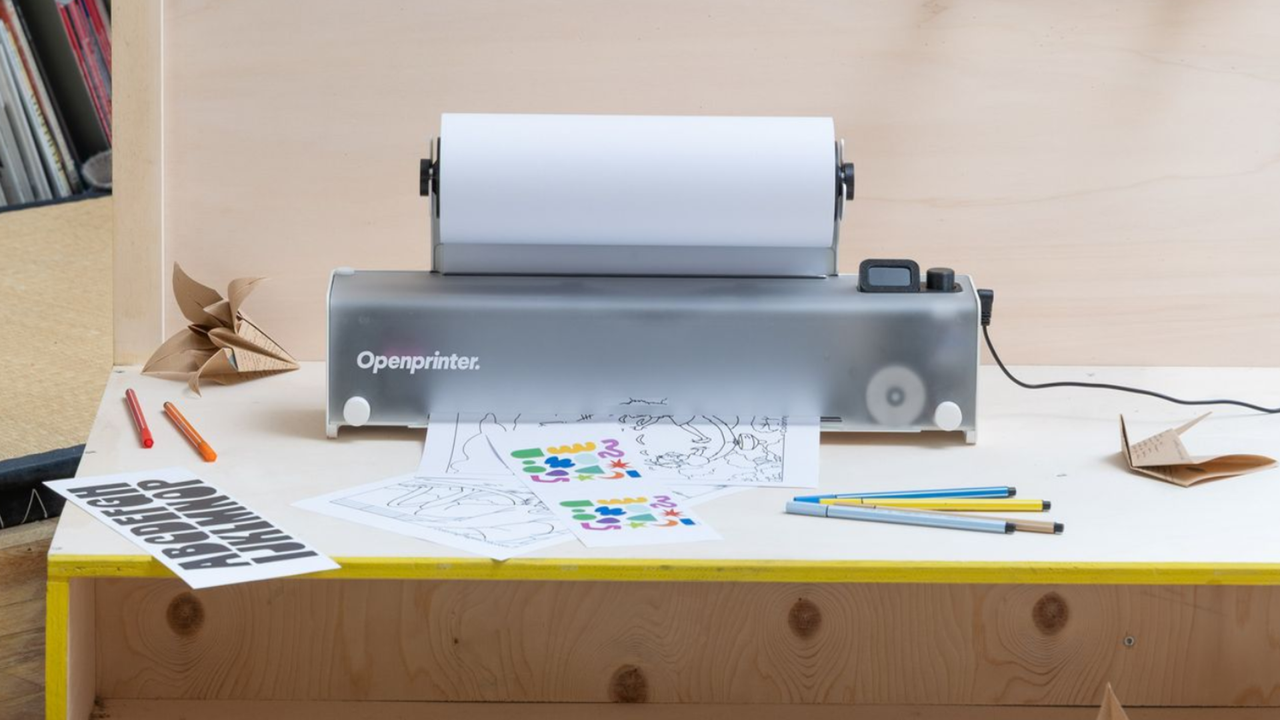
A new initiative, dubbed the 'Open Printer' project, is seeking to disrupt the often-frustrating world of home and office printing by proposing an open-source, repairable, and user-controlled inkjet device. Powered by a Raspberry Pi, this innovative concept aims to free consumers from the proprietary restrictions and digital rights management (DRM) that have long plagued traditional printer ownership.
At its core, the Open Printer advocates for complete user empowerment. Its design principles hinge on open hardware and open firmware, meaning that blueprints and software code would be freely accessible. This transparency is intended to allow owners to understand, modify, and even repair their devices without relying on manufacturer-specific parts or service agreements, a stark contrast to the closed ecosystems prevalent today.
The motivation behind the Open Printer project stems from widespread consumer dissatisfaction with existing printer models. Many users report constant issues with DRM, which can restrict the use of third-party ink cartridges, enforce firmware updates that limit functionality, or even prevent printing altogether if certain conditions aren't met. These practices often lead to higher running costs and a perception of planned obsolescence, pushing users towards costly replacements rather than repairs.
By leveraging the versatility of the Raspberry Pi, a popular single-board computer, the Open Printer project envisions a device that is not only highly customizable but also inherently more resistant to proprietary lock-ins. This choice of hardware underscores the commitment to an open platform, offering a flexible foundation for a printer that truly belongs to its owner rather than the manufacturer.
While the concept has garnered significant interest, particularly within tech communities and among advocates for open-source hardware, the Open Printer remains a project in development. The journey from a conceptual design to a mass-produced, market-ready product presents numerous challenges, including sourcing components, establishing manufacturing processes, and competing with established brands that dominate the global printer market.
Should the Open Printer ultimately 'see the light of day,' as its proponents hope, it could set a new standard for consumer electronics, emphasizing repairability, sustainability, and genuine user control. Its success could pressure the broader industry to re-evaluate its practices, potentially ushering in an era where printers are no longer a source of constant irritation but rather reliable, long-lasting tools that serve their owners' needs without hidden agendas.



Comments (0)
Be the first to comment.
Join the discussion