India Holds Off on New UPI Transaction Charge as Retailers Object During Holiday Rush
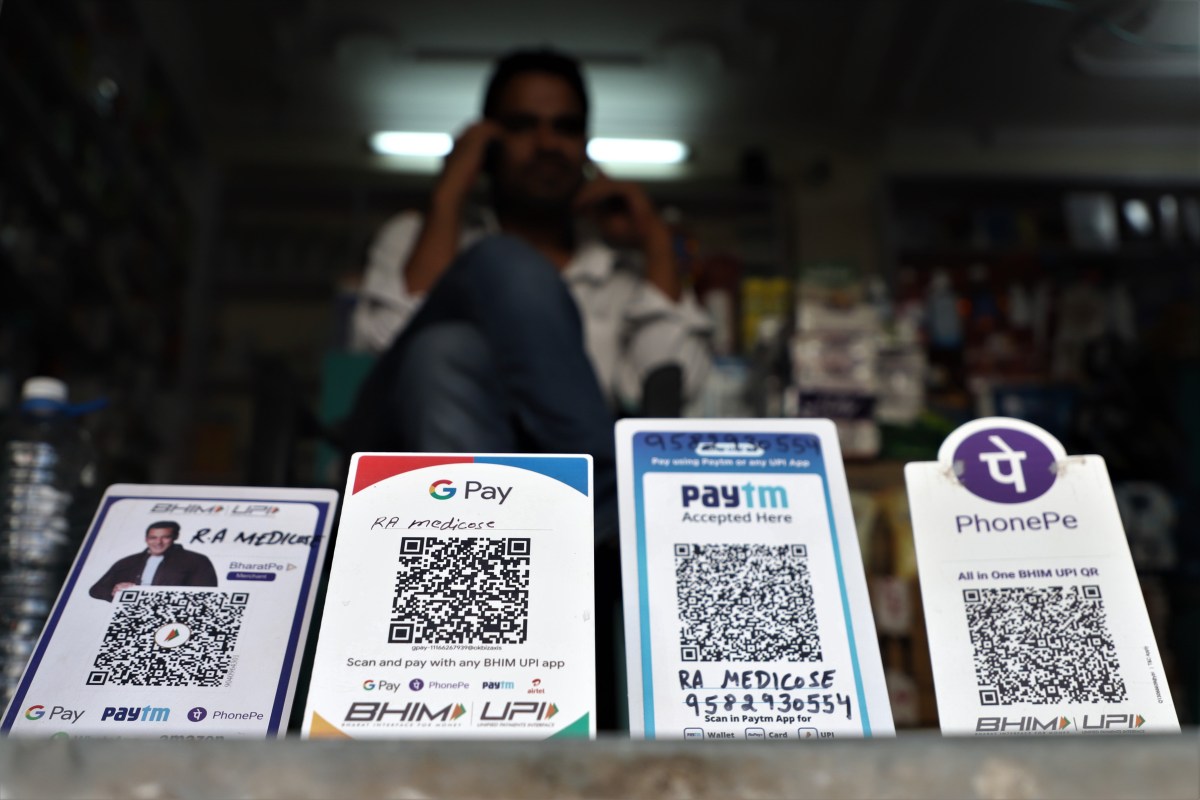
India's National Payments Corporation (NPCI), the body that runs the country's Unified Payments Interface (UPI), announced on Tuesday that it will postpone the introduction of a 0.4% transaction fee originally slated for October 15. The decision comes after a wave of objections from merchants who fear the charge could dampen sales during the peak festive shopping period.
The proposed levy, intended to offset the growing costs of maintaining the UPI infrastructure, had been scheduled to take effect just as consumers gear up for Diwali and other year‑end celebrations. Retailers, ranging from small family shops to large e‑commerce platforms, warned that even a modest fee could translate into higher prices for shoppers already navigating a crowded market.
NPCI said the delay is a "temporary measure" to give stakeholders more time to discuss the fee's structure and its impact on the ecosystem. In a brief statement, the organization emphasized its commitment to keeping digital payments affordable while ensuring the network's long‑term sustainability.
Since its launch in 2016, UPI has transformed India's payment landscape, handling billions of transactions each month and enabling instant transfers between bank accounts via mobile apps. The platform's low‑cost, open‑access model has been praised for fostering financial inclusion, especially among consumers who previously relied on cash.
However, the rapid expansion of UPI has also raised questions about funding. Critics argue that the system's zero‑fee policy places a growing burden on the banks and the NPCI, which must invest in security upgrades and capacity enhancements. Proponents of the fee contend that a small charge is necessary to maintain service quality and to fund future innovations.
Industry groups have called for a phased approach, suggesting lower rates for small merchants and a tiered structure based on transaction volume. Government officials have yet to weigh in publicly, but the timing of the postponement suggests sensitivity to the upcoming holiday sales surge, which contributes a significant share of annual retail revenue.
Analysts predict that the dialogue between NPCI and the retail sector could lead to a revised fee model that balances cost recovery with the need to keep digital payments competitive. In the meantime, consumers can expect the current fee‑free environment to remain in place through the festive season, with any changes likely to be announced after the holidays.



Comments (0)
Be the first to comment.
Join the discussion