Gabon Patrol Seizes Three Unlicensed Trawlers in Protected Waters, Highlighting Need for Satellite Surveillance
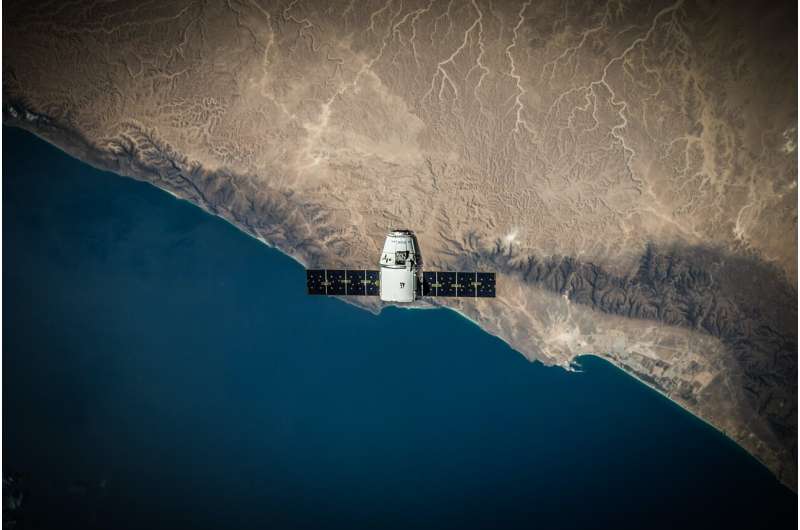
A Gabonese coast guard vessel intercepted three industrial trawlers operating inside the Grand Sud Marine Reserve in July 2026, marking a rare enforcement action in one of West and Central Africa's most extensive protected zones. The three boats were found without any valid fishing licences, violating a ban that prohibits industrial trawling throughout the reserve's waters.
The Grand Sud Reserve, spanning thousands of square kilometres along Gabon's coastline, was created to safeguard critical habitats for a range of marine species, including migratory fish stocks and sea turtles. Despite the clear legal prohibition, recent assessments suggest that illegal, unreported, and unregulated (IUU) fishing continues to thrive across the region, driven by high market demand for seafood and limited on‑the‑ground monitoring capacity.
Authorities say the seizure underscores the difficulty of policing such a vast area with traditional patrol craft alone. While the intercepted vessels were apprehended, many more are believed to operate undetected, exploiting gaps in surveillance and the lack of real‑time vessel tracking. The incident has reignited calls for advanced monitoring tools, particularly satellite‑based systems that can flag suspicious activity across remote ocean stretches.
International NGOs and regional fisheries bodies have been advocating for the deployment of a new satellite monitoring platform that integrates automatic identification system (AIS) data with high‑resolution imagery to pinpoint illegal trawling in near real time. Proponents argue that such technology could dramatically improve response times, enable targeted patrols, and provide transparent evidence for prosecuting offenders. Critics, however, caution that satellite data must be coupled with robust legal frameworks and sufficient enforcement resources to be effective.
As Gabon’s maritime authorities evaluate the potential of satellite surveillance, the July incident serves as a tangible example of both the challenges and opportunities confronting West and Central African nations. Strengthening detection capabilities could not only protect the biodiversity of reserves like Grand Sud but also support sustainable fisheries that are vital to local economies. The next steps will likely involve pilot projects, capacity‑building for coastal agencies, and regional cooperation to share data and best practices, aiming to curb the tide of illegal fishing that threatens the continent's marine ecosystems.


Comments (0)
Be the first to comment.
Join the discussion