Massive Leak of 153 Million Driver’s License Scans Highlights Flaws in Identity‑Verification Systems
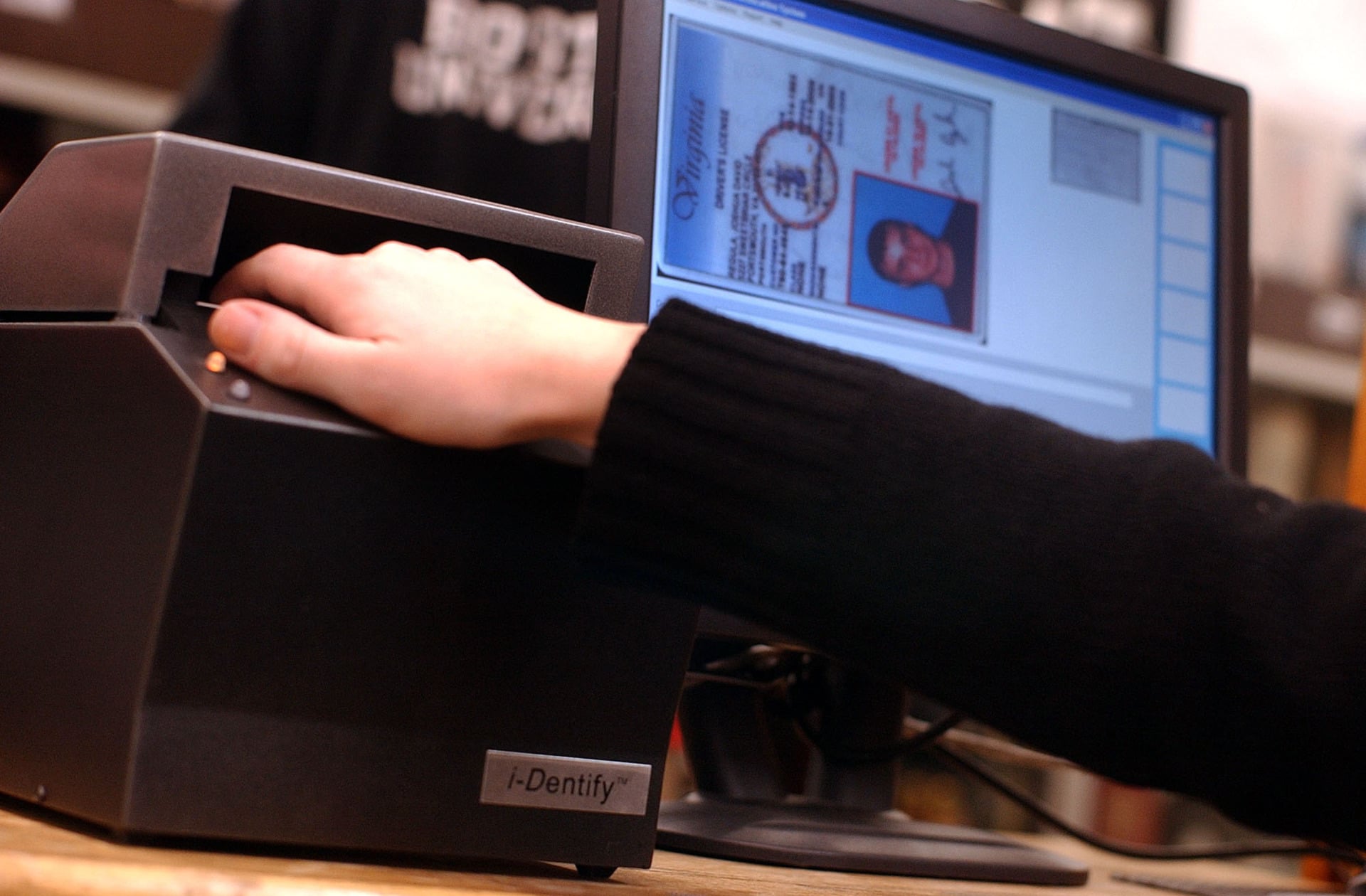
A data set containing more than 153 million scanned driver’s licenses has surfaced online, allegedly taken from a company that provides identity‑verification services to businesses. The leak, first reported by security researchers, demonstrates how the practice of collecting and storing high‑resolution images of government IDs can backfire when those repositories are compromised.
The stolen files appear to be raw scans of the front and back of U.S. driver’s licenses, each paired with minimal metadata such as the date of capture and a reference number used by the verification platform. While no personal names or addresses were released alongside the images, the visual information alone is sufficient for fraudsters to recreate realistic identity documents or to feed automated synthetic‑identity generators.
Identity‑verification firms often act as “honey pots,” gathering copies of official documents to confirm a consumer’s credentials for banks, retailers, and other regulated entities. This model is intended to reduce the burden on government databases, but it also creates centralized caches of the very documents that are meant to be secure. When those caches are breached, the impact ripples across every organization that relied on the compromised data.
Experts warn that the availability of such a large volume of authentic license images could accelerate a rise in identity‑theft schemes. Criminals can blend the scans with fabricated personal details to open credit accounts, obtain loans, or bypass biometric checks that rely on document images. The scale of the breach also raises concerns about the effectiveness of existing data‑protection standards, such as PCI DSS and ISO 27001, when applied to document‑verification workflows.
In response, the affected verification company has issued a brief statement acknowledging the incident and pledging to cooperate with law‑enforcement agencies. Regulators, including the Federal Trade Commission, have signaled an intent to examine whether current oversight adequately addresses the storage of sensitive government IDs. Industry groups are calling for tighter encryption requirements, limited retention periods, and greater transparency about how scanned documents are safeguarded.
The leak underscores a broader debate about the future of identity proofing. As biometric and token‑based methods gain traction, reliance on static document images may diminish, but the transition will require significant investment and consumer education. Until alternative solutions become widespread, organizations that depend on scanned IDs must reassess their security architectures to prevent similar breaches from endangering millions of individuals.


Comments (0)
Be the first to comment.
Join the discussion