Environmental Warning: Surrey Pond's 17-Year Low Prompts Call for Extreme Weather Readiness
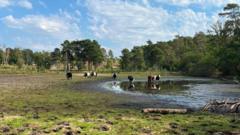
A senior figure from the Surrey Wildlife Trust has issued a stark warning regarding the escalating impact of extreme weather patterns, following a notable environmental observation. James Herd, who works with the trust, recently commented that he had not witnessed a particular pond at such significantly reduced levels in the seventeen years he has been monitoring it.
This unprecedented drop in water levels, spanning nearly two decades, serves as a tangible indicator of broader environmental shifts. The prolonged dry conditions or insufficient rainfall contributing to such a decline can have profound implications for local biodiversity and the overall health of wetland ecosystems, which are crucial habitats for numerous species.
Herd's observation is coupled with a broader call to action, emphasizing the critical need for individuals and communities alike to prepare for more frequent and intense extreme weather events. These can manifest in various forms, including extended droughts, severe heatwaves, or unusually heavy rainfall, each posing unique challenges to natural environments and human infrastructure.
Such fluctuations in water availability directly threaten wildlife that relies on these habitats for survival, impacting everything from aquatic insects and amphibians to birds and mammals that use the pond as a water source. A consistently low water table can also alter vegetation patterns, potentially leading to a loss of specialized plant life and a ripple effect throughout the local food web.
Organizations like the Surrey Wildlife Trust play a vital role in monitoring these environmental changes and advocating for proactive conservation strategies. Their work involves not only observing specific indicators like pond levels but also educating the public on sustainable practices and the importance of preserving natural resources in the face of a changing climate.
Preparing for extreme weather, as Herd suggests, encompasses a range of measures. This could involve promoting water conservation efforts, developing more resilient landscapes capable of managing both drought and flood conditions, and fostering community awareness about climate adaptation strategies to mitigate future impacts.
The specific observation in Surrey, originally reported by BBC Science, underscores a widespread concern among environmental scientists and conservationists. It highlights the immediate and visible consequences of long-term climatic trends, serving as a compelling reminder that adaptation and readiness are no longer options but necessities in safeguarding our natural world.


Comments (0)
Be the first to comment.
Join the discussion