Hyundai Chief Calls for Fair Competition to Shield U.S. Auto Market from Chinese EV Surge

Hyundai Motor Group chief executive Lee Won-hee told reporters that the only way to curb the impact of rapidly advancing Chinese electric‑vehicle makers is to ensure a "level playing field" for all manufacturers operating in the United States.
Lee’s comments come amid a wave of warnings from several global automakers who argue that the influx of low‑priced, high‑tech Chinese EVs could erode profit margins and threaten the viability of established brands. The industry has been grappling with a steep decline in sales, tighter emissions standards and the accelerating shift toward battery‑powered models, and many executives see China’s aggressive pricing as the latest stress test.
China’s EV sector has benefited from substantial state subsidies, a sprawling domestic supply chain and a regulatory environment that accelerates vehicle certification. The result is a flood of competitively priced models that can undercut U.S. rivals on price while offering comparable range and technology features. Analysts estimate that Chinese EVs could capture a double‑digit share of the U.S. market within the next five years if current trends continue.
Lee stopped short of calling for outright protectionism, instead urging U.S. policymakers to address what he described as “asymmetric advantages” that give Chinese manufacturers an unfair edge. He cited issues such as differing safety and emissions testing protocols, tax incentives that are not uniformly applied, and the lack of transparent trade rules governing battery components. By harmonizing standards and ensuring that subsidies are applied equally, Lee believes the market can remain competitive without forcing legacy automakers out of business.
Industry observers note that the debate mirrors earlier disputes over steel and solar panels, where the United States imposed tariffs to counter perceived subsidies. While some lawmakers have floated similar measures for automobiles, others argue that higher tariffs could raise vehicle prices for American consumers and disrupt supply chains. The conversation now centers on whether regulatory alignment, rather than tariffs, can level the playing field.
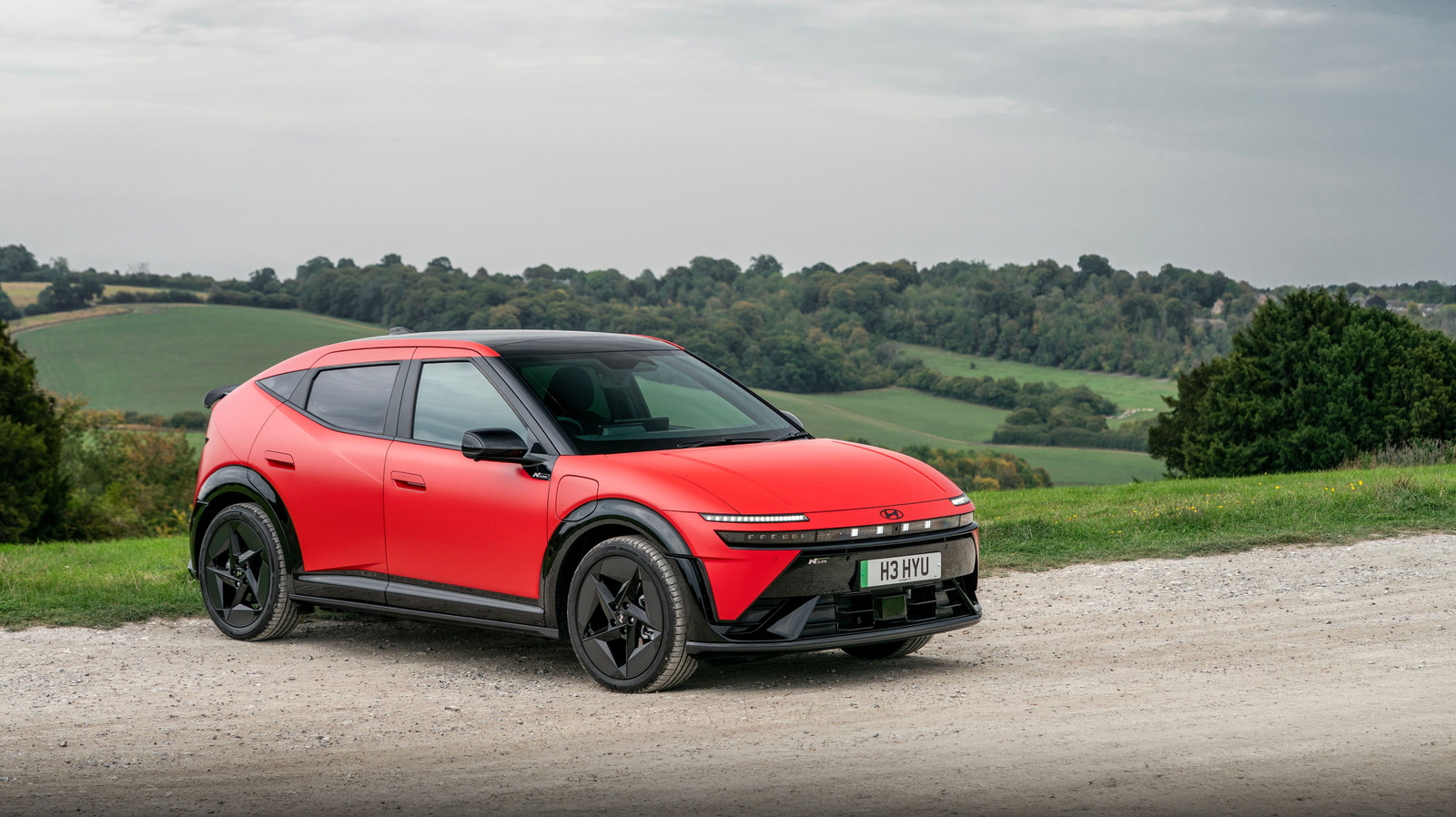
For Hyundai, the stakes are concrete. The South Korean firm has invested heavily in its own EV platform, planning to roll out multiple models in the U.S. over the next three years. A surge of cheaper alternatives could compress margins and slow the rollout schedule. Lee’s remarks therefore serve both as a market analysis and a strategic appeal to regulators to safeguard the company’s long‑term growth plans.
As the dialogue unfolds, the automotive sector watches closely for any policy shifts that could reshape the competitive landscape. Whether through revised safety standards, coordinated subsidy frameworks, or new trade agreements, the outcome will likely influence not only Hyundai’s fortunes but also the broader trajectory of electric mobility in the United States.


Comments (0)
Be the first to comment.
Join the discussion