Hunter‑Gatherer’s Life Reveals Early Farmers and a Path to Coexistence
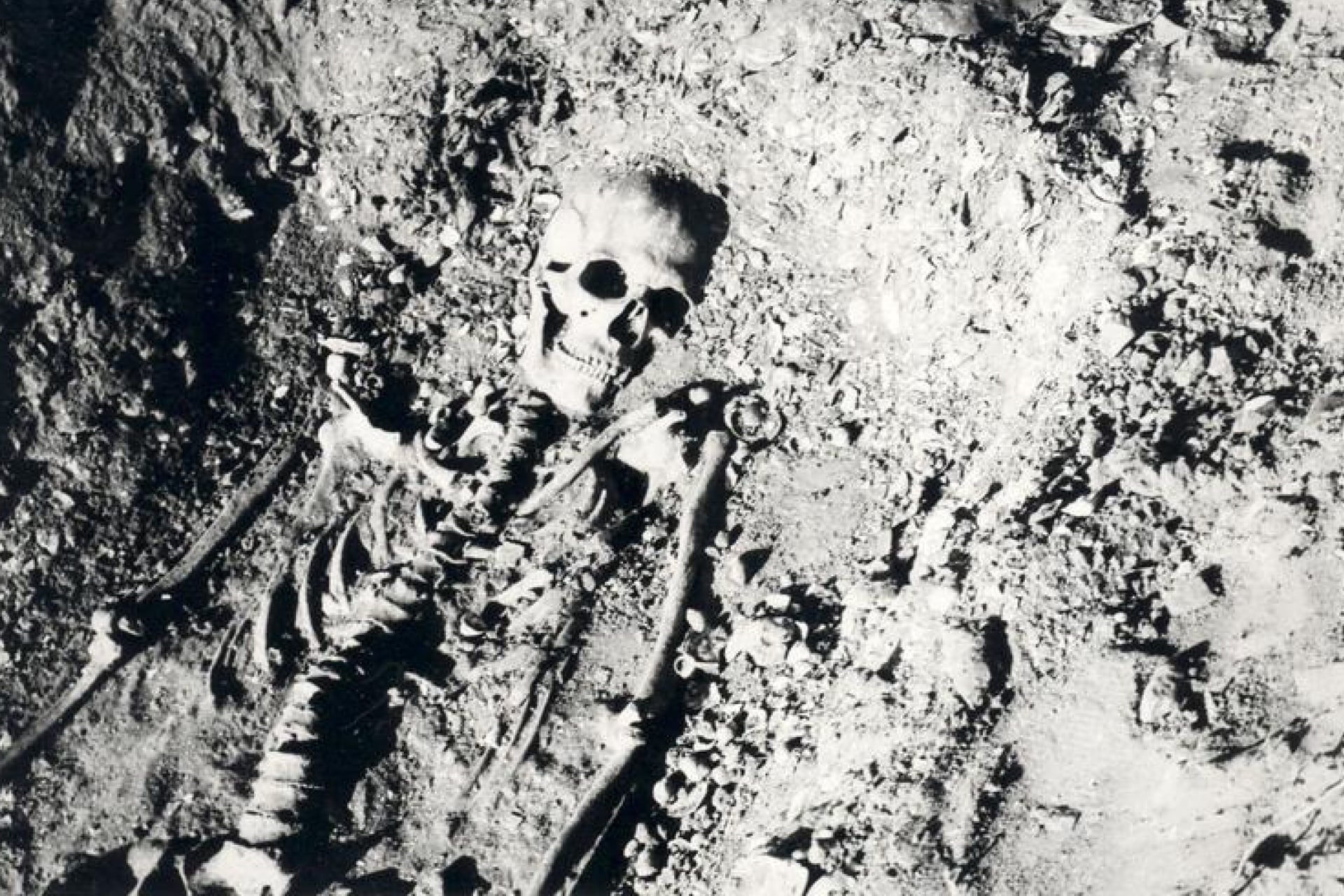
Archaeologists have uncovered a rare snapshot of the world’s first agricultural revolution by tracing the life of a single hunter‑gatherer who lived alongside the earliest farmers. The individual’s skeletal remains, recovered from a burial site that contains both foraging and farming communities, show a pattern of diet and mobility that suggests sustained interaction rather than abrupt replacement.
Isotopic analysis of the bones indicates a mixed diet that combined wild game with cultivated grains, pointing to a pragmatic adaptation as farming spread across the landscape. Dental wear patterns also reveal the consumption of both raw plant foods and processed cereals, underscoring a gradual integration of new food sources into a traditional forager’s repertoire.
Researchers interpret these findings as evidence that the transition from hunting and gathering to agriculture was not a single, violent upheaval but a nuanced process of coexistence. Rather than a wholesale displacement of mobile groups, the data suggest that some foragers chose to remain in their territories, trading with neighboring farmers and incorporating cultivated crops into their subsistence strategies.
The discovery aligns with a growing body of scholarship that emphasizes regional variability in the spread of agriculture. In some areas, foragers adopted farming techniques quickly; in others, they maintained distinct lifestyles while engaging in reciprocal exchange. This particular case adds weight to the latter scenario, illustrating how cultural and economic flexibility helped both groups survive during a period of profound environmental and social change.
While the exact location of the burial has not been disclosed, the study’s broader implication is clear: the agricultural revolution unfolded through a mosaic of interactions, negotiations, and adaptations. Understanding this complexity reshapes long‑standing narratives that portray farming as an inevitable, monolithic force, and it highlights the agency of hunter‑gatherers who navigated the new economic landscape on their own terms.
Future research aims to locate additional mixed‑culture sites and to apply DNA sequencing to clarify genetic relationships between early farmers and their foraging neighbours. Such work could further illuminate how cooperation, competition, and cultural exchange shaped human history during one of its most transformative epochs.



Comments (0)
Be the first to comment.
Join the discussion